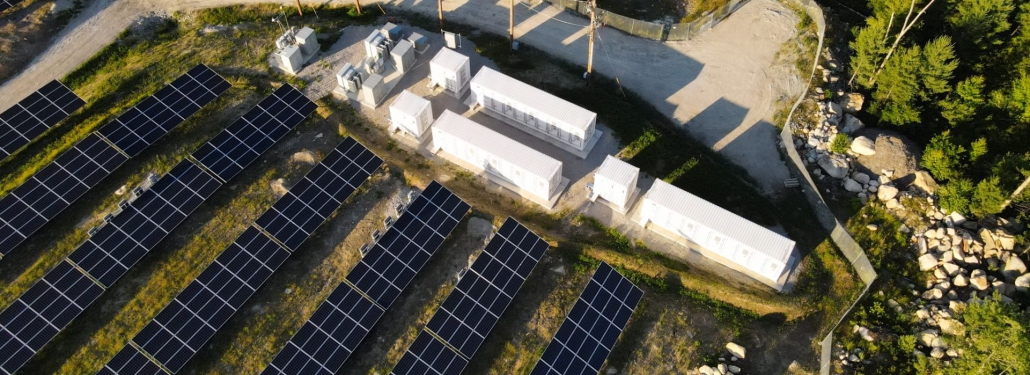
Solar BESS Systems: Integrating Solar Power and Battery Energy Storage for Smarter, More Resilient Grids
As the global transition toward renewable energy accelerates, solar-plus-storage—often referred to as the solar BESS system—has become a cornerstone of modern energy infrastructure. By combining photovoltaic (PV) generation with battery energy storage systems (BESS), utilities, commercial facilities, and microgrids can unlock new levels of energy efficiency, stability, and cost control.
This article explores how solar BESS systems work, their technical structure, and why they represent the next frontier in decentralized, intelligent power management.
- What Is a Solar BESS System?
A solar BESS system integrates solar panels with a battery energy storage unit to capture excess solar power generated during the day and discharge it when sunlight is unavailable or electricity demand peaks.
Unlike conventional PV-only installations, a solar BESS operates as both a generation and dispatchable energy asset. The system can:
- Store excess energy to avoid curtailment;
- Supply stable power during grid instability or blackouts;
- Enable demand-side management and load shifting for cost optimization;
- Provide ancillary services such as frequency regulation or peak shaving.
In essence, it turns variable solar energy into a controllable, dispatchable resource, bridging the gap between renewable intermittency and grid reliability.
- Core Components of a Solar BESS System
A typical solar BESS setup consists of four main elements:
- Solar PV Array – Converts sunlight into DC electricity.
- Inverter System – Manages the conversion between DC and AC power, enabling bidirectional flow.
- Battery Pack – Usually composed of high-efficiency lithium-ion modules, which store energy for later use.
- Energy Management System (EMS) – The intelligence layer that optimizes charging, discharging, and grid interaction.
Modern BESS configurations, such as those available at Leoch Lithium’s energy storage solutions, integrate advanced battery management systems (BMS) and thermal management units to ensure safe, efficient operation across wide temperature ranges and demanding duty cycles.
- Why Solar BESS Systems Matter
The rise of solar BESS solutions is not just a technical evolution—it’s an economic and environmental imperative.
- Grid Independence: Facilities gain resilience by reducing reliance on centralized power networks.
- Peak Shaving & Cost Reduction: Stored solar energy offsets expensive peak-hour tariffs.
- Carbon Reduction: Clean power utilization and improved energy conversion efficiency contribute to lower lifecycle emissions.
- Renewable Integration: Solar BESS enables smoother renewable penetration into grids without destabilizing frequency or voltage.
In large-scale applications, the system can even participate in energy arbitrage, buying power when prices are low and selling when demand spikes.
- Deployment Considerations: From Rooftop to Utility Scale
The design and configuration of a solar BESS system vary by scale:
- Residential & Commercial Use
Small- to mid-sized setups prioritize energy self-consumption, backup power, and tariff optimization. Integration with smart home systems or EV charging stations further enhances ROI.
- Industrial & Microgrid Applications
Industrial users leverage solar BESS systems for load balancing, power quality improvement, and emergency backup—especially in facilities where downtime is costly.
For deeper insights into industrial applications, see
👉 How Industrial Battery Energy Storage Solutions Enable Peak Shaving, Backup Power, and Grid Services.
- Utility-Scale Installations
Large solar farms paired with grid-scale BESS play a critical role in grid modernization. They support frequency regulation, renewable integration, and black-start capabilities.
For further reading, check out
👉 Grid Energy Storage Systems: Architecture, Deployment Strategies, and How Developers Are Building the Future.
- Technical Integration: How Solar and BESS Operate Together
Solar and battery systems are interconnected via DC coupling or AC coupling architectures:
- DC-Coupled Systems: Both PV and battery share a common inverter, maximizing round-trip efficiency and reducing conversion losses.
- AC-Coupled Systems: The PV and battery operate on separate inverters, providing more flexibility for retrofits or hybrid configurations.
Each topology serves distinct use cases—DC coupling for new, integrated designs, and AC coupling for adding storage to existing solar systems.
- Intelligent Management and Grid Services
A growing trend in solar BESS design is the integration of AI-driven energy management systems. These solutions analyze weather forecasts, real-time electricity pricing, and user behavior to dynamically optimize energy flows.
Advanced EMS platforms allow:
- Predictive charge/discharge scheduling
- Demand response participation
- Data-driven asset performance monitoring
This level of intelligence transforms a solar BESS from a passive storage device into an active grid participant.
- Future Outlook: Solar BESS in the U.S. Market
The U.S. market for solar BESS is projected to grow rapidly through 2030, fueled by:
- Federal and state incentives such as the Investment Tax Credit (ITC);
- Corporate net-zero commitments driving commercial solar adoption;
- Rapid declines in lithium-ion battery costs.
Utility operators increasingly view solar BESS as the foundation of distributed energy resource (DER) ecosystems—linking solar power, EV charging, and demand-side flexibility into a unified energy network.
- Conclusion
A well-designed solar BESS system transforms solar energy from a time-limited source into a flexible, controllable asset that strengthens grid stability, reduces costs, and supports sustainability goals.
Whether for homes, factories, or grid operators, combining solar generation with advanced battery storage—like those from Leoch Lithium’s BESS portfolio—represents a strategic investment in energy resilience and efficiency.
Related Reading: