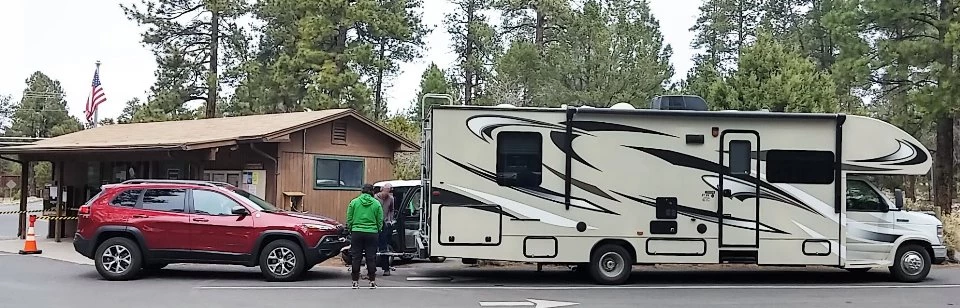
Lithium RV Battery: The Essential Guide for Powering Your Adventures
Whether you’re planning weekend camping trips or living full-time off-grid, your RV’s battery bank determines how comfortably you can travel. Modern RVs power everything from refrigerators and lighting to induction cooktops, rooftop air conditioners, Starlink terminals, and CPAP machines. Those increasing electrical demands are one of the biggest reasons RV owners are replacing traditional lead-acid batteries with Lithium Iron Phosphate (LiFePO₄) systems.
Compared with flooded or AGM batteries, LiFePO₄ batteries deliver significantly longer service life, faster charging, higher usable capacity, and stable voltage throughout the discharge cycle. As of 2026, they have become the preferred chemistry for most premium RV electrical systems.
Quick Answer: What Is the Best RV House Battery?
The best lithium batteries for RVs use Lithium Iron Phosphate (LiFePO₄) chemistry because it combines outstanding thermal stability, up to 100% usable depth of discharge, and 5,000+ charge cycles. A quality RV lithium battery should also include an advanced Battery Management System (BMS) with low-temperature charging protection, intelligent cell balancing, and sufficient continuous discharge capability to support high-demand appliances such as microwave ovens, rooftop air conditioners, and inverter systems.
| Feature | LiFePO₄ RV Battery | Traditional Lead-Acid / AGM |
| Usable Capacity | Up to 100% DoD | Typically 50% DoD |
| Cycle Life | 5,000+ cycles | 300–800 cycles |
| Charging Speed | Fast | Slow |
| Maintenance | None | Regular inspection and maintenance |
| Voltage Stability | Excellent | Voltage gradually drops |
| Weight | Approximately 60% lighter | Much heavier |
| Typical Service Life | 10–15 years | 3–5 years |
For most RV owners, the higher upfront investment is offset by substantially lower lifetime operating costs, reduced maintenance, and greater energy independence.
Why LiFePO₄ Has Become the Standard for RV Power
Battery chemistry affects far more than capacity. It influences charging efficiency, usable energy, safety, lifespan, and overall system performance.
Lead-acid batteries suffer from voltage sag as they discharge. As battery voltage falls, appliances receive less stable power, and inverters may shut down earlier than expected—even when usable capacity remains.
LiFePO₄ batteries behave differently.
Their discharge curve remains remarkably flat, meaning voltage stays stable until the battery is nearly depleted. This allows inverters to operate efficiently while providing consistent power for sensitive electronics throughout the entire discharge cycle.
The chemistry also offers outstanding thermal stability compared with other lithium chemistries, making it especially suitable for enclosed RV battery compartments.
LiFePO₄ vs. Traditional RV Batteries: Technical Comparison
The following engineering comparison highlights why lithium has become the preferred solution for modern RV electrical systems.
| Performance Metric | LiFePO₄ Battery | Flooded Lead-Acid / AGM |
| Usable Capacity | 100% of rated capacity | Approximately 50% |
| Cycle Life | 5,000+ cycles | Around 300–800 cycles |
| Voltage Sag | Minimal | Significant under heavy loads |
| Weight (100Ah Battery) | Approximately 25–35 lbs (11–16 kg) | Approximately 60–70 lbs (27–32 kg) |
| Maintenance | Maintenance-free | Watering and terminal cleaning required |
| Charge Acceptance | Excellent | Moderate |
| Self-Discharge | Very low | Higher during storage |
The difference becomes particularly noticeable during extended off-grid camping, where every amp-hour matters.
Three Critical Engineering Specifications to Evaluate
Choosing the best RV battery involves much more than comparing amp-hour ratings.
1. Continuous vs. Peak Discharge Current
Many RV appliances require short bursts of extremely high current.
For example:
- Rooftop air conditioners
- Microwave ovens
- Coffee makers
- Electric kettles
- Induction cooktops
A battery’s continuous discharge rating determines how much baseline power it can supply over long periods. However, its peak discharge rating dictates whether it can handle the massive inrush current—known as Locked Rotor Amps (LRA)—required to start heavy inductive motor loads like air conditioning compressors.
A standard 100A BMS is sufficient for many travel trailers running basic 12V loads. However, larger fifth wheels and motorhomes often require high-output BMS configurations (150A–200A+) to prevent the battery from shutting down when the AC compressor kicks on.
2. Low-Temperature Charging Protection
One of the most overlooked specifications is cold-weather charging.
Unlike lead-acid batteries, LiFePO₄ cells should not be charged below freezing unless equipped with protective technologies.
Quality RV batteries incorporate intelligent BMS functions that handle extreme temperatures in two ways:
- Cold-Temperature Cutoff: The BMS completely disables the charge current when internal temperatures drop below 32°F (0°C) to prevent permanent lithium plating damage, automatically resuming when safe.
- Internal Self-Heating: Premium LiFePO₄ batteries take this a step further by utilizing integrated heating pads. When connected to a charging source in freezing conditions, the BMS routes the incoming power to the heating pads first, warming the core to a safe temperature before seamlessly allowing the battery to charge.
For travelers who camp during winter or visit mountain regions, low-temperature charging protection is an essential feature—not an optional upgrade.
3. Series and Parallel Expansion
Power requirements often increase over time.
Many RV owners begin with a single battery before expanding their systems with:
- Additional solar panels
- Larger inverters
- Air conditioning
- Residential refrigerators
- Starlink internet
- Electric cooking appliances
Modern lithium systems are designed for scalable installations.
Depending on the manufacturer’s specifications, batteries may support multiple units connected in series, parallel, or both, allowing owners to increase capacity without replacing their original investment.
Always follow the manufacturer’s recommended expansion limits to maintain balanced charging and proper BMS communication.
The Drop-In Replacement Myth
Many advertisements describe lithium batteries as “drop-in replacements.”
Mechanically, this is often true.
Electrically, a complete upgrade usually involves several additional components.
DC-DC Charger
A DC-DC charger regulates charging from the vehicle alternator.
Without it, high-capacity lithium batteries may draw excessive current, potentially overheating or shortening alternator life.
For most modern RV lithium conversions, a DC-DC charger is considered a best practice.
Solar Charge Controller
If your RV includes rooftop solar panels, verify that the MPPT or PWM charge controller supports a dedicated LiFePO₄ charging profile.
Proper charging voltages maximize battery lifespan and improve charging efficiency.
Pure Sine Wave Inverter
Sensitive electronics—including laptops, televisions, medical equipment, and induction appliances—operate best on a pure sine wave inverter.
Matching inverter size with battery discharge capability ensures reliable system performance without unnecessary BMS shutdowns.
Recommended Product: LEOCH 12V LiFePO₄ Deep Cycle RV Battery
For RV owners seeking dependable off-grid performance, the LEOCH 12V LiFePO₄ Deep Cycle RV Battery is engineered specifically for demanding mobile energy applications.
Key engineering features include:
- Advanced LiFePO₄ cell chemistry for exceptional thermal stability
- High usable capacity with deep-cycle capability
- Integrated smart BMS providing:
- Overcharge protection
- Over-discharge protection
- Over-current protection
- Short-circuit protection
- High and low temperature protection
- Automatic cell balancing
- Lightweight construction that significantly reduces vehicle weight
- Maintenance-free operation
- Excellent vibration resistance for continuous mobile use
- Long service life with thousands of charge cycles
- Compatible with solar charging systems and RV inverter applications
Available capacities may include multiple amp-hour options (such as 100Ah, 200Ah, and higher configurations, depending on the product series), allowing owners to size the battery bank according to their energy requirements.
Choosing the Right Battery Size
Battery capacity should be determined by daily energy consumption rather than simply purchasing the largest battery available.
Typical examples include:
| RV Usage | Recommended Battery Capacity |
| Weekend camping | 100Ah |
| Solar-equipped travel trailer | 200Ah |
| Full-time RV living | 300–400Ah |
| Large Class A motorhome with air conditioning | 400Ah+ |
| Mobile clinics, commercial fleets, & heavy overland builds | 600Ah–800Ah+ |
If your RV regularly powers high-demand appliances overnight, increasing battery capacity generally provides more benefit than installing additional solar panels alone.
Extension suggestion: For a broader overview of RV house batteries and how they power your adventures, see The Complete Guide to RV House Batteries: Upgrading to Lithium Monoblocks
Frequently Asked Questions
Are lithium batteries worth the extra cost for RVs?
For most RV owners, yes.
Although the purchase price is higher, LiFePO₄ batteries typically last three to five times longer than lead-acid batteries while providing more usable energy, faster charging, and virtually no maintenance.
Can I replace my AGM battery with LiFePO₄?
In many cases, yes.
However, the charging system should be evaluated to ensure compatibility. Components such as the converter, solar charge controller, alternator charging circuit, and inverter may require updates for optimal performance.
Can LiFePO₄ batteries power RV air conditioners?
Yes, provided the battery bank and inverter are correctly sized.
Running rooftop air conditioners requires sufficient continuous discharge capability, adequate surge current, and enough total battery capacity to support the desired runtime.
How long do lithium RV batteries last?
Most premium LiFePO₄ batteries deliver 10 to 15 years of service under normal operating conditions and are rated for 5,000 or more charge cycles before capacity declines to approximately 70–80% of the original rating.
Final Thoughts
The best lithium batteries for RVs deliver much more than longer runtime. They improve charging efficiency, reduce vehicle weight, simplify maintenance, and provide the stable power modern RV electrical systems demand.
When evaluating a lithium RV battery upgrade, look beyond amp-hour capacity. Battery chemistry, BMS capabilities, cold-weather charging protection, discharge performance, and system compatibility all play critical roles in long-term reliability.
Whether you’re building a compact camper electrical system or designing a high-capacity off-grid power solution, investing in a high-quality LiFePO₄ battery creates a more dependable, efficient, and future-ready RV energy system.