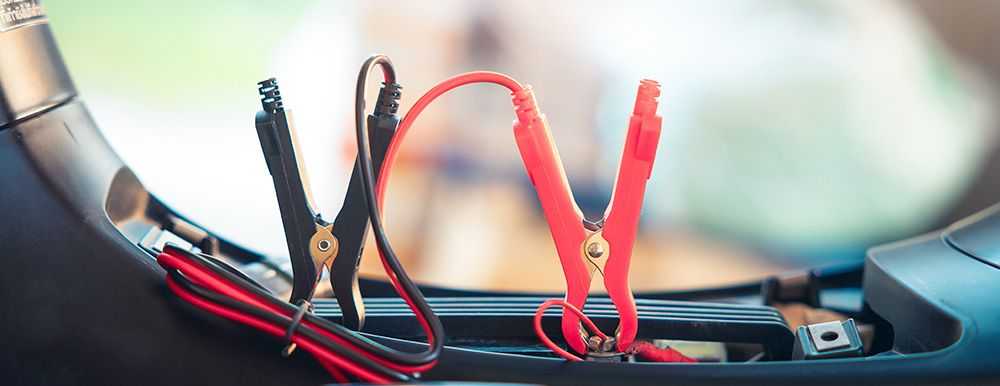
How Do I Charge a Motorcycle Battery? A Complete Guide for New & Experienced Riders
For many riders, a motorcycle battery only becomes a concern when the bike refuses to start. Whether you are dealing with a low-voltage battery after winter storage or simply want to extend battery life, understanding how to charge a motorcycle battery properly is essential for safe and reliable riding.
This guide explains each step in detail, compares charging procedures between lead-acid and lithium batteries, and clarifies when charging is no longer enough and replacement is the better option.
- What You Need Before Charging a Motorcycle Battery
Charging a motorcycle battery safely begins with having the right tools. No matter which battery you use—flooded lead-acid, AGM, Gel, or lithium—the basic equipment is similar.
Required Items
- A compatible motorcycle battery charger
- A digital multimeter
- Protective gloves and eyewear
- A clean, ventilated workspace
- Access to your motorcycle’s battery compartment
Check Your Battery Type First
Different batteries charge differently. Before you begin, verify which type you have:
- Flooded lead-acid (conventional)
- AGM (Absorbed Glass Mat)
- Gel
- Lithium (LiFePO₄)
This matters because charging voltage, charging speed, and safety considerations differ across chemistries.
- Step-by-Step: How to Charge a Motorcycle Battery
Below is the safest and most universally recommended method for charging a motorcycle battery, whether installed on the bike or removed.
Step 1: Turn off the motorcycle
Ensure the ignition is fully off and remove the key. This prevents electrical interference during charging.
Step 2: Access the battery compartment
Depending on your model, you may need to remove a seat, side cover, or small panel.
Step 3: Inspect the battery
Check for:
- Cracked casing
- Corrosion on terminals
- Swollen sides
- Acid leakage (lead-acid only)
A physically damaged battery should not be charged.
Step 4: Disconnect the battery (optional but safer)
Remove cables in this order:
- Negative (black)
- Positive (red)
This prevents accidental short circuits.
Step 5: Connect the battery charger
Match polarity:
- Red → Positive
- Black → Negative
Use a smart charger specifically designed for motorcycles.
Step 6: Select the correct charging mode
- 12V motorcycle battery → choose “Motorcycle” or “Low Output”
- Lithium battery → select “Lithium/LiFePO₄ Mode”
If your charger does not have a lithium mode, do not charge a lithium battery with it.
Step 7: Let the charger complete the cycle
Smart chargers automatically switch from bulk charging → absorption → float.
Charging time ranges from:
- 6–12 hours (lead-acid)
- 1–3 hours (lithium)
Step 8: Disconnect in reverse order
- Remove black clamp
- Remove red clamp
- Reinstall on the motorcycle
Your motorcycle should now start smoothly—if the battery is still healthy.
- How Long Should You Charge a Motorcycle Battery?
Charging time depends on two factors: battery chemistry and charging current.
Lead-Acid Batteries (Flooded, AGM, Gel)
These charge more slowly and heat up more easily.
Typical charging time:
- 6–12 hours at 1–2 amps
Overcharging can cause:
- Plate sulfation
- Water loss
- Reduced service life
Lithium (LiFePO₄) Batteries
Lithium charges faster and holds voltage more consistently.
Typical charging time:
- 1–3 hours at 2–4 amps (with lithium mode)
Lithium batteries should never be charged with:
- Automotive chargers
- High-amperage chargers
- Chargers without BMS compatibility
- Charging a Motorcycle Battery Without Removing It
Many riders wonder whether they can charge the battery while installed in the motorcycle. In most cases, yes—as long as the battery is accessible and the charger clamps can reach the terminals.
You can safely charge in-bike if:
- The battery terminals are reachable
- You are using a smart charger
- The motorcycle’s ignition is off
Do NOT charge in-bike if:
- There is fuel leakage
- The motorcycle is in an enclosed, unventilated area
- The battery shows swelling or damage
- What If Your Battery Won’t Hold a Charge?
If you charge the battery correctly but your motorcycle still struggles to start, the underlying cause may be one of the following:
Possible Reasons
- The battery is nearing end-of-life
- Internal sulfation (lead-acid)
- A parasitic draw from onboard electronics
- A failing regulator rectifier
- Loose or corroded terminals
A quick diagnostic test
Measure resting voltage after charging:
- Lead-acid battery:
- 12.6–12.8V → healthy
- Below 12.2V → weak
- Lithium battery:
- 13.2–13.4V → healthy
- Below 12.8V → weak
If voltage drops significantly within 12–24 hours, the battery likely needs replacement.
- When Charging Is No Longer Enough
Sometimes, a failing battery continues to start the motorcycle but loses charge rapidly. This is common when:
- Lead plates are heavily sulfated
- AGM cells dry out
- Lithium BMS shuts down due to low voltage
- The battery has been deeply discharged repeatedly
At this point, replacing the battery is more economical than continuous recharging.
For reference, you can review a typical lithium starter option here:
👉 12V motorcycle lithium battery — https://leochlithium.us/12v-motocycle-starts-lithium-battery-2/
(Added as a technical reference, not a sales promotion.)
- Recommended Readings for Deeper Understanding
For riders comparing battery types or preparing for replacement, the following guides offer helpful next steps:
- AGM vs Lithium Motorcycle Battery — Which One Delivers the Best Ride Experience?
https://leochlithium.us/agm-vs-lithium-motorcycle-battery-which-one-delivers-the-best-ride-experience/ - Motorcycle Battery Replacement Guide: When, How, and What to Choose
https://leochlithium.us/motorcycle-battery-replacement-guide-when-how-and-what-to-choose/
- Final Thoughts
Knowing how to charge a motorcycle battery properly is a simple yet essential skill for any rider. Whether you are reviving a battery after storage, troubleshooting electrical issues, or considering an upgrade, a clear understanding of charging methods helps ensure better performance and fewer unexpected breakdowns.
Regular charging, proper storage, and monitoring battery health can extend service life significantly—regardless of whether you use AGM, flooded lead-acid, or lithium.