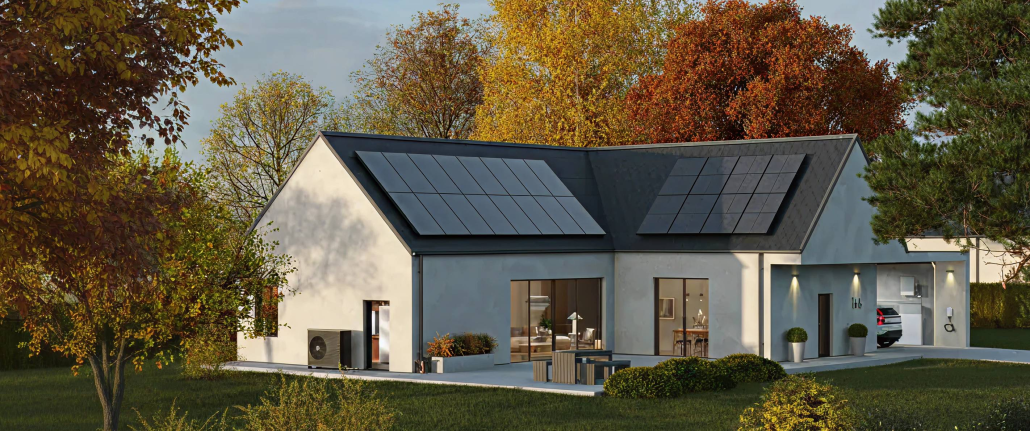
Home Energy Solutions Explained
As more households look for ways to reduce electricity costs, increase resilience, and take control of energy usage, home energy solutions are becoming increasingly popular in North America. But what exactly are these solutions, how do they work, and what should homeowners consider before making an investment? This article provides a comprehensive overview.
What Are Home Energy Solutions?
Home energy solutions refer to a set of systems and technologies designed to help households generate, store, manage, and use electricity more efficiently. These solutions often combine:
-
Generation sources: Solar panels or other renewable systems
-
Storage systems: Batteries that store energy for later use
-
Energy management systems: Tools that optimize electricity usage
-
Backup systems: Ensure continuity during power outages
Rather than acting in isolation, these components are designed to work together to improve reliability, reduce costs, and support sustainability goals. In practice, many residential systems also serve as part of a broader home backup power supply strategy, especially in regions facing grid instability or extreme weather events.
Why Home Energy Solutions Are Becoming Important
Increasing Energy Costs
Electricity rates are rising in many regions, and homeowners are seeking ways to reduce bills. Home energy solutions allow households to shift usage, store excess solar energy, and optimize consumption to lower overall costs.
Desire for Resilience and Reliability
Power outages caused by extreme weather or aging infrastructure are increasingly common. Home energy solutions can provide backup power, ensuring that essential systems like refrigeration, internet, and medical equipment remain operational.
For households that require higher reliability or longer outage coverage, these systems increasingly resemble scaled-down versions of integrated home backup power supply architectures, where storage, control, and backup planning are treated as a single system rather than separate components.
Environmental and Sustainability Goals
Many homeowners are motivated by reducing carbon footprints. Integrating solar and battery storage enables cleaner energy consumption and a reduced reliance on fossil fuels.
How Home Energy Solutions Work
Home energy solutions function through coordinated energy flows:
-
Electricity is generated on-site (e.g., solar) or drawn from the grid
-
Energy is stored in residential batteries for later use
-
Smart energy management systems determine when to use stored energy and when to draw from the grid
-
Backup systems ensure that critical loads remain powered during outages
This approach allows households to move from passive energy consumption toward more controlled, resilient energy management. In more advanced setups, this coordination mirrors the design principles used in professionally planned home backup power supply systems, where load prioritization and runtime planning are key considerations.
Recommended Reading: Dive Deeper into Residential Energy Systems
To help you explore these concepts further, here are three recommended reading articles that horizontally deepen your understanding of home energy solutions:
-
Home Energy Storage Systems: How Residential Batteries Support Modern Home Energy Solutions
Learn how residential batteries store, manage, and deliver energy to support both daily usage and backup power.
Includes a reference to residential battery products for context: Residential Storage Solutions. -
Backup Power Solutions for Homes: How Residential Energy Storage Improves Reliability and Resilience
Explore battery-based and hybrid backup options to maintain critical home systems during outages.
Includes guidance on how backup storage integrates with daily energy management and resilience planning. -
Are Home Energy Solutions Worth It? A Practical Cost, Reliability, and Value Assessment for Homeowners
Helps homeowners evaluate whether investing in home energy solutions makes sense based on cost, reliability, and lifestyle priorities.
Offers a decision-making framework to assess the value of energy systems for your specific household.
For readers specifically interested in system-level planning, sourcing logic, and scalability considerations, the Wholesale Home Backup Power Supply guide provides a deeper look at how backup power systems are structured and evaluated at a whole-home level.
Key Considerations Before Implementing Home Energy Solutions
Assess Your Energy Usage
Understanding your household’s daily and seasonal energy patterns helps determine which solutions will be most effective.
Define Backup and Reliability Needs
Identify which loads must remain powered during outages. This will influence battery size and system configuration, particularly when aligning home energy storage with backup power expectations.
Evaluate Costs and Incentives
Factor in upfront system costs, long-term energy savings, and available incentives or rebates.
Plan for Integration and Scalability
Modern home energy solutions should integrate smoothly with your current systems and allow for future expansion, especially if backup power requirements increase over time.
How Technology Choices Impact Your System
Residential Batteries
Lithium-based batteries are popular for their high efficiency, long lifespan, and compact size, making them well-suited for homes.
Energy Management Systems
Smart controllers optimize when to charge, discharge, and draw from the grid, ensuring maximum cost savings and reliability.
Solar Integration
When paired with solar panels, batteries can store excess daytime generation for evening use, improving self-consumption and reducing reliance on the grid.
Conclusion
Home energy solutions are more than just a way to save money—they offer resilience, control, and sustainability for modern households. By understanding how generation, storage, management, and backup systems work together, homeowners can make informed decisions that align with their energy needs, lifestyle, and long-term goals.
Exploring the recommended reading articles above—including deeper system-level perspectives on home backup power supply planning—will provide additional guidance and context, helping you build a home energy system that is reliable, efficient, and future-ready.