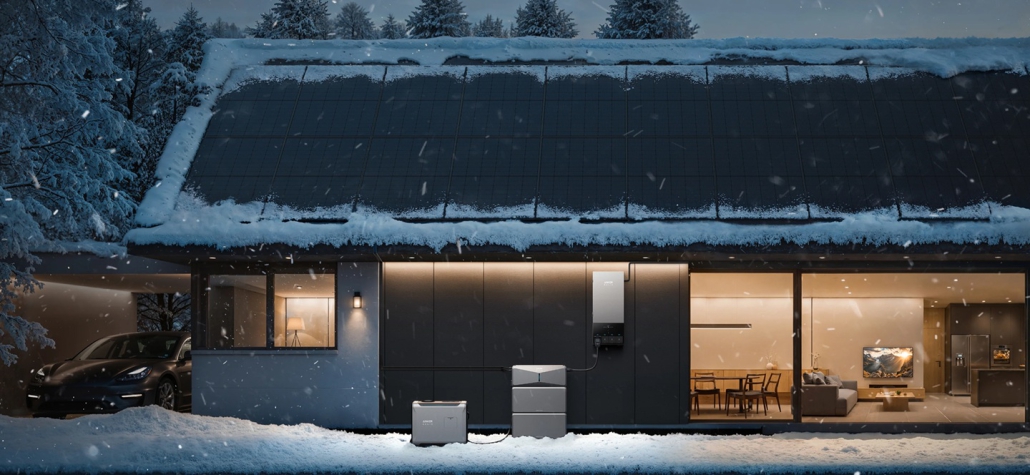
Wholesale Home Backup Power Supply
How Distributors and Installers Source Scalable Residential Backup Power Systems
Introduction: Why Wholesale Home Backup Power Is a Different Game
Rising grid instability, extreme weather events, and increasing residential electrification are reshaping how backup power is deployed at the home level. For distributors, installers, and energy solution providers, the challenge is no longer about selling a single backup device to an individual homeowner—it is about sourcing scalable, compliant, and repeatable home backup power systems at wholesale level.
As residential backup projects expand from individual homes to multi-site and community-scale deployments, buyers must evaluate system architectures, supplier responsibilities, and long-term availability rather than isolated products. Understanding what wholesale home backup power supply really means is the first step toward building resilient residential backup programs.
What Is a Wholesale Home Backup Power Supply?
A wholesale home backup power supply refers to a residential backup power system procured in bulk for distribution or project deployment. These systems typically consist of batteries, inverters, control electronics, and safety components designed to provide reliable electricity during grid outages. Unlike retail backup products, wholesale home backup power supplies are sourced by installers, distributors, developers, or energy solution providers and are evaluated as complete systems rather than standalone devices.
Wholesale vs Retail Home Backup Power Solutions
While retail home backup products are designed for individual homeowners, wholesale solutions must support repeatable deployment, standardized installation, and long-term serviceability.
Key Differences That Matter to Installers and Distributors
| Dimension | Wholesale Backup Power | Retail Backup Products |
| Procurement model | Bulk or project-based | Single-unit purchase |
| System configuration | Customizable | Fixed packages |
| Technical support | Engineering-level | Consumer support |
| Compliance documentation | Full certification set | Limited disclosures |
| Lifecycle management | Supported | Often unsupported |
For professional buyers, the ability to replicate a solution across dozens or hundreds of homes is often more important than consumer-facing features.
Core System Architectures Used in Home Backup Power Supply
Wholesale buyers evaluate system architectures, not individual products. The most common residential backup configurations include the following.
Battery-Based Backup Systems (Residential ESS)
Battery-based backup systems rely on energy storage paired with inverters and battery management systems to deliver sustained power during outages. These solutions are favored for residential applications due to their silent operation, scalability, and compatibility with solar integration.
From a system perspective, most modern battery-based home backup solutions follow the same foundational principles as broader home energy storage systems, which are designed to balance backup power, energy management, and long-term reliability. A more detailed explanation of how residential energy storage systems are structured can be found here:
👉 https://leochlithium.us/home-energy-solutions-explained/
UPS-Based Home Backup Systems
UPS-based systems are commonly deployed to protect critical residential loads such as communication equipment, security systems, medical devices, and control electronics. Their primary value lies in instantaneous switchover and power quality rather than long-duration backup.
In residential backup projects, UPS systems are typically used as subsystems within a broader backup architecture rather than as standalone whole-house solutions. For readers seeking a deeper understanding of where UPS systems fit and why they are used, this overview of uninterruptible power supply applications provides useful context:
👉 https://leochlithium.us/uninterruptible-power-supply-applications-where-and-why-ups-systems-are-essential/
Hybrid Backup Systems (Battery + Solar + Grid)
Hybrid backup systems combine battery storage with solar generation and grid power, allowing homes to operate in grid-tied, backup, or partially off-grid modes. These architectures are increasingly common in high-end residential developments and resilience-focused housing projects.
Although often discussed in commercial or utility contexts, the same solar storage system integration principles—covering system design, commissioning, and operational coordination—apply directly to residential hybrid backup deployments:
👉 https://leochlithium.us/solar-storage-system-integration-from-design-to-commissioning-in-commercial-and-utility-projects/
How to Select a Wholesale Home Backup Power System: A Procurement Framework
Choosing a wholesale home backup power supply requires a structured evaluation framework rather than a product-by-product comparison.
Load Profile Analysis
The first step is determining whether the system is intended for whole-house backup or only critical loads. Peak power demand, surge current, and continuous load profiles all influence inverter sizing and battery configuration.
Backup Duration and Scalability
Wholesale residential projects often require flexibility. Systems should support modular expansion to accommodate backup durations ranging from a few hours to extended outage scenarios without redesigning the entire system.
Safety and Compliance
Certifications such as UL, IEC, and UN38.3 are essential for residential deployments, especially when systems are installed across multiple regions. Compliance documentation must be consistent and readily available for permitting and inspection.
Integration Compatibility
Modern home backup power systems rarely operate in isolation. Compatibility with solar inverters, smart meters, and energy management systems is critical for long-term system value.
Why Wholesale Buyers Should Avoid One-Size-Fits-All Backup Solutions
Many retail-oriented backup products are optimized for mass-market simplicity rather than project-level repeatability. Common issues include limited configurability, unclear system responsibility, and insufficient after-sales support.
For wholesale buyers, installation complexity, installer skill variation, and long-term serviceability must be considered upfront. A solution that performs well in a single home may introduce operational risk when replicated at scale.
Supply Chain Considerations for Wholesale Home Backup Power
Manufacturer vs Supplier vs Integrator
Understanding who is responsible for system design, certification, and lifecycle support is critical. Manufacturers typically control product quality and compliance, while integrators focus on system-level coordination and deployment.
OEM and ODM Capabilities
For distributors developing private-label offerings, OEM and ODM capabilities allow customization in enclosure design, communication protocols, and power ratings without compromising certification.
Long-Term Availability
Residential backup projects often span multiple years. Model continuity, spare part availability, and technology roadmap stability are essential for maintaining consistency across installations.
Common Mistakes in Wholesale Residential Backup Power Projects
- Prioritizing battery capacity without accounting for peak power requirements
- Overlooking local grid interconnection and safety regulations
- Assuming uniform installer skill levels across regions
- Treating UPS systems and energy storage systems as interchangeable solutions
Avoiding these mistakes can significantly reduce post-installation issues and long-term operational risk.
Who Typically Sources Wholesale Home Backup Power Supplies?
Wholesale residential backup systems are commonly sourced by:
- Solar and energy storage installers
- Electrical contractors
- Energy distributors
- Property developers
- Utility-affiliated residential resilience programs
These buyers prioritize reliability, scalability, and long-term supplier partnerships over short-term cost considerations.
Conclusion: Building Scalable Residential Backup Power at Wholesale Level
Wholesale home backup power supply is not about moving individual products—it is about delivering repeatable, compliant, and scalable systems that can be deployed across diverse residential environments. By focusing on system architecture, procurement discipline, and supply chain stability, distributors and installers can build residential backup power solutions that withstand both technical and commercial scrutiny.