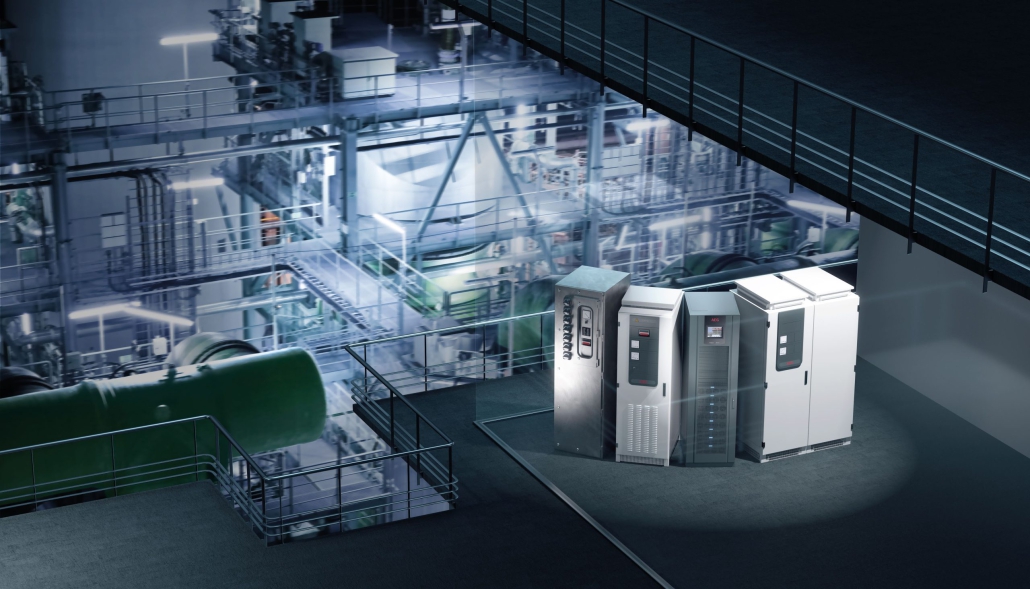
Industrial UPS Battery Supplier: Reliable Lithium Backup Power for Critical Industrial Systems
In modern industrial environments, power reliability is not optional—it is mission-critical. From automated manufacturing lines and industrial control systems to oil and gas facilities and semiconductor production plants, even a short power interruption can result in equipment damage, safety risks, or costly downtime.
Industrial uninterruptible power supply (UPS) systems are designed to prevent these disruptions by providing immediate backup power during grid failures or voltage instability. At the heart of these systems lies the UPS battery, which determines how long critical operations can continue when the primary power source fails.
As industries modernize their infrastructure, many organizations are replacing traditional lead-acid batteries with high-performance lithium UPS batteries that offer longer lifespan, higher efficiency, and lower maintenance requirements.
This guide explains how industrial UPS battery systems work, where they are used, and how to choose a reliable industrial UPS battery supplier for critical power applications.
What Is an Industrial UPS Battery System?
An industrial UPS battery system is an energy storage component used in large-scale uninterruptible power supply (UPS) systems to provide immediate backup electricity for critical industrial equipment when the main power source fails.
These battery systems are designed for high-power industrial environments, ensuring that manufacturing processes, control systems, and safety infrastructure continue operating during power outages or grid instability.
Unlike small office UPS units, industrial UPS battery systems support high-load equipment, longer backup durations, and demanding operational conditions across factories, energy facilities, and industrial automation infrastructure.
Industrial UPS battery systems typically support:
- Industrial control systems (PLC and SCADA)
- Manufacturing automation equipment
- Process control infrastructure
- Emergency shutdown systems
- Critical monitoring and communication equipment
For a broader overview of where UPS systems are used across industries, see:
https://leochlithium.us/uninterruptible-power-supply-applications-where-and-why-ups-systems-are-essential/
Why Industrial Facilities Require Reliable UPS Battery Systems
Power interruptions in industrial facilities often have consequences far beyond simple operational inconvenience. Production lines, automation systems, and safety infrastructure rely on continuous power to maintain stable operations.
Preventing Production Downtime
Automated production lines rely on precise coordination between machines, sensors, and controllers. A sudden power loss can interrupt this coordination and halt manufacturing processes.
Common consequences include:
- production delays
- product waste
- machine recalibration
- extended restart procedures
Industrial UPS battery systems ensure that equipment can continue operating or shut down safely during outages.
Protecting Sensitive Industrial Equipment
Industrial electronics such as PLC controllers, industrial servers, and robotics are sensitive to power disturbances.
Power disruptions can cause:
- data corruption
- control system errors
- hardware damage
- unstable production processes
UPS battery systems stabilize power delivery and protect critical equipment.
Maintaining Operational Safety
In industries such as oil & gas, chemical processing, and energy production, power stability is closely linked to operational safety.
UPS battery systems maintain power for:
- emergency shutdown systems
- alarm and monitoring networks
- safety instrumentation systems
- fire and gas detection infrastructure
Without backup power, these systems may fail during grid disturbances.
Lithium vs Lead-Acid Batteries in Industrial UPS Applications
For decades, industrial UPS systems relied primarily on lead-acid batteries. However, lithium battery technology is rapidly gaining adoption due to its superior lifecycle performance.
Many industrial facilities are now upgrading to lithium UPS battery systems.
| Feature | Lithium UPS Batteries | Lead-Acid UPS Batteries |
| Lifespan | 10–15 years | 3–5 years |
| Maintenance | Minimal | Regular maintenance |
| Energy Density | High | Lower |
| Installation Footprint | Compact | Larger battery rooms |
| Cycle Life | 4000–6000 cycles | 500–1000 cycles |
| Total Cost of Ownership | Lower long-term | Higher long-term |
Lithium batteries also recharge faster and operate more efficiently, making them well suited for modern industrial facilities where space and maintenance resources are limited.
Organizations sourcing batteries for large deployments or distribution programs may also consider wholesale procurement models:
https://leochlithium.us/ups-wholesale-lithium-battery-solutions-for-distributors-integrators-industrial-projects/
Typical Industrial UPS Battery Applications
Industrial UPS battery systems support a wide range of sectors where uninterrupted power is essential.
Manufacturing Plants
Modern factories depend on automation systems and robotics that must operate continuously.
UPS batteries protect:
- CNC machinery
- robotic assembly lines
- PLC control systems
- automated quality inspection equipment
Backup power ensures controlled shutdown and prevents production losses.
Oil and Gas Facilities
Energy infrastructure frequently operates in remote or unstable grid environments.
UPS battery systems support:
- drilling control systems
- remote monitoring infrastructure
- pipeline control networks
- offshore platform safety systems
Reliable power is essential for both operational continuity and environmental safety.
Chemical and Process Industries
Process industries rely on tightly controlled production conditions. Even brief power disruptions can destabilize chemical reactions or manufacturing processes.
UPS systems maintain power for:
- process automation controllers
- safety monitoring systems
- control room operations
- emergency shutdown equipment
Industrial Data Infrastructure
Many industrial facilities maintain dedicated data environments to manage automation and monitoring systems.
Industrial UPS batteries protect:
- industrial servers
- SCADA networks
- edge computing infrastructure
- plant data centers
For large-scale critical infrastructure environments, see:
https://leochlithium.us/data-center-ups-battery-selection-sizing-architecture-future-proofing-guide/
How to Choose the Right Industrial UPS Battery Supplier
Selecting the right supplier is a critical step when deploying industrial backup power systems. The reliability of the battery system directly impacts long-term operational stability.
Engineering and Integration Capability
Industrial UPS deployments often require customized system configurations. A reliable supplier should provide technical support for:
- voltage system design
- battery cabinet configuration
- UPS compatibility
- site-specific installation requirements
Suppliers with strong engineering support help ensure optimal system performance.
Safety Certifications and Compliance
Industrial battery systems must comply with international safety standards.
Common certifications include:
- UL safety standards
- IEC battery compliance
- UN38.3 transport certification
- CE certification
Certified products reduce operational risks and regulatory complications.
Lifecycle Reliability
UPS battery systems are long-term infrastructure assets. A qualified supplier should demonstrate:
- proven battery lifespan
- stable manufacturing capability
- consistent product quality
- long-term technical support
Customization and Project Support
Industrial projects often require tailored battery solutions.
Reliable suppliers should offer:
- custom voltage configurations
- rack or cabinet battery systems
- remote monitoring integration
- scalable battery modules
Understanding how UPS systems are designed across different infrastructures can also help evaluate suppliers:
https://leochlithium.us/ups-application-vs-ups-topology-selection-how-to-match-the-right-architecture-to-real-world-use-cases/
Looking for a Reliable Industrial UPS Battery Supplier?
If you are planning an industrial UPS project or upgrading an existing backup power system, selecting the right battery supplier is essential for long-term reliability and system performance.
Choosing a supplier with strong engineering capability, reliable manufacturing capacity, and proven project experience can help ensure that your UPS infrastructure remains stable and efficient over the long term.
👉 Contact our team to discuss your industrial UPS battery project:
https://leochlithium.us/contact-us/
Conclusion
Industrial operations depend on stable and reliable electrical power to maintain production continuity and ensure equipment safety.
Industrial UPS battery systems play a crucial role in protecting critical infrastructure during outages, voltage fluctuations, and grid instability.
As industrial facilities modernize their power infrastructure, lithium battery technology is increasingly becoming the preferred solution due to its longer lifespan, higher efficiency, and lower maintenance requirements.
Selecting the right industrial UPS battery supplier is therefore a key step in building reliable backup power systems for modern industrial environments.
Industrial UPS Battery FAQ
What is the difference between industrial UPS batteries and standard UPS batteries?
Industrial UPS batteries are designed for high-power and mission-critical environments such as factories, energy facilities, and process industries. Compared with standard commercial UPS batteries, industrial systems support larger electrical loads, longer backup durations, and harsher operating environments.
How long do industrial UPS batteries typically last?
Traditional lead-acid UPS batteries typically last 3–5 years, depending on temperature conditions and maintenance practices.
Lithium UPS batteries can last 10–15 years, significantly reducing replacement frequency and long-term operational costs.
Are lithium batteries better for industrial UPS systems?
Lithium batteries are increasingly preferred in industrial UPS applications because they provide:
- longer lifespan
- higher energy density
- faster recharge capability
- lower maintenance requirements
These advantages make lithium batteries well suited for modern industrial infrastructure where reliability and space efficiency are essential.