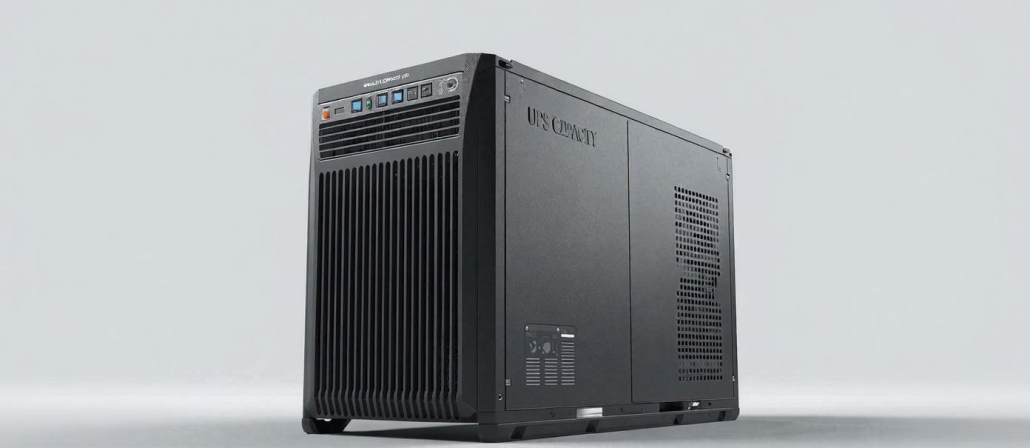
High-Capacity UPS Battery for Servers: Key Considerations for Reliable Backup
Servers and data centers require UPS solutions capable of handling high loads, long runtimes, and critical uptime requirements. Choosing the right UPS battery for these environments demands careful planning and an understanding of operational realities.
For a structured decision framework, see How to Choose the Best UPS Battery Backup: A Practical Decision Framework.
- Assess Load and Runtime Requirements
Server workloads vary, so estimate:
- Total power in kilowatts (kW)
- Required runtime during outages (typically 15–60 minutes)
High-capacity UPS batteries must support peak loads without voltage drops or overheating.
- Battery Chemistry Choice
- Lead-acid batteries are reliable for large capacity but require significant space and maintenance.
- Lithium UPS batteries offer higher energy density, longer cycle life, and faster recharge.
Consider When Is a Lithium UPS Battery Backup Not Worth It for evaluating scenarios where lithium may not be justified despite its advantages.
- Cooling and Environment
High-capacity UPS batteries generate heat:
- Proper ventilation or air-conditioning is essential
- Lithium batteries may require temperature monitoring via BMS
- Lead-acid batteries also need ventilation to manage off-gassing
- Maintenance and Monitoring
For servers and data centers:
- Regular testing and monitoring are critical
- Lithium systems with integrated BMS can reduce manual maintenance
- Remote monitoring allows early detection of battery degradation
- Recommended Product
For high-capacity applications with short-time backup needs:
Leoch Lithium UPS Short-Time Backup Power Series offers scalable lithium modules suitable for server environments.
Final Recommendations
- Plan UPS sizing based on current and projected load
- Verify runtime matches operational requirements
- Leverage integrated monitoring for safety and reliability
- Use How to Choose the Best UPS Battery Backup: A Practical Decision Framework as a guiding tool
By carefully matching UPS battery type, capacity, and operational practices, server systems can achieve reliable, EEAT-aligned backup protection.