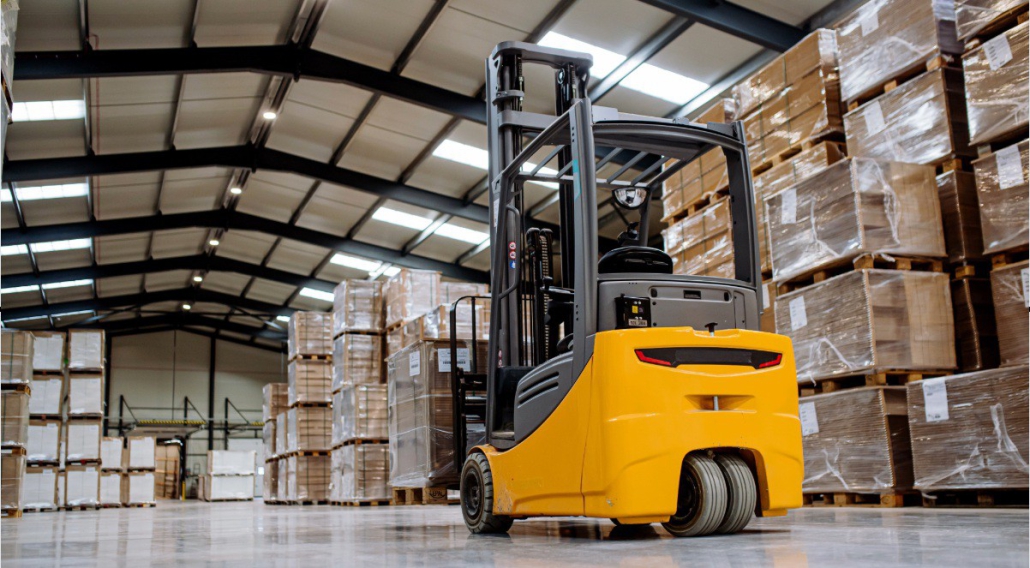
The 2026 Forklift Battery Guide: Maximizing Industrial Fleet Runtime and ROI
Introduction: The Material Handling Power Infrastructure Shift
Modern forklifts are no longer just warehouse tools—they are critical assets powering today’s logistics, manufacturing, distribution, and e-commerce operations.
In highly competitive supply chains, fleet efficiency is measured by three key metrics:
- Asset availability
- Fast operational turnaround
- Minimal maintenance downtime
As warehouses become more automated and throughput expectations continue to rise, battery performance has become a strategic operational decision rather than a simple maintenance purchase.
For decades, lead-acid batteries dominated industrial material handling. However, in 2026, many fleet managers are transitioning to Lithium Iron Phosphate (LiFePO₄) systems to eliminate maintenance bottlenecks, maximize uptime, and reduce total operating costs.
This forklift battery guide explores the engineering, operational, and financial considerations driving that transition.
Why Traditional Forklift Batteries Impede Warehouse Productivity
Lead-acid batteries have served industrial fleets for decades, but their limitations become increasingly visible in high-throughput operations.
Long Charging and Cooling Cycles
A typical heavy-duty lead-acid forklift battery requires:
- Approximately 8 hours of charging
- An additional 8 hours of cooling
- Another 8 hours of operational use
This “8-8-8” cycle often forces facilities to maintain multiple batteries for every forklift.
As a result, operators must continuously rotate batteries to keep equipment available throughout multiple shifts.
Dedicated Battery Rooms Consume Valuable Space
Lead-acid battery operations require specialized infrastructure including:
- Battery charging stations
- Ventilation systems
- Acid-resistant flooring
- Battery handling cranes
- Safety eyewash stations
- Spill containment equipment
These battery rooms occupy valuable warehouse real estate that could otherwise be used for storage, fulfillment operations, or production activities.
Maintenance Labor Adds Hidden Costs
Routine lead-acid maintenance includes:
- Weekly distilled water refilling
- Terminal cleaning
- Corrosion inspections
- Equalization charging procedures
- Battery health monitoring
Across a large fleet, these tasks consume significant labor hours and increase operational expenses.
What Are the Differences Between Lead-Acid and Lithium Forklift Batteries?
For facilities operating multiple shifts, the operational advantages of lithium quickly become apparent.
| Performance Factor | Heavy-Duty Lead-Acid Industrial Banks | Enterprise LEOCH Lithium (LiFePO4) |
| Average Operational Lifespan | 1,200 – 1,500 Cycles | 3,000 – 4,000+ Cycles |
| Charging Duration Window | 8 Hours + 8 Hours Cool-Down | 1 – 2 Hours Full Charge |
| Opportunity Charging Capacity | No (Damages battery lifecycle) | Yes (Highly optimized for breaks) |
| Daily Maintenance Overhead | High (Weekly distilled water top-offs) | Zero Manual Upkeep Required |
| OSHA Gas/Emissions Profile | Vents toxic hydrogen & acid fumes | Fully sealed, zero emissions |
Fleet Engineering Resource: Ready to bypass the operational bottlenecks of heavy lead-acid banks? Read our step-by-step mechanical walkthrough on How to Replace a Lead-Acid Forklift Battery with a Lithium One to map out your shop’s changeover window and safely manage truck weight distribution.
The Engineering Reality of Opportunity Charging
One of the most transformative advantages of lithium forklift batteries is the ability to perform opportunity charging.
What Is Opportunity Charging?
Opportunity charging refers to recharging a battery during short periods of downtime, such as:
- 15-minute operator breaks
- Lunch periods
- Shift changes
- Loading delays
Rather than waiting for a full depletion cycle, operators can continuously replenish battery capacity throughout the workday.
Why Lead-Acid Cannot Do This Efficiently
Lead-acid batteries are vulnerable to:
- Sulfation
- Heat buildup
- Reduced cycle life
- Incomplete charge degradation
Frequent partial charging accelerates battery wear and shortens service life.
Why LiFePO₄ Excels
Lithium Iron Phosphate chemistry tolerates:
- Frequent charging events
- Partial charging cycles
- Rapid charging rates
- High-throughput duty cycles
Unlike lead-acid systems, lithium batteries experience no memory effect and maintain their expected lifecycle even under continuous opportunity charging.
Reclaiming Warehouse Space
Because opportunity charging eliminates the need for battery swapping programs, facilities can:
- Remove dedicated battery rooms
- Reduce charging station footprints
- Eliminate battery handling equipment
- Increase storage density
For large distribution centers, reclaiming battery room space can translate directly into increased inventory capacity and revenue generation.
Choosing the Right Voltage Architecture: 24V to 73.6V
Battery voltage selection depends heavily on equipment classification and the specific throughput velocity of your facility. For high-volume fulfillment environments operating out of primary US logistics corridors—such as the Inland Empire in California, the Dallas-Fort Worth metroplex in Texas, or Chicago’s primary inland ports—matching the electrical footprint to the workload requirement is critical to preventing systemic cross-shift delays.
24V and 36V Systems
Common Applications:
- Electric pallet jacks
- Walkie stackers
- Low-capacity warehouse equipment
Advantages:
- Compact battery footprints
- Lower acquisition costs
- Ideal for light-duty operations
48V and 51.2V Systems
Common Applications:
- Class II reach trucks
- Counterbalanced forklifts
- Distribution center operations
Advantages:
- Excellent balance between runtime and power
- Industry-standard voltage architecture
- Strong compatibility with existing fleets
For many operations, a 51.2V forklift battery represents the ideal combination of performance and operational flexibility. These systems are typically engineered using a $16\text{S}$ nominal configuration of sixteen premium prismatic cells wired in series to sustain constant hydraulic pressure without voltage clipping.
73.6V and 80V Systems
Common Applications:
- Heavy industrial forklifts
- Container handling
- Outdoor logistics yards
- High-capacity lifting operations
Advantages:
- Maximum hydraulic performance
- Sustained torque output
- Faster travel speeds
- Superior multi-shift productivity
These high-voltage configurations are designed for demanding environments where downtime is unacceptable.
Frequently Asked Questions: Industrial Lithium Safety & Compliance
Are lithium forklift batteries safe?
Yes. Modern LiFePO₄ forklift batteries are among the safest lithium technologies available.
Premium commercial systems incorporate:
- Integrated Battery Management Systems (BMS)
- Overcurrent protection
- Thermal monitoring
- Short-circuit protection
- Cell balancing functions
LiFePO₄ chemistry also offers exceptional thermal stability compared to other lithium chemistries.
What certifications should industrial lithium forklift batteries have?
When evaluating commercial battery systems, look for certifications such as:
- UL 2580
- UL 2271
- IEC 62619
- 3 transportation compliance
These standards validate safety, performance, and transportation requirements for industrial battery systems.
Can lithium forklift batteries operate in cold storage facilities?
Yes.
Many enterprise-grade lithium forklift batteries can be equipped with integrated heating systems that support operation in environments as low as:
-4°F (-20°C)
These self-heating technologies allow charging and operation in refrigerated warehouses and cold-chain logistics facilities.
Do lithium batteries affect forklift weight and stability?
Forklift manufacturers design equipment around specific battery weights to maintain proper counterbalance.
Enterprise lithium systems are available in:
- Standard-weight configurations
- Ballast-equipped designs
- Custom weight packages
This ensures compliance with OEM stability requirements while delivering lithium performance benefits.
Calculating Long-Term ROI
When comparing lead acid vs lithium forklift batteries, purchase price alone tells only part of the story.
A complete Total Cost of Ownership (TCO) calculation should include:
- Battery purchase cost
- Labor costs
- Watering maintenance
- Charging infrastructure
- Battery room construction
- Energy consumption
- Downtime losses
- Replacement frequency
Over a 5-to-10-year operational horizon, many facilities discover that lithium systems deliver substantially lower overall ownership costs despite a higher initial investment.
The result is:
- Increased fleet availability
- Reduced maintenance expenses
- Improved warehouse productivity
- Faster operational throughput
Conclusion: Building the Next Generation Material Handling Fleet
Forklift batteries are no longer simply consumable components—they are strategic infrastructure investments that directly impact warehouse productivity and profitability.
While traditional lead-acid systems remain common, modern logistics operations increasingly demand:
- Faster charging
- Opportunity charging flexibility
- Zero maintenance
- Longer service life
- Reduced facility overhead
Lithium Iron Phosphate technology addresses each of these requirements while delivering measurable improvements in fleet uptime and long-term ROI.
Whether you’re upgrading a single forklift or modernizing an entire distribution network, selecting the right battery architecture can dramatically improve operational performance for years to come.
Ready to Optimize Your Fleet?
Contact the LEOCH engineering team to discuss custom voltage configurations, lithium forklift battery upgrades, charging infrastructure planning, and fleet-wide ROI analysis tailored to your material handling operation.