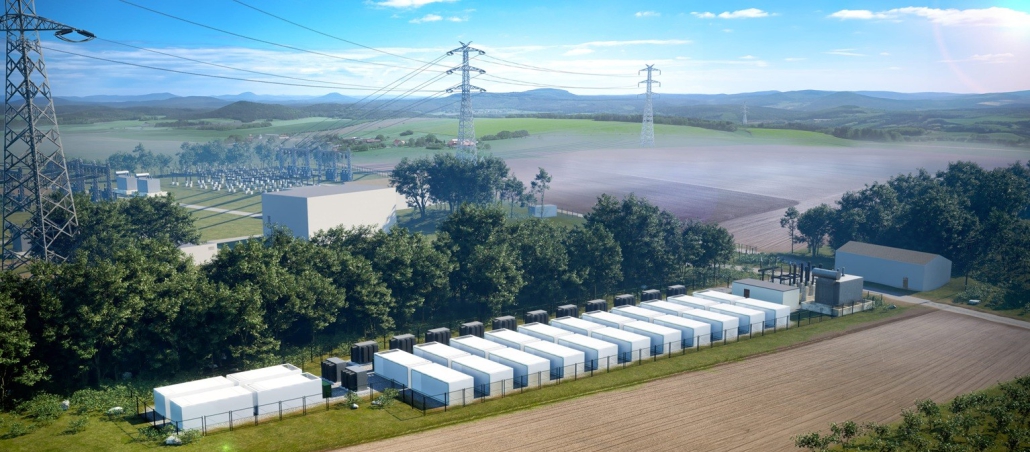
Wholesale Lithium Batteries for ESS: How Commercial and Industrial Projects Source Reliable Energy Storage at Scale
Battery Energy Storage Systems (ESS) have become a core infrastructure asset for commercial and industrial (C&I) energy strategy. As project sizes grow and deployments become multi-site or utility-interactive, sourcing lithium batteries at wholesale level is no longer just about price — it is about system reliability, scalability, compliance, and long-term operational certainty.
This page focuses specifically on wholesale lithium batteries for ESS projects, and sits under the broader procurement framework explained in:
What “Wholesale Lithium Batteries for ESS” Really Means
For ESS applications, wholesale sourcing does not simply mean buying batteries in bulk. In practice, it refers to a procurement model where lithium battery supply is aligned with:
- Project-scale energy requirements (kWh–MWh)
- System architecture decisions (DC-coupled vs AC-coupled)
- Long-duration operational expectations (10–20 years)
- Grid, safety, and compliance standards
Unlike small-format applications, ESS batteries are system-critical components. Failures impact revenue, grid compliance, and contractual performance guarantees.
Why ESS Projects Require a Different Wholesale Battery Strategy
Energy storage projects place demands on lithium batteries that differ significantly from telecom, UPS, or mobility applications.
- Cycle Life Over Nameplate Capacity
ESS economics are driven by usable energy over lifetime, not just initial kWh.
Wholesale buyers evaluate:
- Depth of discharge (DoD) under daily cycling
- Capacity retention after 6,000–10,000+ cycles
- Degradation curves under partial cycling and temperature stress
- System-Level Integration, Not Just Cell Quality
In ESS deployments, battery performance depends on:
- Module and rack-level thermal management
- BMS logic aligned with EMS control strategies
- Compatibility with inverters and power conversion systems (PCS)
Wholesale ESS sourcing therefore prioritizes system integration readiness, not just battery chemistry.
- Long-Term Serviceability and Replacement Planning
ESS assets are expected to operate for more than a decade. Wholesale procurement must account for:
- Module-level replaceability
- Future batch consistency
- Supplier continuity and roadmap transparency
Typical ESS Applications Driving Wholesale Lithium Battery Demand
Wholesale lithium batteries for ESS are commonly used in:
- Commercial peak shaving and demand charge reduction
- Industrial load shifting and energy arbitrage
- Solar-plus-storage projects
- Microgrids and islanded power systems
- Grid-support services (frequency regulation, capacity markets)
Each application places different stress profiles on the battery system, which directly influences procurement criteria.
Key Technical Criteria When Sourcing ESS Batteries at Wholesale Level
Battery Chemistry Selection
For most modern ESS projects, LiFePO₄ (LFP) is the dominant chemistry due to:
- Thermal stability
- Long cycle life
- Lower total cost of ownership
However, large-scale projects still assess chemistry based on:
- Operating temperature range
- Space constraints
- Expected cycling intensity
Modular Scalability
Wholesale ESS sourcing favors batteries designed for:
- Rack-based expansion
- Parallel system growth
- Standardized module footprints
This enables phased deployment and future capacity upgrades without full system redesign.
Safety and Compliance
ESS batteries must meet stringent standards, often including:
- UL 1973 / IEC 62619
- UL 9540 / 9540A (system-level)
- Local grid interconnection and fire safety codes
Wholesale suppliers are evaluated not only on certifications, but on real project approval history.
How Wholesale ESS Battery Procurement Differs from Other Applications
While this page focuses on ESS, it is important to distinguish it from other wholesale battery categories:
- Telecom backup systems prioritize float life and reliability over cycling intensity
- UPS systems emphasize short-duration discharge and instantaneous response
- ESS systems balance deep cycling, grid interaction, and long-term degradation management
This distinction is why ESS projects typically require dedicated wholesale sourcing strategies, rather than repurposed solutions from other sectors.
Supplier Evaluation: What Matters Most for ESS Wholesale Buyers
When evaluating wholesale lithium battery suppliers for ESS, experienced buyers focus on:
- Proven ESS deployment references
- Engineering support during system design
- Transparent performance data and degradation modeling
- Stable manufacturing capacity and quality control
- After-sales support aligned with long asset lifetimes
Price remains important, but it is rarely the deciding factor for bankable projects.
Positioning Within a Wholesale Energy Storage Portfolio
For C&I buyers, ESS is often one part of a broader energy storage strategy. A structured wholesale portfolio typically includes:
- ESS for energy optimization and grid interaction
- Dedicated telecom backup systems for network resilience
- UPS systems for mission-critical loads
Each category warrants its own sourcing logic while sharing a common supplier evaluation framework.
Final Takeaway
Wholesale lithium batteries for ESS represent a specialized procurement category where technical alignment, system compatibility, and long-term reliability outweigh simple cost considerations.
By treating ESS batteries as strategic infrastructure components — rather than interchangeable commodities — commercial and industrial buyers can reduce risk, improve project performance, and ensure scalable growth across their energy storage portfolio.