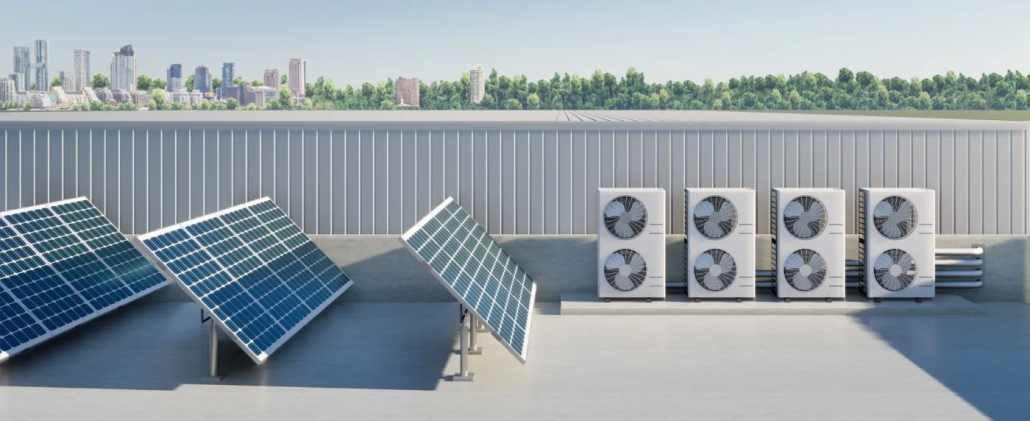
Solar Battery Supplier: How Installers and EPC Contractors Source Reliable Lithium Energy Storage
Finding a reliable solar battery supplier is critical for solar installers, EPC contractors, and distributors aiming to deliver efficient, long-lasting energy storage solutions. Choosing the right supplier directly impacts project performance, scalability, and long-term ROI. This guide walks you through key considerations, supplier types, and best practices to ensure you partner with a supplier capable of meeting your solar energy needs reliably.
Why Choosing the Right Solar Battery Supplier Matters
Selecting a dependable supplier goes beyond price. It affects the performance, safety, and lifespan of solar energy storage systems. Unreliable suppliers can cause project delays, inconsistent quality, or even safety issues, which can undermine your business credibility and profitability.
Impact on Project Performance and ROI
- System efficiency – High-quality batteries maintain capacity and provide predictable performance.
- Project ROI – Reliable suppliers reduce maintenance costs and prevent premature battery replacement.
- Integration ease – Compatible and well-supported batteries simplify installation and monitoring.
Risks of Unreliable Suppliers
- Inconsistent product quality
- Limited technical support
- Supply chain delays
- Lack of compliance with safety standards
Evaluating suppliers carefully mitigates these risks and ensures your solar projects succeed.
Key Factors When Selecting a Solar Battery Supplier
Battery Chemistry & Technology
Lithium-ion batteries, especially LiFePO4, are preferred for solar storage due to:
- High cycle life
- Stable thermal performance
- Low maintenance requirements
Comparing them with lead-acid or other chemistries helps identify the right solution for your application.
Capacity, Voltage, and Scalability
- Ensure batteries meet your system voltage and capacity requirements.
- Suppliers capable of scaling for multi-site or large projects are preferable.
Safety Certifications & Compliance
- Look for UL1973, IEC62133, or equivalent certifications.
- Compliance ensures safety, reliability, and regulatory acceptance for both commercial and residential projects.
Warranty & Lifecycle Support
- Review the warranty period and after-sales service.
- Reliable suppliers provide technical guidance and replacement support throughout the battery lifecycle.
Supply Chain Reliability
- Confirm lead times, production capacity, and logistics support.
- Suppliers with robust supply chains reduce risk of project delays.
Types of Suppliers to Consider
Direct Manufacturers vs. Distributors
- Direct Manufacturers: Often provide competitive pricing and custom solutions.
- Distributors: Offer smaller minimum order quantities (MOQ), faster delivery, and multiple brands in one place.
Regional vs. International Suppliers
- Regional suppliers can reduce shipping costs and lead times.
- International suppliers may offer broader product selection and specialized chemistries.
Wholesale & Private Label Options
- Private label batteries allow branding and consistent supply for EPCs and distributors.
- Wholesale partnerships are ideal for companies managing multiple projects simultaneously.
Explore Our Supplier Solutions (CTA – Hub Page)
Explore our comprehensive solar battery solutions for commercial and residential projects.
Visit our Wholesale Lithium Battery Hub to view scalable lithium batteries, minimum order quantities, and private label options tailored for installers, EPCs, and distributors.
How to Evaluate a Supplier’s Commercial Capability
Minimum Order Quantity (MOQ) and Lead Time
- Ensure the supplier can accommodate your project size without excessive MOQs.
- Confirm they can deliver on schedule to meet project deadlines.
Logistics, Shipping, and Support Services
- Check for integrated shipping solutions.
- Reliable technical and customer support saves time during installation.
Pricing Structure & Volume Discounts
- Evaluate overall cost per kWh, including shipping and warranty.
- Volume discounts are important for EPCs managing multiple sites.
Best Practices for Solar Battery Procurement
Aligning with Project Size and Storage Needs
- Assess energy storage requirements accurately before placing orders.
- Matching battery capacity with project load avoids overinvestment or shortages.
Integrating with Existing Solar Systems
- Verify compatibility with inverters and energy management systems.
- Supplier technical support simplifies system integration and monitoring.
Ensuring Long-Term Serviceability
- Consider lifecycle maintenance, monitoring software, and replacement options.
- Reliable suppliers provide training and documentation for installers and operators.
Recommended Internal Links
- Wholesale Solar Battery Storage – For large-scale procurement
- Residential Battery Energy Storage Systems – For home applications
- Commercial & Industrial Battery Energy Storage Systems – For business projects
- Battery Wholesale Suppliers Hub – Cross-category procurement options
Ready to Take Action?
Have a project you’re planning or need a reliable solar battery supply?
Contact us today to discuss your requirements and get a personalized quote:
👉 Contact Us