Motorcycle Lithium Battery vs Lead-Acid: Which One Should You Choose?
Motorcycle Lithium Battery vs Lead-Acid: Which One Should You Choose?
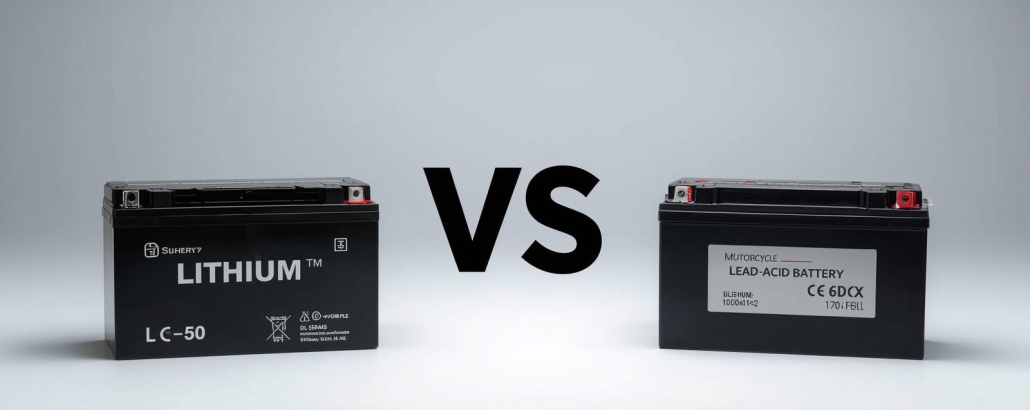
Motorcycle owners often face the dilemma of choosing between lithium and lead-acid batteries. Both types serve the same basic function, but they differ significantly in performance, maintenance requirements, lifespan, and cost. Understanding these differences is essential for making a choice that aligns with your riding habits, budget, and motorcycle model.
Key Differences Between Lithium and Lead-Acid Motorcycle Batteries
For most modern motorcycles, lithium batteries provide faster charging, longer lifespan, and lighter weight, while lead-acid batteries remain a lower-cost, robust choice for riders with infrequent use or budget constraints.
This statement captures the core practical distinction and helps users quickly identify which battery type is likely to suit their situation.
| Feature | Lithium Battery | Lead-Acid Battery | Notes |
| Weight | Significantly lighter (around 1/3 of lead-acid) | Heavier | Affects handling and portability |
| Size | Smaller | Larger | Installation convenience |
| Lifespan | 1500–3000 cycles | 300–500 cycles | Frequent riders benefit more from lithium |
| Self-Discharge | Very low | Higher | Important for long-term storage |
| Maintenance | Maintenance-free | Requires periodic electrolyte checks | Convenience factor |
| Charging Speed | Fast (1–2 hours) | Slow (4–8 hours) | Critical for frequent use |
| Cost | Higher upfront cost | Lower upfront cost | Budget-sensitive users may prefer lead-acid |
| Environmental Tolerance | Stable in wide temperature ranges with BMS protection | Can be affected by extreme temperatures | Safety and reliability |
| Safety | Needs BMS to prevent overcharge/discharge | Relatively stable but contains acid | Risk management consideration |
For a more detailed understanding of performance differences, lifecycle, and maintenance tips, see Comparing Motorcycle Starting Battery Types, Lifespan Factors, and Maintenance Tips.
Which Battery is Right for Your Motorcycle?
Daily Commuting or Occasional Riding
For riders who use their motorcycles infrequently or only for short trips, lead-acid batteries often provide sufficient performance at a lower cost. Their robustness and low upfront expense make them ideal for low-usage scenarios.
Frequent Short Trips or Performance Motorcycles
Lithium batteries excel in motorcycles that are used frequently, especially for short trips where fast recharge and low weight improve overall riding experience. The extended lifespan and low self-discharge rate make lithium batteries cost-effective over the long term in high-use situations.
Long-Term Storage and Seasonal Riding
If your motorcycle is stored for months, especially during winter, lithium batteries maintain charge much better than lead-acid. This reduces the risk of deep discharge damage and ensures your bike is ready when needed.
Maintenance and Total Cost Considerations
While lithium batteries cost more upfront, their lower maintenance requirements and longer lifespan can lead to a lower total cost of ownership over several years. Lead-acid batteries are cheaper initially but require regular checks, electrolyte refills, and more frequent replacements.
For riders or shops evaluating cost-effectiveness, it is crucial to balance:
- Purchase price vs lifespan
- Maintenance effort vs convenience
- Charging time vs daily usability
Compatibility and Installation Notes
Not all motorcycles are compatible with every lithium battery model. Installing a lithium battery may require checking:
- Terminal polarity and size
- Voltage compatibility (12V standard for most bikes)
- BMS integration for safety
Always confirm the manufacturer’s recommendations before switching from lead-acid to lithium.
Battery technology choices do not exist in isolation. As lithium and lead-acid motorcycle batteries continue to evolve, the criteria for what defines the best option also changes over time.
For a broader, 2026-focused perspective on how motorcycle battery technologies are maturing—and how performance, reliability, and lifecycle expectations are converging in the North American market—see our updated outlook on best motorcycle batteries for 2026:
https://leochlithium.us/best-motorcycle-batteries-for-2026-a-north-america-focused-outlook-and-selection-framework/
Conclusion: Choose Based on Your Riding Needs
Selecting the right motorcycle battery depends on your specific usage, storage habits, and budget. Lithium batteries provide superior performance, faster charging, lighter weight, and longer lifespan, making them ideal for frequent riders or those prioritizing convenience. Lead-acid batteries remain a practical, cost-effective solution for infrequent riders or those seeking simplicity and low upfront costs.
By evaluating your riding patterns and maintenance capacity, you can choose the battery type that best aligns with your needs, avoiding unnecessary costs or performance compromises.
Recommended Reading: