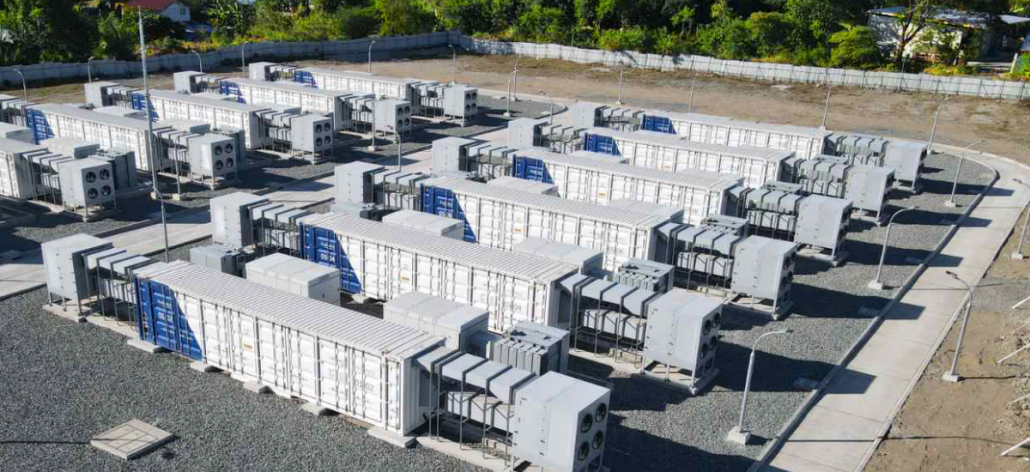
Large Scale Battery Energy Storage Systems: Applications, Architecture, and Grid Value
Large scale battery energy storage systems are becoming a foundational asset in modern power grids. As renewable generation increases and electricity demand patterns grow more volatile, utilities and grid operators rely on large scale storage to balance supply and demand, stabilize frequency, and improve overall grid resilience. This article explains what large scale battery energy storage systems are, how they work, and why they are increasingly critical to utility-scale energy infrastructure.
What Are Large Scale Battery Energy Storage Systems?
Large scale battery energy storage systems (BESS) are centralized energy storage installations, typically ranging from several megawatt-hours (MWh) to gigawatt-hours (GWh), designed to store electrical energy and discharge it back to the power grid when needed. These systems support grid stability by absorbing excess electricity during low-demand periods and supplying power during peak demand, grid disturbances, or renewable generation shortfalls.
Unlike residential or commercial battery systems, large scale BESS are engineered specifically for grid-level operation, with advanced power conversion systems, energy management software, and thermal control designed to operate continuously under utility-grade performance and safety standards.
How Large Scale BESS Support Modern Power Grids
Large scale battery energy storage systems perform multiple grid services that were traditionally handled by fossil-fueled peaker plants or oversized transmission infrastructure.
Peak Shaving and Load Balancing
During periods of high electricity demand, large scale BESS discharge stored energy to reduce peak load on the grid. This helps utilities avoid expensive peak generation and delays the need for new power plants or grid upgrades.
Frequency Regulation
Grid frequency must remain within tight tolerances to maintain stability. Battery storage systems respond within milliseconds, making them ideal for frequency regulation and fast-response ancillary services.
Renewable Energy Integration
Solar and wind generation are inherently intermittent. Large scale BESS smooth output fluctuations, store excess renewable energy, and reduce curtailment, enabling higher renewable penetration without compromising grid reliability.
Grid Resilience and Emergency Support
In the event of outages or grid disturbances, utility-scale battery systems can provide backup power, voltage support, and in some configurations, black start capability to help restore grid operations.
Typical Scale and System Architecture
Large scale battery energy storage systems are generally defined by:
-
Power Rating: From ~10 MW to several hundred MW
-
Energy Capacity: From tens of MWh to multiple GWh
-
Duration: Commonly 1–4 hours, with longer-duration systems emerging
The appropriate scale depends on the intended grid service, market participation, and regulatory environment.
Core System Components
A utility-scale BESS typically includes:
-
Battery modules and racks
-
Power Conversion Systems (PCS)
-
Energy Management System (EMS)
-
Thermal management and fire suppression
-
Grid interconnection and protection equipment
These components are integrated into a centralized control architecture that allows real-time monitoring, dispatch optimization, and compliance with grid codes.
Large Scale BESS vs Distributed Energy Storage
| Aspect | Large Scale BESS | Distributed Storage |
|---|---|---|
| Deployment | Centralized | Decentralized |
| Primary Role | Grid services | Local backup & optimization |
| Control | Utility / grid operator | End user / aggregator |
| Scale | MW–GW | kW–MW |
Both approaches are complementary, but large scale battery energy storage systems play a unique role in system-wide grid management.
Key Use Cases for Utility-Scale Battery Storage
Large scale battery energy storage systems are deployed across a wide range of utility and energy market applications. Below is a reorganized list that highlights both mainstream and emerging high-impact scenarios:
1. Grid-Scale Load Balancing and Peak Demand Management
Utility storage installations help mitigate stress on generation and transmission infrastructure by delivering stored energy during periods of peak load or system congestion.
2. High-Density Data Centers and AI Compute Infrastructure ⭐
Modern AI and high-density compute facilities are emerging as significant new use cases for large scale BESS. These facilities can draw tens to hundreds of megawatts of power and exhibit highly variable load profiles that challenge traditional grid connections. Even brief power quality disturbances or micro-outages can disrupt critical compute jobs, making fast, high-capacity energy buffering essential.
For deeper context on AI workload power demands and infrastructure pressures, see:
👉 https://leochlithium.us/ai-data-center-power-infrastructure-designing-ups-battery-and-energy-storage-systems-for-high-density-ai-workloads/
This placement reflects how BESS is evolving from simply grid-centric solutions to infrastructure capable of supporting cutting-edge computing environments.
3. Renewable Energy Firming and Integration
Large scale BESS smooths the inherent variability of solar and wind generation by storing excess energy during peak production and dispatching it during shortfalls or high-demand periods.
4. Energy Arbitrage in Wholesale Electricity Markets
BESS can charge when electricity prices are low and discharge when prices are high, creating economic value streams for utilities and market participants.
5. Transmission Congestion Relief and Capacity Deferral
By strategically discharging stored energy, BESS can relieve bottlenecks and defer costly grid infrastructure upgrades.
6. Grid Modernization and Decarbonization Initiatives
Systems participating in grid modernization programs help accelerate the energy transition by enabling higher renewable penetration and more responsive power distribution strategies.
Technology Choices in Large Scale Energy Storage
Lithium-ion technology currently dominates large scale BESS deployments due to its high energy density, fast response, and declining cost. It is well suited for short- to medium-duration grid services.
Alternative storage technologies such as flow batteries, sodium-based batteries, and hybrid systems are gaining attention for specific use cases, particularly where longer discharge durations or enhanced cycle life are needed. However, these technologies are typically deployed alongside, rather than replacing, lithium-based systems in the near term.
Why Large Scale Battery Energy Storage Systems Matter Long Term
Large scale battery energy storage systems are not simply an add-on to the grid—they are a structural enabler of the energy transition. By decoupling electricity generation from consumption, they allow power systems to operate more efficiently, integrate higher levels of renewable energy, and reduce reliance on carbon-intensive backup generation.
As grids continue to modernize, large scale BESS will increasingly function as both infrastructure assets and flexible energy resources, shaping how electricity is generated, transported, and consumed.
Recommended Reading
The following resources discuss high-capacity energy storage decision principles that also apply to utility-scale battery systems:
-
How to Choose the Best UPS Battery Backup: A Practical Decision Framework
https://leochlithium.us/how-to-choose-the-best-ups-battery-backup-a-practical-decision-framework -
High-Capacity UPS Battery for Servers: Key Considerations for Reliable Backup
https://leochlithium.us/high-capacity-ups-battery-for-servers-key-considerations-for-reliable-backup -
When Is a Lithium UPS Battery Backup Not Worth It?
https://leochlithium.us/when-is-a-lithium-ups-battery-backup-not-worth-it
Conclusion
Large scale battery energy storage systems are a cornerstone of modern utility grids and emerging high-impact load environments such as AI compute centers. Their ability to deliver fast, flexible, and reliable energy services makes them essential for grid stability, renewable integration, and long-term energy resilience. As technology matures and deployment scales, their role will continue to expand across global power systems.