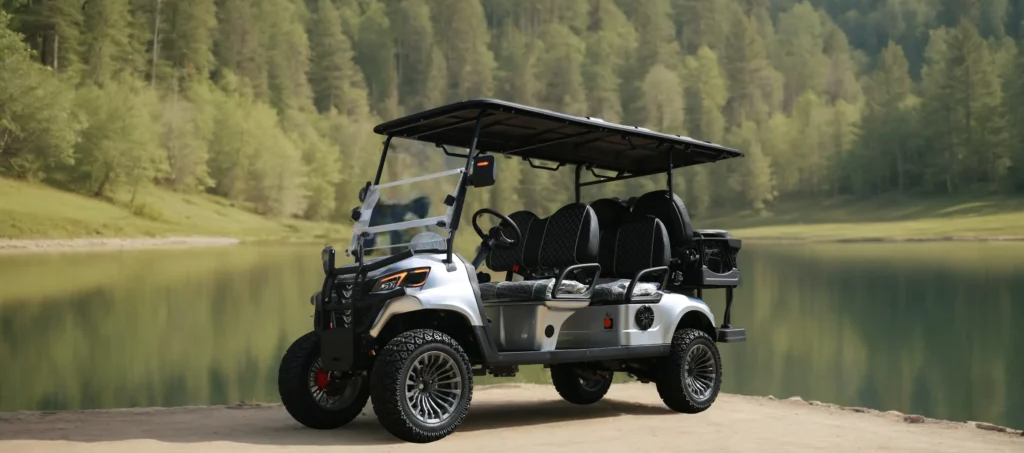
Best Lead Acid Golf Cart Batteries: A Comprehensive Guide for Fleet Managers and Daily Users
Lead-acid batteries remain one of the most widely used power solutions for golf carts across the United States. While lithium technology has gained traction in recent years, lead-acid batteries continue to hold significant market share thanks to their affordability, proven performance, and compatibility with existing golf cart systems. However, choosing the best lead-acid golf cart battery is not always straightforward—especially for fleet operators who must balance cost, reliability, maintenance, and long-term performance.
This guide provides a clear, unbiased breakdown of today’s top lead-acid options, what truly defines battery quality, and how fleet managers can make more informed decisions. It also outlines when it may be appropriate to consider lithium alternatives, without overselling or diminishing the ongoing value of lead-acid technology.
- Why Lead-Acid Batteries Are Still Relevant in the Golf Cart Market
Despite the emergence of advanced chemistries, lead-acid batteries continue to be the standard choice for many golf courses, personal golf cart owners, and rental fleets. Their staying power in the market is supported by several factors:
- Lower upfront cost compared to lithium
- Wide compatibility with existing chargers and cart systems
- Established maintenance routines familiar to fleet technicians
- Reliable deep-cycle performance when properly maintained
For users who prioritize affordability and proven reliability, lead-acid remains a valid and effective option.
- Types of Lead-Acid Batteries for Golf Carts
Not all lead-acid batteries perform the same. Understanding the differences helps buyers choose the best fit for their usage patterns.
Flooded Lead-Acid (FLA) Batteries
- Most affordable type
- Require regular watering and cleaning
- Strong deep-cycle capability
- Best for fleets with dedicated maintenance teams
AGM (Absorbent Glass Mat) Batteries
- Maintenance-free
- Higher resistance to vibration
- Faster charging than FLA
- More expensive but less labor-intensive
Gel Batteries
- Very stable and low-maintenance
- Moderate cycle life
- Sensitive to overcharging
Enhanced Flooded Battery (EFB)
- Improved cycling endurance over traditional flooded types
- Lower maintenance compared to standard FLA
- Ideal for mid-usage fleets seeking balance
Each type offers a distinct mix of lifecycle cost, maintenance needs, and performance. Selecting the “best” option depends on a fleet’s operating realities—not simply battery specifications.
- What Defines the Best Lead-Acid Golf Cart Battery?
When evaluating battery performance, these factors matter more than brand marketing:
Cycle Life
The number of full charge/discharge cycles a battery can deliver before reaching end of life.
Depth of Discharge (DOD)
Batteries designed for deeper discharge typically last longer in real-world golf cart usage.
Charging Efficiency
Higher efficiency reduces energy waste and downtime.
Capacity (Ah Rating)
Determines how long a cart can operate before needing recharge.
Maintenance Requirements
Less maintenance → lower labor costs and fewer operational disruptions.
Durability and Vibration Resistance
Important for carts used on rough or uneven terrain.
Brand Consistency and Quality Control
Especially critical for fleets that purchase large quantities.
These dimensions together—not just brand reputation—define what “best” truly means for lead-acid golf cart batteries.
- Leading Lead-Acid Golf Cart Batteries in the U.S. Market
Below is an unbiased look at some of the most respected and widely used lead-acid options. These brands are known for consistent performance and established support networks.
- Trojan T-105 (Flooded Lead-Acid)
Why it stands out:
- Industry benchmark for deep-cycle performance
- Long cycle life and excellent resilience
- Strong nationwide dealer support
Best for: Golf courses needing high reliability and predictable performance
- U.S. Battery US 2200 XC2 (Flooded Lead-Acid)
Why it stands out:
- High capacity and strong run time
- Responsive in high-demand situations
- Good balance of price and durability
Best for: Fleets needing long daily usage intervals
- Crown CR-225 (Flooded Lead-Acid)
Why it stands out:
- Rugged plate design
- High charge efficiency
- Often offers competitive pricing
Best for: Budget-conscious fleets that still demand solid performance
- Interstate GC2-HD (AGM or Flooded Options)
Why it stands out:
- Easy nationwide availability
- Reliable deep-cycle output
- AGM version ideal for low-maintenance operations
Best for: Personal users or small fleets with limited maintenance resources
These options are among the most commonly deployed across U.S. golf courses and fleet operators. Each achieves strong performance within its category, making them “best” depending on usage expectations.
- When Lead-Acid Is Still the Right Choice
Although lithium batteries continue to grow in popularity, lead-acid remains ideal in several situations:
- Limited upfront budget
- Predictable daily usage with minimal variability
- Access to maintenance staff capable of routine checks
- Lower annual usage hours
- Compatibility concerns with existing chargers
- Simple, proven reliability requirements
Lead-acid batteries are not outdated—they simply excel under certain operational conditions.
- How to Maintain Lead-Acid Golf Cart Batteries for Maximum Lifespan
Proper maintenance dramatically extends the useful life of lead-acid batteries. Key practices include:
Regular Watering (Flooded Types)
Ensures proper electrolyte levels and prevents plate exposure.
Equalization Charging
Periodic balancing reduces sulfation and extends cycle life.
Terminal Cleaning
Prevents resistance buildup and voltage drops.
Avoiding Deep Discharge
Helps preserve overall cycle life.
Temperature Management
Extreme heat accelerates aging; cold reduces performance.
Battery Matching
Use batteries of the same age and capacity within a pack to avoid uneven wear.
Effective maintenance can reduce downtime and significantly improve total cost of ownership—especially important for golf course fleets.
- Should You Consider Lithium as an Alternative? (Neutral Perspective)
Lithium isn’t a replacement for everyone, but in certain operational environments it does offer advantages. These include:
- Faster charging
- Lower long-term maintenance
- Longer lifespan
- Reduced weight
- Higher usable capacity
For high-usage golf courses, large rental fleets, or operations with limited maintenance labor, lithium may reduce total operating costs, even if upfront pricing is higher.
For fleets exploring modern alternatives, you can review:
👉 lithium golf cart battery alternatives
Again, this is simply an option—not a necessity. Lead-acid remains a strong choice for many users.
- Conclusion
Choosing the best lead-acid golf cart battery depends on much more than brand recognition. Cycle life, maintenance practices, operating environment, and total ownership cost all play a role in determining the right solution. Lead-acid batteries continue to provide dependable, cost-effective performance—especially when maintained properly and matched to user needs.
At the same time, operators who seek reduced labor requirements or higher operational efficiency may consider lithium alternatives. The key is to evaluate options objectively and choose based on real operational priorities—not trends alone.
Further Reading
To help you deepen your understanding of golf cart battery performance and long-term maintenance strategies, here are two highly relevant resources:
- Deep Cycle Golf Cart Battery Maintenance — How to Extend Battery Life & Reduce Downtime
- Lithium vs. Lead-Acid Golf Cart Batteries — Which One Is Right for You?
https://leochlithium.us/lithium-vs-lead-acid-golf-cart-batteries-which-one-is-right-for-you/