Wholesale Lithium Batteries for Telecom Backup: How Operators Source Reliable Power for Mission-Critical Networks
Wholesale lithium batteries for telecom backup are fundamentally different from batteries used in general energy storage or UPS applications. Telecom networks depend on distributed, always-on infrastructure where backup power is not optional but essential to service continuity, regulatory compliance, and customer trust. This article explains what wholesale sourcing means in a telecom context, why telecom backup has unique technical and operational requirements, and how professional buyers evaluate lithium battery suppliers for large-scale telecom deployments.
What Does “Wholesale Lithium Batteries for Telecom Backup” Really Mean?
In telecom applications, wholesale lithium batteries refer to lithium battery systems supplied in volume for backup power across base stations, data transmission sites, switching facilities, and edge network infrastructure. These batteries are typically standardized around telecom voltages—most commonly 48V—and are procured under long-term supply frameworks rather than one-off purchases.
Unlike retail or light commercial batteries, wholesale telecom backup batteries must meet strict requirements for reliability, remote monitoring, and consistency across thousands of geographically distributed sites.
Wholesale sourcing in telecom usually involves:
- Network-wide technical specifications
- Multi-site deployment consistency
- Centralized procurement with phased rollouts
- Long-term lifecycle and replacement planning
To understand the broader framework for B2B wholesale lithium battery procurement across different commercial and industrial applications—including ESS, UPS, and telecom—operators can refer to the parent guide: Wholesale Lithium Batteries — How to Source Reliable, Scalable Battery Solutions for Commercial and Industrial Projects.
Why Telecom Backup Power Has Unique Battery Requirements
Telecom backup power differs significantly from ESS and UPS use cases. The primary role of telecom batteries is not energy arbitrage or runtime optimization, but network resilience.
Always-On Infrastructure with Zero Tolerance for Failure
Telecom sites operate continuously, often in unmanned or hard-to-access locations. Battery systems must be capable of remaining on standby for long periods and delivering instant, predictable power during outages.
Highly Distributed Deployment Environments
Unlike centralized ESS installations, telecom batteries are deployed across:
- Urban macro sites
- Rooftop installations
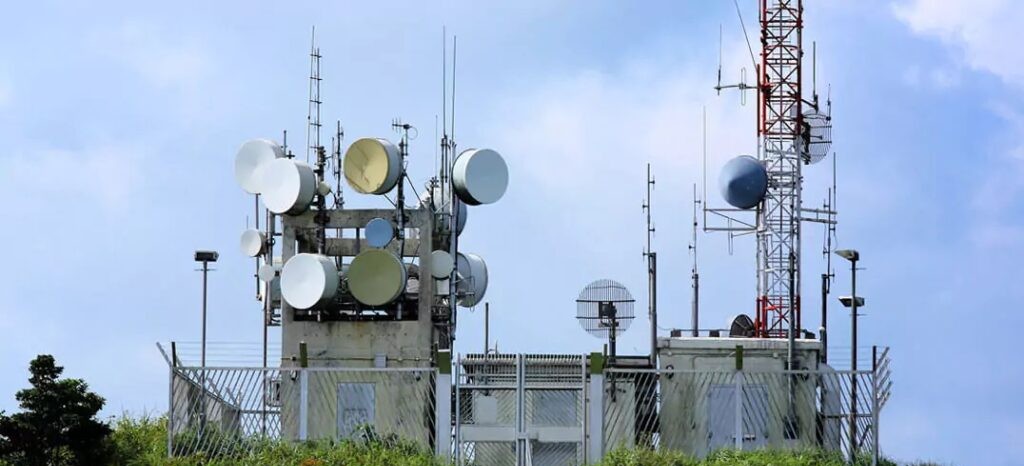
- Remote and rural base stations
- Indoor and outdoor cabinets
Wholesale lithium batteries for telecom must therefore offer consistent performance across varied environmental conditions and installation constraints.
Regulatory and SLA-Driven Backup Duration
Telecom operators are often required to meet minimum backup time obligations defined by regulators or service-level agreements. Battery selection and sizing directly affect compliance and operational risk.
Common Telecom Applications for Wholesale Lithium Batteries
Wholesale lithium batteries support multiple layers of telecom infrastructure, each with slightly different performance priorities.
Radio Access Network (RAN) Sites
RAN sites rely on backup batteries to maintain connectivity during grid interruptions. Space constraints, weight limits, and thermal performance are key considerations when sourcing lithium batteries at scale.
Core Network and Switching Facilities
In larger facilities, lithium batteries support backup systems that bridge power until generators engage or utility power is restored. Here, reliability and system integration take priority over energy density.
Edge and Small-Cell Deployments
Small-cell and edge sites demand compact, standardized battery solutions that can be deployed rapidly and maintained remotely, making wholesale consistency critical.
For a deeper dive into telecom-specific power system design and battery integration, buyers often reference this dedicated overview: Telecom Battery Backup and Power Solutions.
Key Technical Criteria When Sourcing Wholesale Lithium Batteries for Telecom
Professional telecom buyers evaluate lithium batteries against a focused set of technical and operational benchmarks.
Voltage Standards and System Compatibility
Most telecom infrastructure is standardized around 48V or 51.2V DC systems. Wholesale lithium batteries must integrate seamlessly with rectifiers, power distribution units, and monitoring platforms already deployed in the network.
Battery Management System (BMS) and Remote Monitoring
Telecom operators place high value on intelligent BMS features, including:
- Real-time state-of-charge monitoring
- Fault detection and alarms
- Remote communication via common protocols
These capabilities reduce site visits and improve network uptime.
Standby Performance and Calendar Life
Unlike ESS batteries that cycle daily, telecom batteries spend most of their life in standby. Buyers therefore prioritize calendar life, float performance, and low degradation over time.
Environmental and Thermal Resilience
Wholesale lithium batteries for telecom must operate reliably across wide temperature ranges and in both indoor and outdoor enclosures, often without active cooling.
Compliance, Safety, and Certification in Telecom Battery Procurement
Compliance requirements are particularly strict in telecom deployments due to safety, regulatory, and insurance considerations.
Certifications Commonly Required
Telecom buyers typically require certifications such as UN38.3 for transportation and additional regional or application-specific safety standards depending on deployment geography.
Why Compliance Matters at Network Scale
Certification gaps can delay site rollouts, block regulatory approvals, or create systemic risk across the network. Wholesale sourcing helps centralize compliance management at the supplier level rather than site by site.
How Telecom Operators Evaluate Wholesale Lithium Battery Suppliers
Supplier selection is a strategic decision in telecom backup power planning.
Manufacturing Consistency and Supply Stability
Telecom projects often involve thousands of identical battery units deployed over multiple phases. Buyers assess whether suppliers can maintain consistent specifications and delivery timelines at scale.
Standardization and Long-Term Support
Wholesale telecom batteries must remain available over long network lifecycles. Operators favor suppliers that can support standardized models, firmware continuity, and long-term technical support.
Quality Control and Traceability
Batch-level traceability and testing documentation are essential for fault analysis and lifecycle management across large fleets of batteries.
Common Mistakes in Wholesale Telecom Battery Sourcing
- Selecting batteries optimized for cycling rather than standby operation
- Underestimating the importance of remote monitoring and BMS communication
- Mixing battery models across sites, increasing maintenance complexity
- Focusing on upfront cost instead of lifecycle reliability
Avoiding these mistakes helps telecom operators reduce operational risk and total cost of ownership.
When Wholesale Lithium Batteries Make Sense for Telecom Backup
Wholesale sourcing is most effective when telecom deployments involve:
- Network-wide upgrades or technology refresh cycles
- Multi-site rollouts with standardized designs
- Long-term backup power compliance requirements
In these scenarios, wholesale lithium batteries provide consistency, scalability, and predictable lifecycle performance.
Conclusion: Building a Scalable Telecom Backup Battery Strategy
Wholesale lithium batteries for telecom backup are not commodity components—they are critical infrastructure assets. Successful sourcing requires a clear understanding of telecom-specific operating conditions, rigorous supplier evaluation, and a long-term view of network reliability. By aligning battery selection with telecom realities rather than generic energy storage assumptions, operators can build resilient backup power systems that support uninterrupted connectivity at scale.
Recommended Reading
- Wholesale Lithium Batteries — How to Source Reliable, Scalable Battery Solutions for Commercial and Industrial Projects — Parent guide covering wholesale lithium battery procurement frameworks across ESS, UPS, and telecom applications.
- Telecom Battery Backup and Power Solutions — Dedicated overview of telecom-specific backup battery design and integration considerations.