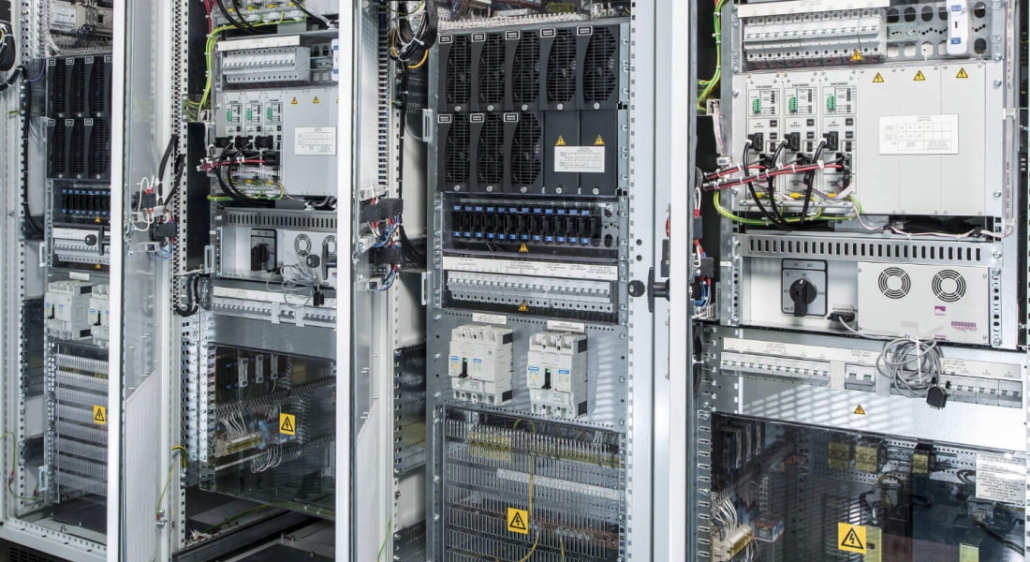
Wholesale Industrial UPS Power: How Large-Scale Industrial Projects Source Reliable and Scalable Backup Systems
Industrial facilities depend on uninterrupted power to protect production continuity, data integrity, and safety-critical processes. As industrial systems become more automated and digitally controlled, the role of wholesale industrial UPS power has shifted from optional backup equipment to a core part of infrastructure planning.
This article explains how large-scale industrial projects evaluate, design, and procure UPS power systems at scale—covering technical requirements, battery strategy, compliance, and wholesale procurement considerations.
What Is Wholesale Industrial UPS Power?
Wholesale industrial UPS power refers to the procurement and deployment of industrial-grade uninterruptible power supply systems designed to support high-load, mission-critical applications across factories, industrial data centers, utilities, and infrastructure projects.
Unlike commercial or office UPS systems, industrial UPS power solutions are:
- Engineered for higher capacity (tens of kVA to multi-MVA)
- Designed for harsh electrical and environmental conditions
- Procured as part of system-level projects rather than single-unit purchases
- Evaluated based on lifecycle cost, redundancy, and long-term reliability
Typical Applications for Industrial UPS Power Systems
Manufacturing and Automated Production Lines
UPS systems protect PLCs, robotics, control systems, and quality monitoring equipment from power disturbances that can cause costly downtime or product defects.
Industrial Data Centers and Edge Facilities
Many industrial sites operate on-premise or edge data centers where UPS systems must integrate with generators and battery storage to ensure continuous operation.
Utilities, Oil & Gas, and Process Industries
In these environments, UPS systems support control rooms, SCADA systems, and safety instrumentation, where power loss can pose operational or safety risks.
Transportation and Mission-Critical Infrastructure
Rail systems, ports, and industrial logistics hubs rely on UPS power to maintain signaling, communications, and automated control during grid instability.
Core Technical Requirements in Industrial UPS Projects
Power Range, Redundancy, and Scalability
Industrial UPS systems are typically specified from 10 kVA up to several megawatts. Redundancy strategies such as N+1 or 2N architectures are common, particularly where downtime costs are high. Modular UPS designs are increasingly favored for facilities that expect load growth.
Industrial Power Quality and Environmental Tolerance
Industrial grids often experience voltage fluctuations, harmonics, and transient disturbances. UPS systems must tolerate wide input voltage ranges while operating reliably in environments with elevated temperatures, dust, or vibration.
UPS Topology Selection for Industrial Use
Online double-conversion UPS architectures dominate industrial applications due to their ability to provide consistent, conditioned power regardless of grid quality. Topology selection should align with load sensitivity, redundancy requirements, and maintenance strategy.
(For a deeper comparison, see the distinction between UPS applications and topology selection.)
Battery Strategy for Wholesale Industrial UPS Power
VRLA vs Lithium Batteries in Industrial UPS
Valve-regulated lead-acid (VRLA) batteries remain common due to familiarity and lower upfront cost. However, lithium battery systems are increasingly adopted in industrial UPS projects where space constraints, high cycling, or long service life are critical.
Lifecycle Cost, Maintenance, and Safety
Battery selection directly affects total cost of ownership. Factors such as replacement frequency, maintenance labor, cooling requirements, and monitoring capabilities often outweigh initial battery price in large-scale deployments.
When Lithium UPS Batteries Make Sense at Scale
Lithium UPS batteries are particularly attractive in:
- High-temperature industrial environments
- Facilities with limited floor space
- Projects prioritizing long-term operational efficiency
These considerations align closely with wholesale UPS battery sourcing strategies rather than retail replacement decisions.
Compliance, Standards, and Project Risk Control
Industrial UPS systems must comply with regional and application-specific standards, including UL, IEC, and IEEE requirements. Beyond certification, project risk control depends on proper factory acceptance testing (FAT), site acceptance testing (SAT), and commissioning procedures to ensure systems perform as designed.
How Wholesale Procurement Works for Industrial UPS Power
OEM, System Integrator, and Battery Supplier Roles
Industrial UPS projects often involve multiple stakeholders. OEMs supply UPS hardware, integrators handle system design and commissioning, while battery suppliers play a critical role in ensuring long-term reliability and scalability.
Lead Time, Project Phasing, and Logistics
Wholesale procurement emphasizes delivery reliability, phased installation, and coordination with construction schedules. Battery logistics and installation planning are especially critical for large-capacity systems.
Why “Wholesale” Is About Risk, Not Just Price
In industrial projects, wholesale procurement is less about unit pricing and more about minimizing operational risk through consistent quality, long-term support, and supply continuity.
Common Mistakes in Industrial UPS Wholesale Projects
- Focusing only on UPS hardware while underestimating battery performance
- Ignoring environmental impacts on battery lifespan
- Designing systems with limited scalability
- Treating UPS procurement as a one-time purchase rather than a long-term infrastructure decision
How to Evaluate a Wholesale Industrial UPS Power Supplier
A reliable supplier should demonstrate:
- Proven experience in industrial-scale projects
- Technical support across design, commissioning, and operation
- Scalable battery solutions aligned with project lifecycle needs
- Long-term supply stability and compliance expertise
Final Thoughts: Building Reliable Industrial UPS Power at Scale
Wholesale industrial UPS power is a strategic infrastructure decision that directly impacts operational continuity, safety, and long-term cost. By approaching UPS procurement from both engineering and procurement perspectives, industrial facilities can build resilient power systems designed to scale with future demands.
For readers looking for a broader overview of industrial UPS architectures, application scenarios, and system-level design considerations, our Industrial UPS Solution Hub provides a structured introduction to how industrial-grade UPS systems are planned, specified, and deployed across different mission-critical environments.