Utility-Scale Battery Storage Systems: Architecture, Capacity Planning, and Deployment Models for Grid-Scale Projects
Utility-scale battery storage systems are rapidly becoming a foundational component of modern power infrastructure. As renewable energy penetration increases and electricity demand patterns become more complex, large-scale battery energy storage systems (BESS) allow utilities and energy developers to stabilize the grid, manage peak demand, and maximize renewable energy utilization.
For project developers, utilities, and EPC contractors, understanding how these systems are designed, sized, and deployed is essential for planning reliable grid-scale energy projects. This guide explains the architecture of utility-scale battery storage systems, how capacity planning works, and the common deployment models used in modern grid projects.
What Are Utility-Scale Battery Storage Systems?
Utility-scale battery storage systems are large energy storage installations designed to operate at the grid level. Unlike residential or commercial energy storage, these systems typically operate in the tens to hundreds of megawatts (MW) and store hundreds of megawatt-hours (MWh) of electricity.
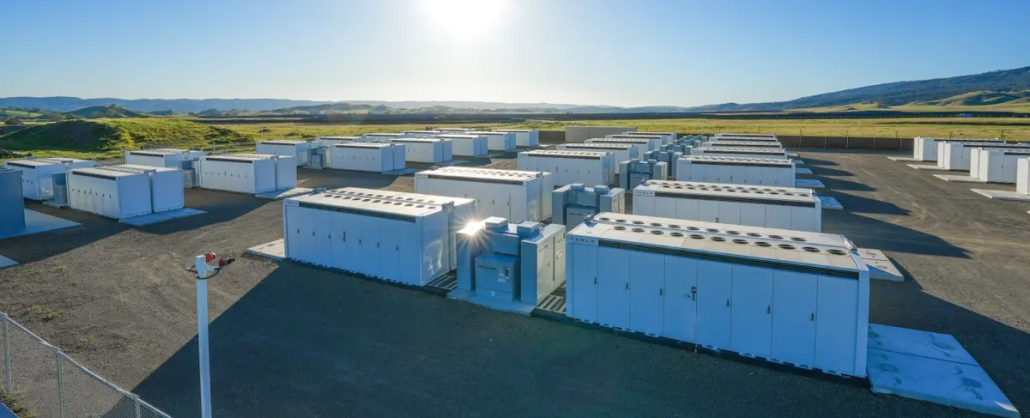
In most projects, batteries are deployed as containerized systems connected to power conversion equipment and grid control systems. These installations are used by utilities, renewable energy developers, and independent power producers to store electricity and release it when needed.
Typical characteristics include:
- Power capacity ranging from 10 MW to 500 MW or more
- Storage duration between 2 and 8 hours
- Modular containerized battery systems
- Integrated power conversion systems (PCS)
- Energy management and grid control software
Utility-scale storage differs significantly from smaller energy storage systems because it must meet strict requirements for grid stability, safety, and operational reliability.
Why Utility-Scale Battery Storage Is Becoming Critical for Modern Power Grids
The rapid expansion of renewable energy has fundamentally changed how power grids operate. Solar and wind power are inherently variable, and their output does not always match real-time electricity demand.
Utility-scale battery storage solves this challenge by acting as a flexible energy buffer.
Key drivers behind the growth of grid-scale battery storage include:
Renewable Energy Integration
Wind and solar generation can fluctuate based on weather conditions. Battery storage allows excess renewable energy to be stored and dispatched later, improving overall grid efficiency.
Peak Demand Management
Electricity demand often spikes during certain hours of the day. Utility-scale storage allows operators to store power during low-demand periods and release it during peak demand.
Grid Stability and Frequency Regulation
Large battery systems can respond to grid frequency deviations within milliseconds, making them highly effective for maintaining grid stability.
Transmission Infrastructure Optimization
In some regions, battery storage can reduce the need for costly grid infrastructure upgrades by managing local supply and demand.
As a result, many utilities now view battery storage as a core component of future grid architecture.
Architecture of Utility-Scale Battery Storage Systems
Utility-scale battery storage systems are complex integrated infrastructures composed of several key subsystems.
A typical system architecture includes:
Battery cells → battery modules → battery racks → containerized battery units → power conversion systems → grid connection
Each component plays a critical role in overall system performance.
Battery Modules and Racks
Individual lithium battery cells are assembled into modules, which are then mounted into racks. These racks are installed inside large battery containers.
This modular structure allows systems to scale easily depending on project requirements.
Containerized Battery Systems
Most modern utility-scale storage systems are deployed using standardized containers. These containers typically include:
- Battery racks
- Battery management systems (BMS)
- Fire protection systems
- Thermal management systems
Containerized systems simplify transportation, installation, and system expansion.
Power Conversion System (PCS)
The PCS converts DC power from batteries into AC power compatible with the electrical grid. It also controls the charging and discharging of the battery system.
High-efficiency PCS units are essential for maximizing system performance and minimizing energy losses.
Energy Management System (EMS)
The EMS is the control center of the entire storage installation. It manages:
- battery charging schedules
- grid dispatch signals
- energy market participation
- system monitoring and safety control
Together, these components create a fully integrated energy storage system capable of supporting grid operations.
Capacity Planning for Utility-Scale Battery Projects
Designing a utility-scale battery storage project requires careful capacity planning. Developers must determine both the power rating (MW) and energy capacity (MWh) required for the project.
A simplified planning model looks like this:
Energy Capacity (MWh) = Power Rating (MW) × Storage Duration (hours)
For example:
| Power Rating | Storage Duration | Total Capacity |
| 50 MW | 2 hours | 100 MWh |
| 100 MW | 4 hours | 400 MWh |
| 250 MW | 4 hours | 1000 MWh |
Typical Storage Durations
Most grid-scale battery systems today fall into several standard configurations:
- 2-hour systems – used for frequency regulation and short-term balancing
- 4-hour systems – common for renewable energy integration
- 6–8 hour systems – increasingly used for deep peak shifting
Project economics, grid requirements, and renewable generation profiles all influence the final system design.
Key Applications of Utility-Scale Battery Storage
Utility-scale battery systems support a wide range of grid services.
Renewable Energy Firming
When paired with solar or wind farms, battery systems smooth power output and reduce intermittency.
This approach is increasingly common in large solar projects where batteries store midday excess energy and release it during evening demand peaks.
Frequency Regulation
Grid frequency must remain extremely stable. Battery systems can respond within milliseconds, making them ideal for balancing supply and demand in real time.
Peak Shaving and Load Shifting
Battery storage allows electricity generated during low-demand periods to be used during peak demand, reducing stress on generation infrastructure.
Capacity Market Participation
In some energy markets, battery storage systems participate in capacity markets and ancillary service markets, creating additional revenue streams for project developers.
Deployment Models for Utility-Scale Battery Storage
Utility-scale battery systems can be deployed using several common project models depending on grid requirements and ownership structures.
Standalone Battery Storage Projects
In this model, the battery storage facility operates independently and participates directly in electricity markets.
Standalone projects are common in regions with advanced energy markets that allow storage to trade energy and grid services.
Solar-Plus-Storage Projects
Battery systems are frequently integrated with utility-scale solar farms to improve energy dispatch flexibility.
Many large solar plants now include co-located battery storage to maximize renewable energy value.
Developers exploring solar-plus-storage architectures often evaluate supplier capabilities and integration options when sourcing energy storage systems, as discussed in this guide to
https://leochlithium.us/solar-battery-supplier-how-installers-and-epc-contractors-source-reliable-lithium-energy-storage/
Grid Support Installations
Utilities sometimes deploy battery systems specifically to strengthen local grid infrastructure, particularly in areas experiencing transmission constraints.
These installations can defer costly grid expansion projects.
How Utilities and Developers Select Battery Storage System Manufacturers
Selecting the right battery storage partner is a critical step in any large-scale energy storage project. Developers must evaluate both system performance and supplier capabilities.
Key evaluation criteria typically include:
- battery technology reliability
- system integration capability
- safety certifications
- lifecycle cost and degradation
- long-term maintenance support
Many project developers also prefer manufacturers that can provide fully integrated containerized BESS solutions rather than standalone battery components.
A detailed overview of how utilities and project developers evaluate suppliers can be found in this procurement guide:
https://leochlithium.us/battery-energy-storage-system-manufacturers-how-to-identify-reliable-partners-for-commercial-and-utility-projects/
Challenges in Utility-Scale Battery Deployment
Despite their advantages, utility-scale battery storage projects must address several technical and regulatory challenges.
Safety and Thermal Management
Large lithium battery systems require robust fire protection and temperature control systems to ensure safe operation.
Grid Interconnection Requirements
Connecting large battery systems to transmission infrastructure involves complex grid approval processes.
Land and Infrastructure Planning
Large storage installations may require several acres of land and must meet local environmental regulations.
Supply Chain and Project Integration
Successful deployment requires coordination between battery manufacturers, EPC contractors, and grid operators.
The Future of Utility-Scale Battery Storage
The next decade is expected to see rapid growth in utility-scale energy storage deployment worldwide. Several technological and market trends are shaping the future of the industry.
Longer Duration Energy Storage
Battery systems capable of 6–12 hours of storage are gaining interest as renewable penetration increases.
Hybrid Energy Systems
Projects combining solar, wind, and battery storage are becoming common as developers optimize renewable energy output.
Advanced Battery Technologies
While lithium-ion batteries currently dominate the market, alternative technologies such as sodium-ion and long-duration storage systems are being actively explored.
As the global energy transition accelerates, utility-scale battery storage systems will play a critical role in building resilient, low-carbon power grids.
Conclusion
Utility-scale battery storage systems are transforming how modern power grids operate. By enabling flexible energy storage, supporting renewable integration, and enhancing grid stability, these systems have become a key infrastructure investment for utilities and energy developers worldwide.
Understanding system architecture, capacity planning, and deployment models is essential for anyone involved in grid-scale energy projects. As technology advances and deployment expands, battery storage will continue to shape the future of global electricity systems.