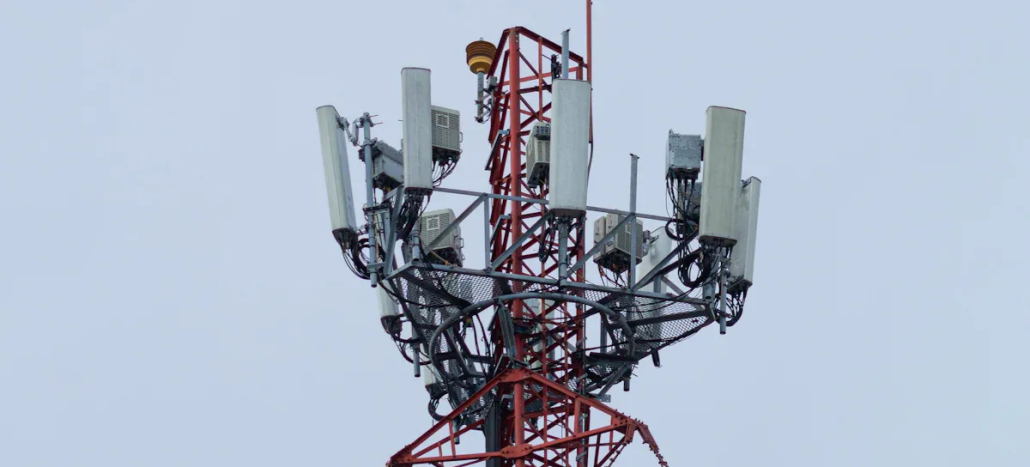
Telecom DC Power Systems: Architecture, Battery Integration and System Design for Modern Networks
What Is a Telecom DC Power System?
A telecom DC power system is a centralized power architecture that converts AC utility input into regulated DC output—typically -48V DC—to supply telecommunications infrastructure such as base stations, transmission equipment, routers, microwave backhaul units, and switching systems.
It integrates:
- Rectifier modules
- DC distribution panels
- Battery backup banks
- Monitoring and control units
- Redundancy architecture
Unlike general electrical systems, telecom DC systems are engineered for continuous uptime, remote operation, and seamless battery integration.
In modern networks, the DC power plant is not just backup infrastructure — it is a core reliability layer of the telecom ecosystem.
Why Telecom Networks Standardize on -48V DC
Telecom operators worldwide adopt -48V DC for technical and operational reasons:
- Safety Balance
Voltages under 60V DC are considered safer for human interaction, making -48V an optimal compromise between safety and efficiency.
- Reduced Corrosion
Negative grounding minimizes electrolytic corrosion on copper conductors, extending infrastructure lifespan.
- Native Battery Compatibility
DC architecture allows direct battery connection without inverter conversion, improving efficiency and reducing failure points.
- High Reliability
DC eliminates double conversion losses and simplifies redundancy design.
Global infrastructure providers such as Huawei, Vertiv, and Delta Electronics continue to design carrier-grade telecom power plants based on -48V DC architecture.
Core Components of a Telecom DC Power System
A telecom DC power plant typically includes:
- Rectifier Modules
Rectifiers convert AC grid power into regulated -48V DC output.
Modern systems feature:
- Modular hot-swappable units
- N+1 redundancy
- 96%+ efficiency
- Intelligent digital monitoring
Rectifiers determine overall system scalability and reliability.
- DC Distribution Unit (DDU)
The DDU distributes DC output to:
- BTS equipment
- Optical transmission systems
- Routers and switches
- Microwave links
It incorporates breakers, fuses, surge protection, and segmented load management.
- Battery Backup System
The battery bank ensures autonomy during grid outages.
Historically dominated by VRLA batteries, telecom infrastructure is now rapidly shifting toward lithium solutions due to lifecycle advantages.
For a comprehensive breakdown of battery technologies, lifecycle comparison, and deployment strategies in telecom networks, see:
This battery-level guide complements the system-level understanding presented in this article.
- Monitoring and Intelligent Control
Modern telecom DC systems integrate:
- Real-time voltage/current monitoring
- Temperature sensing
- Alarm logging
- SNMP-based remote management
Intelligent control reduces maintenance costs and enables predictive diagnostics.
- Redundancy Architecture
Carrier-grade systems typically implement:
- N+1 rectifier redundancy
- Dual AC inputs
- Independent battery strings
Redundancy design directly affects SLA compliance and uptime performance.
Battery Integration Strategy in Modern Telecom DC Systems
Battery selection is a strategic infrastructure decision.
VRLA (Lead-Acid) Batteries
Advantages:
- Lower initial cost
- Established deployment history
Limitations:
- 3–5 year lifespan
- High maintenance
- Heavy footprint
- Temperature sensitivity
Lithium Telecom Batteries (LiFePO₄)
Increasingly preferred for:
- 5G macro base stations
- Edge computing nodes
- Remote solar-hybrid sites
Benefits:
- 8–15 year service life
- Higher energy density
- Deep discharge capability
- Integrated BMS monitoring
- Reduced total cost of ownership
As telecom networks densify under 5G rollouts, lithium adoption continues to accelerate.
Telecom DC Power Systems Across Deployment Scenarios
Macro Base Stations
Typical requirements:
- 3kW–15kW capacity
- N+1 redundancy
- 2–8 hour battery autonomy
5G increases load density significantly.
Small Cells
Urban small-cell sites demand:
- Compact wall-mounted DC systems
- Limited but reliable battery capacity
- Minimal maintenance footprint
Space optimization is critical.
Rural & Off-Grid Sites
Remote deployments integrate:
- Solar arrays
- Diesel generators
- Hybrid controllers
Energy management becomes as important as backup runtime.
Edge Data Centers
Telecom operators deploying edge computing require:
- Higher power density
- Tight integration with IT infrastructure
- Enhanced monitoring capabilities
DC systems increasingly intersect with data center power architecture.
How to Size a Telecom DC Power System
Proper system sizing requires structured engineering analysis.
Step 1: Calculate Total Equipment Load
Aggregate all connected equipment consumption at -48V DC.
Step 2: Add Growth Margin
Add 20–30% scalability buffer.
Step 3: Define Required Autonomy Time
Typical benchmarks:
- Urban sites: 1–2 hours
- Critical backbone sites: 4+ hours
- Remote sites: 6–24 hours
Step 4: Design Redundancy
Adopt N+1 rectifier architecture to eliminate single points of failure.
Step 5: Evaluate Environmental Conditions
High ambient temperature significantly reduces battery lifespan; cooling must be factored into system design.
Selecting a Telecom DC Power System Supplier
Supplier selection should extend beyond hardware specifications.
Key evaluation criteria include:
- Rectifier efficiency
- Battery compatibility (VRLA & Lithium)
- Monitoring integration capability
- Scalability for network expansion
- Deployment track record
Major global providers such as Eaton and ZTE offer complete solutions, but many operators evaluate specialized system integrators based on cost-performance optimization.
To clearly understand whether your project requires a battery manufacturer, system integrator, or full telecom power solution provider, see:
Procurement Due Diligence and Audit Framework
Large-scale telecom deployments require structured supplier evaluation.
Beyond technical comparison, procurement teams should conduct:
- Manufacturing capability assessment
- Quality control process review
- BMS and firmware validation
- Long-term support verification
For a practical audit methodology tailored to telecom projects, refer to:
This ensures supplier alignment with long-term network reliability strategy.
Future Trends: The Evolution of Telecom DC Power Infrastructure
Telecom DC systems are evolving in response to industry shifts.
- 5G and High-Density Power Demand
Massive MIMO and higher data throughput increase power draw per site.
- Lithium-First Deployment Policies
Operators increasingly standardize lithium batteries for new builds.
- AI-Driven Energy Monitoring
Predictive analytics improve maintenance planning and reduce downtime.
- Hybrid Renewable Integration
Carbon reduction initiatives accelerate integration of solar and hybrid energy telecom sites.
DC systems are transitioning from passive backup infrastructure to intelligent energy management platforms.
Conclusion
Telecom DC power systems form the backbone of modern communication networks. From rectifier architecture and redundancy design to battery integration strategy and supplier evaluation, every element contributes to network uptime and operational resilience.
As 5G expansion, edge computing, and sustainability initiatives reshape telecom infrastructure, the importance of well-designed DC power systems will only grow.
For professionals building or upgrading telecom networks, understanding both system-level architecture and battery-level integration is essential for achieving long-term reliability and cost efficiency.