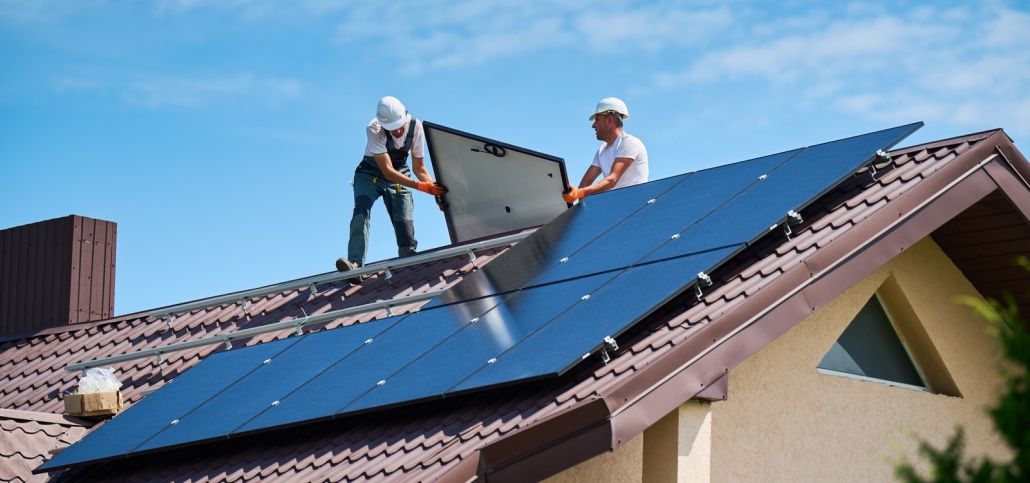
Solar Batteries for Home: Complete Guide to Choosing the Right Energy Storage System
What Are Solar Batteries for Home?
Solar batteries for home are energy storage systems that store electricity generated by solar panels for later use. They allow homeowners to use solar power at night, reduce reliance on the grid, and provide backup power during outages. The right system depends on energy consumption, budget, and whether backup or full-home coverage is required.
In a typical residential solar setup, excess energy produced during the day is stored in batteries instead of being sent back to the grid—making your energy usage more flexible and efficient.
Why Homeowners Are Installing Solar Batteries
The adoption of home energy storage is growing rapidly due to several practical benefits:
- Lower Electricity Bills
Store excess solar energy and use it during peak pricing hours.
- Backup Power During Outages
Keep essential appliances running when the grid goes down.
- Energy Independence
Reduce reliance on utility companies and unstable grid infrastructure.
- Better Solar Utilization
Avoid wasting surplus solar generation.
👉 These benefits are especially important in regions with high electricity costs or unreliable grid supply.
How Do Solar Batteries Work in a Home System?
A home solar + storage system typically works like this:
- Solar panels generate electricity during the day
- Electricity powers your home in real time
- Excess energy is stored in the battery
- Stored energy is used at night or during outages
Key components include:
- Solar panels
- Inverter (or hybrid inverter)
- Battery system
- Energy management system
👉 The system automatically switches between solar, battery, and grid power depending on availability and demand.
How to Choose the Right Solar Battery Size
Choosing the correct battery size is one of the most important decisions.
Key factors to consider:
- Daily energy consumption (kWh)
- Backup requirements (essential loads vs whole home)
- Desired backup duration (hours or days)
- Solar system size
👉 For a detailed step-by-step sizing method, refer to this guide:
https://leochlithium.us/residential-solar-battery-storage-system-design-capacity-and-how-to-choose-the-right-home-energy-storage-solution/
Types of Solar Batteries (Lithium vs Lead-Acid vs Others)
There are several battery technologies available, but two dominate residential systems:
Lithium Batteries (LiFePO4)
- Long lifespan (3000–6000 cycles)
- High efficiency
- Maintenance-free
- Compact and lightweight
Lead-Acid Batteries
- Lower upfront cost
- Shorter lifespan
- Requires maintenance
- Less efficient
👉 In modern residential applications, lithium batteries have become the preferred choice due to better performance and lower lifetime cost.
How Much Do Solar Batteries for Home Cost?
The cost of a home solar battery system depends on multiple factors:
Typical cost range:
- Battery system: $5,000 – $15,000+
- Installation: $1,000 – $5,000
- Total system: $8,000 – $20,000+
What affects cost:
- Battery capacity (kWh)
- Brand and technology
- Installation complexity
- Local incentives or subsidies
👉 While upfront cost can be high, long-term savings and energy security often justify the investment.
What Really Matters When Choosing a Solar Battery
Instead of focusing only on brands, evaluate these key specifications:
- Cycle life (how many charge/discharge cycles)
- Depth of discharge (DoD)
- Round-trip efficiency
- Scalability (can you expand capacity later?)
- Safety and certifications
👉 These factors determine real-world performance and total cost of ownership.
Are Solar Batteries for Home Worth It?
The answer depends on your situation.
They are usually worth it if:
- You experience frequent power outages
- Electricity prices are high
- You want greater energy independence
- You already have (or plan to install) solar panels
ROI considerations:
- Energy savings over time
- Avoided outage costs
- Incentives or tax credits
👉 In many cases, solar batteries are not just a cost-saving tool—but a reliability and resilience investment.
Choosing the Right Supplier for Home Energy Storage
Selecting the right supplier is just as important as choosing the battery itself.
Instead of focusing only on product specs, consider:
- System integration capabilities
- Quality control and certifications
- Scalability for future expansion
- Technical support and after-sales service
👉 For a deeper understanding of how to evaluate suppliers, refer to:
https://leochlithium.us/solar-battery-supplier-how-installers-and-epc-contractors-source-reliable-lithium-energy-storage/
From Home Storage to Scalable Energy Solutions
For homeowners, solar batteries improve daily energy use.
For businesses and large projects, similar technologies scale into full energy storage systems.
👉 If you’re exploring larger or commercial applications, this guide explains how to evaluate energy storage partners:
https://leochlithium.us/battery-energy-storage-system-manufacturers-how-to-identify-reliable-partners-for-commercial-and-utility-projects/
Final Thoughts
Solar batteries for home are no longer a niche upgrade—they are becoming a core part of modern energy systems.
They allow you to:
- Store and use your own energy
- Reduce reliance on the grid
- Improve energy security
👉 The key is not just choosing a battery—but choosing the right system design and long-term solution.
Need Help Choosing the Right Solar Battery System?
If you’re evaluating solar batteries for home use—whether for backup power, energy savings, or system integration—getting the right configuration is critical.
👉 Contact us for tailored recommendations based on your application and project needs:
https://leochlithium.us/contact-us/