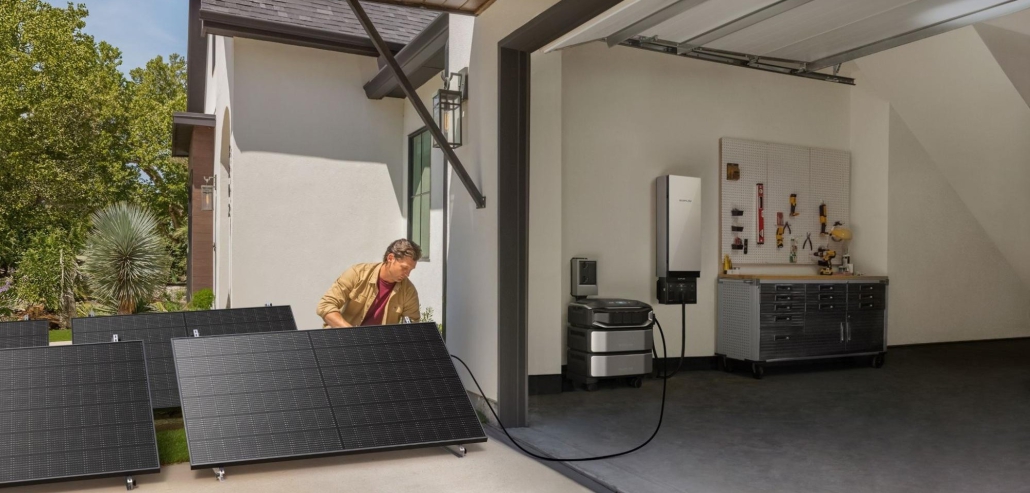
Residential Backup Power Systems: Planning, Sizing, and Reliability for Modern Homes
As power outages become increasingly common due to extreme weather and aging infrastructure, more homeowners are exploring residential backup power systems to protect essential household loads. Beyond just providing convenience, these systems ensure continuity for critical appliances like refrigeration, internet routers, medical devices, and lighting, helping households maintain safety, comfort, and productivity during outages.
Key Components of a Residential Backup System
A reliable residential backup system typically consists of:
- Batteries: Lithium-ion batteries are popular for their high efficiency, long lifespan, and compact size, making them ideal for home use. They store energy for immediate or future use during outages.
- Inverters / UPS: Convert stored DC power to AC and provide seamless power transfer when the grid goes down. A UPS component ensures sensitive electronics are protected from voltage fluctuations.
- Energy Management Systems: Smart controllers optimize when to draw from the grid, charge batteries, and supply backup power, balancing reliability and cost savings.
- Optional Solar Integration: Paired with solar panels, batteries can store excess daytime generation to support backup during evening hours, reducing reliance on the grid.
Each component works together to improve reliability, ensure uninterrupted power, and provide flexibility in energy usage.
Sizing and Load Considerations
Determining the right size for a residential backup system begins with analyzing your household energy requirements:
- Identify Critical Loads: Determine which appliances and systems must remain operational during outages.
- Calculate Energy Requirements: Sum up the wattage and expected runtime of essential devices.
- Select Battery Capacity and Inverter Size: Ensure the system can supply sufficient power for the intended duration, while leaving room for future expansion if needed.
Proper sizing ensures that the system delivers reliable performance without over-investing in unnecessary capacity.
Integration with Home Energy Solutions
Residential backup systems are most effective when integrated into broader home energy solutions. Energy management systems coordinate between solar generation, battery storage, and grid supply to optimize energy use while ensuring essential loads are covered. Modern systems also allow for modular expansion, enabling homeowners to scale their backup capabilities as their needs evolve.
Safety, Compliance, and Maintenance
Safety is critical for any residential backup system:
- Ensure all batteries and inverters meet relevant safety certifications (UL, IEC, or local standards).
- Maintain adequate ventilation and fire protection for battery installations.
- Schedule regular inspections to monitor battery health, inverter performance, and system functionality.
These measures protect both property and household members while extending system lifespan.
Conclusion
Residential backup power systems provide households with resilience, control, and peace of mind. By carefully planning system components, sizing for critical loads, and integrating with home energy solutions, homeowners can build a reliable and future-ready backup solution.
For those interested in scaling, sourcing, or designing repeatable backup systems, the Wholesale Home Backup Power Supply guide offers a detailed framework on how to approach complete residential backup system planning, procurement, and deployment.