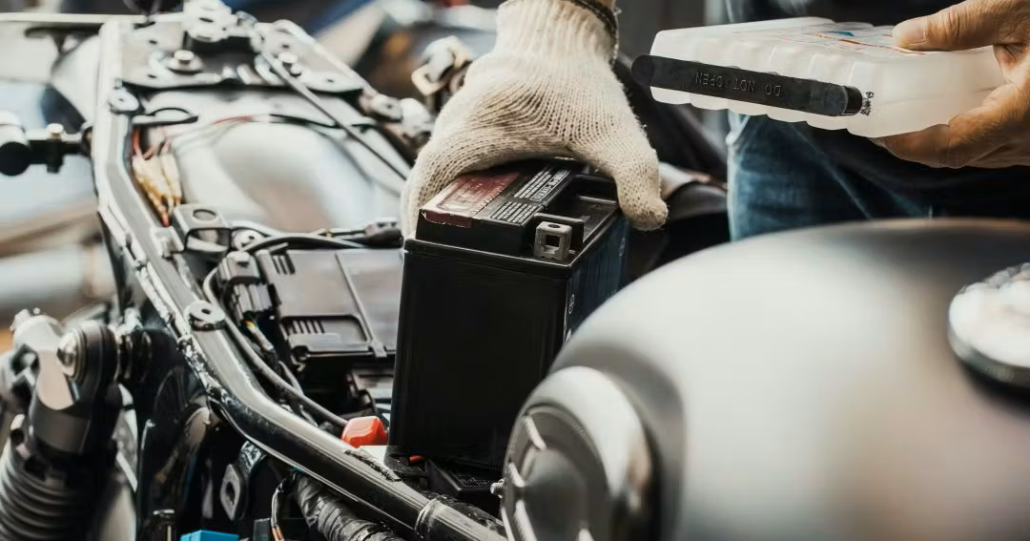
Motorcycle Battery Replacement Cost: What Riders Should Expect and How to Choose the Right Option
A dead or weakening motorcycle battery is one of the most common reasons riders visit a repair shop. Whether you’re noticing slow cranking, dim lights, difficulty starting after storage, or a battery that simply won’t hold a charge, replacement often becomes the most efficient solution. But how much should you expect to spend? And does it make sense to upgrade to a better battery type instead of buying the cheapest option?
This guide breaks down motorcycle battery replacement cost in clear, practical terms—covering battery types, labor costs, model-specific factors, and long-term cost differences between lead-acid and lithium. It’s written for both everyday riders and B2B professionals such as dealers and repair shops who want a reliable reference for pricing and best practices.
- What Is the Typical Motorcycle Battery Replacement Cost?
Motorcycle battery replacement cost varies widely depending on the battery chemistry, size, brand, and the complexity of the motorcycle itself. Generally, riders can expect:
Average Replacement Cost
| Battery Type | Estimated Battery Cost | Typical Installed Cost (Battery + Labor) |
| Flooded Lead-Acid | $40–$90 | $60–$120 |
| AGM (Absorbent Glass Mat) | $70–$150 | $100–$220 |
| Gel | $90–$180 | $120–$250 |
| Lithium (LiFePO4) | $120–$400 | $150–$500 |
Many online search results quote broad ranges but fail to explain why the cost varies so much. In reality, the price you pay comes from a combination of factors:
- Battery chemistry
- Motorcycle size and current draw
- Replacement difficulty
- Dealer labor rates
- Whether you choose a standard or premium battery solution
Understanding these cost drivers helps prevent overpaying and ensures you choose the most cost-effective long-term option.
- Battery Cost by Type: Lead-Acid vs. AGM vs. Lithium
Not all motorcycle batteries are built the same—and prices reflect that. Here’s what each type offers and why costs differ.
2.1 Flooded Lead-Acid (Cheapest Upfront)
- Cost: $40–$90
- Pros: Lowest price, widely available
- Cons: Short lifespan (1–2 years), sulfation issues, requires maintenance, poor cold-start performance
These batteries appeal to budget-focused riders but often end up costing more over time because of their short lifespan.
2.2 AGM (The Most Common Choice Today)
- Cost: $70–$150
- Pros: Maintenance-free, more durable than flooded, vibration resistant
- Cons: Still limited lifespan compared to lithium
AGM is the standard choice for many mid-range and high-end motorcycles.
2.3 Gel Batteries (Niche Option)
- Cost: $90–$180
- Pros: Good deep-cycle characteristics
- Cons: Lower cold-cranking ability, can be over-priced compared with AGM
Gel batteries are less common today and typically used in specialized situations.
2.4 Lithium (LiFePO4): The Premium but Cost-Effective Choice
- Cost: $120–$400
- Pros:
- 3–5× longer lifespan
- Extremely lightweight—significant weight reduction for sport and touring bikes
- Delivers strong cold cranking amps
- Very low self-discharge (ideal for seasonal storage)
- Faster charging
- Cons: Higher initial price
For riders who want reliability, performance, and long-term value, lithium batteries often provide the lowest total cost of ownership—even though the upfront price is higher.
If you’re considering a lithium upgrade, you can explore high-performance options here:
👉 12V Lithium Motorcycle Starts Battery
https://leochlithium.us/12v-motocycle-starts-lithium-battery-2/
- Labor Cost: How Much Does Installation Add?
Motorcycle battery replacement labor varies depending on:
- Location of the battery (under seat vs. behind fairings)
- How many panels must be removed
- Whether the bike uses advanced electronics
- Whether the shop performs a charging system test
Typical labor cost range: $10–$120
Examples
- Small commuter bikes (Honda Grom, Rebel, 150–300cc): $10–$20
- Sport bikes (Yamaha R6, Kawasaki ZX series): $20–$40
- Adventure bikes (BMW GS, Africa Twin): $40–$80
- Touring bikes (Harley-Davidson Touring, Indian Chief): $60–$120
Labor cost tends to rise with larger bikes because battery compartments may require partial disassembly of body panels or saddlebags.
- Model-Specific Factors That Affect Replacement Cost
Different motorcycles have different charging demands and battery configurations. These differences directly impact price.
4.1 Small displacement bikes (125cc–300cc)
- Lower cost batteries
- Easy access
- $60–$150 total replacement cost
4.2 Sport bikes
- Tend to use AGM or lightweight lithium
- Fairings add labor time
- $120–$250 total cost
4.3 Cruisers (Harley-Davidson, Indian, Yamaha Star)
- Large engines → need higher CCA batteries
- Battery location is often more complex
- $150–$350 total cost
4.4 Touring and adventure motorcycles (BMW GS, Harley Touring, Honda Gold Wing)
- Higher power demands
- Larger or specialized battery types
- Integrated electronics may require reset or validation
- $180–$500 total cost
These are also the motorcycles where lithium upgrades deliver the most noticeable gains (cold crank ability, reliability, weight).
- When Does a Lithium Battery Become the Cheaper Option?
While lithium batteries cost more upfront, riders often save money across the battery’s lifespan.
Life Cycle Comparison
| Type | Typical Lifespan | Real-World Notes |
| Lead-Acid | 1–2 years | Frequent replacement, poor storage performance |
| AGM | 2–4 years | Reliable but still degradable under heat |
| Lithium | 5–10 years | With proper care, often lasts the life of the motorcycle |
Example TCO Comparison (10-year ownership)
- Lead-acid: replace 4–6 times → $200–$540
- AGM: replace 2–3 times → $180–$450
- Lithium: replace once → $120–$400
In nearly all scenarios, lithium becomes the lowest cost option long-term, especially for riders who store their motorcycle during winter or ride large displacement engines that strain batteries.
- Can Riders Replace a Motorcycle Battery Themselves?
Yes—many riders can replace the battery at home, especially if the battery is easily accessible. DIY replacement saves labor cost, but keep in mind:
Safe to DIY
- Small-displacement bikes
- Naked bikes
- Most dual-sport motorcycles
Recommended for Shop Replacement
- Bikes requiring major disassembly
- Motorcycles with CAN bus systems (BMW, KTM)
- Motorcycles with sensitive ECUs
- Touring motorcycles with integrated electronics
If you’re upgrading to lithium, it’s also good practice to:
- Confirm correct voltage
- Verify compatibility with charging system
- Perform resting voltage and alternator output tests
- Signs You Need a Battery Replacement (Not Just Charging)
Before spending money, check whether the battery truly needs replacement. Key signs include:
- Slow or weak cranking
- Clicking sound when starting
- Battery won’t hold a charge overnight
- Swollen casing
- Low resting voltage (below 12.4V for lead-acid)
- Age older than 3–4 years (lead-acid / AGM)
If two or more signs appear, replacement is usually the most cost-effective path.
- How to Choose the Right Battery for Your Motorcycle
Choosing the right battery isn’t just about price. Consider the following:
- Chemistry (Lead-acid / AGM / Lithium)
- Budget → Lead-acid
- Balanced performance → AGM
- Best long-term value → Lithium
- Cold Cranking Amps (CCA)
Higher CCA = better start performance
Critical for large V-twin engines (Harley, Indian).
- Capacity (Ah)
Affects reserve power and electronics stability.
- Fitment
Ensure correct size and terminal orientation.
- Riding style
- Touring / long-distance → lithium (stability + longevity)
- Short trips / city rides → AGM or lithium
- Seasonal storage → lithium (low self-discharge)
- Recommended Reading
If you’re exploring battery replacement for a specific motorcycle brand, the following guides may help:
- Harley-Davidson Motorcycle Battery Replacement: Why Now Is the Time to Go Lithium
- Indian Motorcycle Battery Replacement: Lithium Options Built for Dealers and Repair Professionals
- BMW Motorcycle Battery Replacement Guide: Steps, Costs, and Best Options
https://leochlithium.us/bmw-motorcycle-battery-replacement-guide-steps-costs-and-best-options/
- Kawasaki Motorcycle Battery Replacement: How to Choose and Upgrade Your Starter Battery
https://leochlithium.us/kawasaki-motocycle-battery-replacement-how-to-choose-and-upgrade-your-starter-battery/
These articles offer brand-specific recommendations and can help you better evaluate fitment, cost, and upgrade options.
Final Thoughts
Understanding motorcycle battery replacement cost is more than comparing prices—you also need to consider lifespan, performance, and how each battery type fits your riding needs. While lead-acid and AGM batteries have lower upfront costs, lithium batteries often deliver the best long-term value through extended lifespan, stronger performance, and fewer failures.
Whether you are a rider replacing your own battery or a dealer evaluating stocking options, choosing the right battery can significantly affect reliability and total ownership cost.