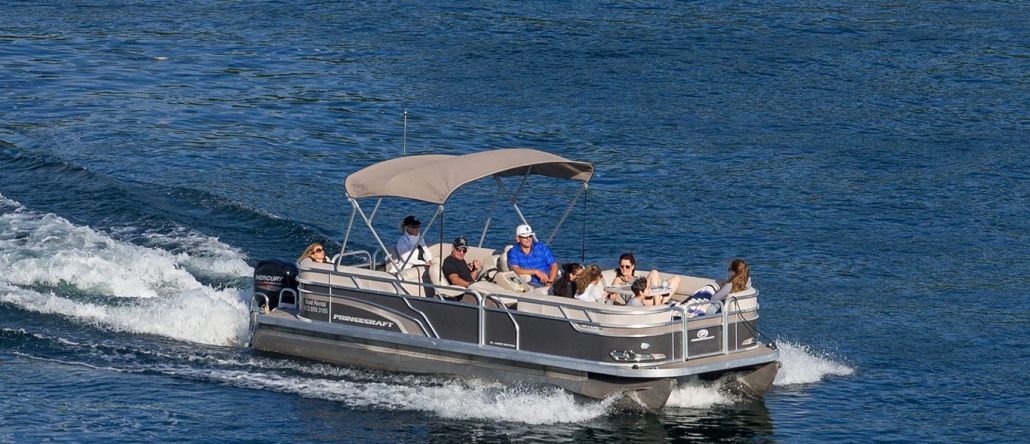
Marine and RV Battery: How to Choose the Right Battery for Reliable Mobile Power
Large-scale mobile power, whether for boats or recreational vehicles (RVs), relies on a reliable battery system. Marine and RV batteries are designed to provide stable, long-duration power for onboard electrical systems, supporting lighting, appliances, and auxiliary equipment rather than high starting currents. Understanding the differences and similarities between marine and RV batteries, along with proper selection and maintenance, ensures safe and efficient energy use while on the water or on the road.
What Are Marine and RV Batteries?
Marine and RV batteries are deep-cycle batteries engineered for sustained energy delivery over long periods. Unlike typical vehicle starting batteries that provide short bursts of high current, these batteries are built to power house loads such as:
- Marine: lighting, trolling motors, navigation equipment, onboard electronics
- RV: refrigerator, lighting, inverter loads, other auxiliary devices
Common characteristics include:
- Designed for repeated deep discharge cycles
- Available in lead-acid (flooded, AGM, GEL) and lithium (LiFePO₄) chemistries
- Compatible with standard 12 V or 24 V systems
By focusing on energy storage rather than starting power, a single marine and RV battery can often serve dual purposes in mobile applications.
Similarities and Differences Between Marine and RV Batteries
Similarities
- Both rely on deep-cycle performance
- Capable of repeated discharge/recharge
- Available in lead-acid and lithium formats
- Designed for mobile, off-grid energy applications
Differences
| Feature | Marine | RV |
| Environmental ruggedness | High corrosion and moisture resistance, vibration tolerance | Moderate, designed for road vibration and off-grid power |
| Capacity range | Typically smaller Ah for compact installations | Often higher Ah for extended off-grid usage |
| Physical form factor | Compact, robust casing for marine environments | Can prioritize capacity over compactness |
| Regulatory considerations | Marine safety certifications (UL, CE, ABYC standards) | Road safety and RV-specific installation guidelines |
Battery Types and Chemistry
Lead-Acid (Flooded / AGM / GEL)
- Cost-effective and widely available
- Limited depth of discharge (50–80 % recommended)
- Requires maintenance (flooded) or periodic inspection (AGM/GEL)
Lithium (LiFePO₄)
- Higher usable capacity (≈ 100 % depth of discharge)
- Long cycle life and lightweight
- Faster recharge and reduced maintenance
- Ideal for both marine and RV applications that demand consistent power and mobility
Recommended product for dual-use applications: 12 V LiFePO₄ battery
Key Selection Criteria
When choosing a marine and RV battery, consider:
- Capacity (Ah) and Depth of Discharge (DoD) – match battery size to expected load
- Cycle Life – determine how many discharge/recharge cycles the battery can handle
- Charging Compatibility – alternator, solar panels, or shore power systems
- Weight and Installation Constraints – especially for boats with space or balance limitations
- Environmental Conditions – temperature range, vibration, moisture, saltwater exposure
When to Upgrade to Lithium
Lithium batteries provide:
- Greater usable capacity per unit weight
- Longer service life, reducing replacement frequency
- Faster recharge, supporting multiple simultaneous loads
For mobile users, upgrading to lithium ensures reliable onboard power in both marine and RV settings, making it a versatile solution for dual-use applications.
Installation and Maintenance
- Secure mounting is essential to prevent damage during movement
- Flooded lead-acid batteries require ventilation and water top-ups
- AGM and LiFePO₄ batteries are maintenance-light
- Seasonal storage tips: maintain charge, avoid freezing temperatures, and check system connections regularly
FAQ: Common Questions
Can the same battery be used for both marine and RV applications?
Yes, deep-cycle batteries designed for house loads often serve both purposes, provided installation and environmental considerations are met.
Should I choose a dual-purpose battery or dedicated deep-cycle unit?
For high-demand onboard loads, dedicated deep-cycle or lithium batteries are recommended. Dual-purpose batteries are better for smaller systems with occasional motor starting needs.
Are lithium batteries safe in marine and RV environments?
Yes, when installed correctly, lithium (LiFePO₄) batteries offer safe, high-performance energy storage for both applications.
Recommended Reading
The following resources discuss high-capacity marine battery selection and performance principles that also apply to RV and mobile power systems:
- Deep Cycle Marine Battery: What You Need to Know for Reliable Onboard Power
https://leochlithium.us/deep-cycle-marine-battery-what-you-need-to-know-for-reliable-onboard-power/ - Lithium Marine Starting Batteries: What Experienced Boaters Should Know Before Buying
https://leochlithium.us/lithium-marine-starting-batteries-what-experienced-boaters-should-know-before-buying/
Conclusion
Marine and RV batteries are central to reliable mobile power. By understanding the similarities, differences, and chemistry options, users can select batteries that provide stable energy for lighting, appliances, and auxiliary systems. Lithium batteries, such as LiFePO₄, offer enhanced performance and longevity, making them a versatile choice for dual-use marine and RV applications. Proper selection, installation, and maintenance ensure safe and consistent onboard power, whether navigating waterways or traveling on the road.