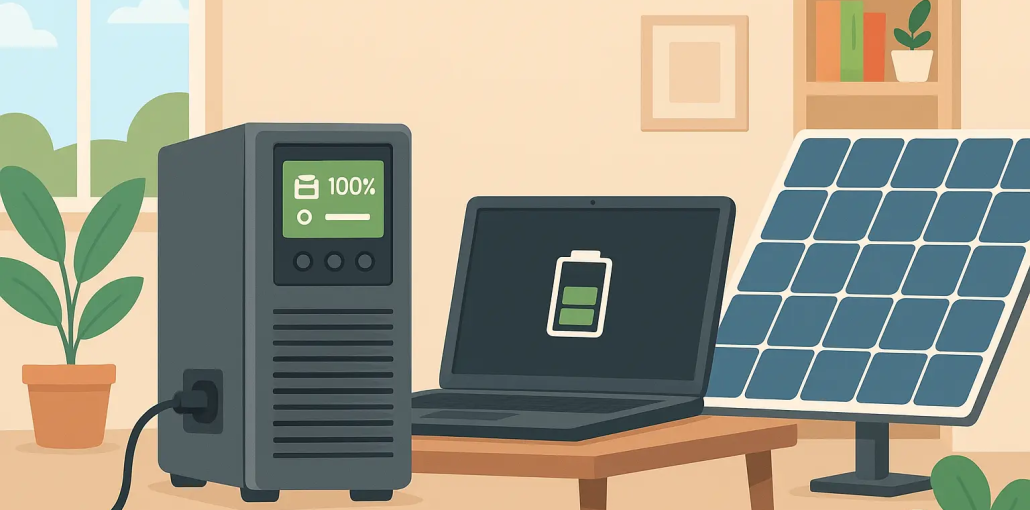
Home UPS Power Supply Wholesale: A Procurement Guide for Distributors, Installers, and Importers
The global demand for residential backup power is rising as grid instability, extreme weather, and infrastructure constraints affect more regions worldwide. For distributors, solar installers, importers, and property developers, sourcing home UPS systems in bulk is no longer just a purchasing decision — it is a long-term supply chain strategy.
This guide focuses specifically on the wholesale procurement perspective of home UPS power supply. It is designed for bulk buyers evaluating manufacturing capability, lifecycle economics, certification compliance, and long-term supplier reliability — not for individual homeowners selecting a single unit.
For a technical overview of how UPS systems operate, see our detailed explanation of
https://leochlithium.us/what-is-a-ups-power-supply-definition-how-it-works-and-when-you-need-one/
What Does “Home UPS Power Supply Wholesale” Really Mean?
Home UPS power supply wholesale refers to the bulk procurement of residential-grade uninterruptible power supply (UPS) systems by distributors, installers, importers, and project developers.
Unlike retail purchases, wholesale procurement typically involves:
- Volume-based pricing structures
- OEM / private label arrangements
- Certification and export compliance
- Long-term supply agreements
- Warranty and after-sales risk evaluation
In this context, buyers are assessing manufacturing stability, battery integration capability, logistics efficiency, and long-term partnership potential — not just product features.
Who Buys Home UPS Systems in Bulk?
Wholesale residential UPS demand commonly comes from:
Electrical Distributors
Regional distributors expanding product portfolios to include residential backup systems.
Solar Installers
Installers integrating UPS systems into hybrid solar + backup projects for homeowners.
Importers in Emerging Markets
In regions with unstable grids, home UPS systems are essential infrastructure, creating consistent bulk demand.
Property Developers
Residential developers implementing standardized backup systems in housing projects or gated communities.
OEM / Private Label Brands
Brands seeking white-label UPS products for regional distribution or online marketplaces.
Each buyer category evaluates procurement differently, but all prioritize margin stability, supply reliability, and after-sales risk control.
Core Specifications Bulk Buyers Must Evaluate
Wholesale buyers evaluate commercial viability rather than homeowner usage scenarios.
- Rated Capacity Range
Typical residential UPS capacity segments include:
- 1–3 kVA (essential loads, apartments)
- 5–10 kVA (larger homes, villas)
A strong supplier should offer scalable SKUs to cover multiple residential market tiers.
For detailed residential load planning considerations, refer to our system design guide:
https://leochlithium.us/residential-backup-power-systems-planning-sizing-and-reliability-for-modern-homes/
This ensures procurement aligns with real-world application requirements without overextending inventory.
- Battery Chemistry: Lithium vs VRLA
Battery selection significantly impacts long-term profitability.
Lithium advantages in wholesale distribution:
- Longer cycle life
- Lower replacement frequency
- Reduced warehouse space usage
- Higher product value perception
- Lower lifetime warranty exposure
VRLA considerations:
- Lower upfront purchase cost
- Established technology in price-sensitive regions
- Familiarity in legacy markets
However, distributors must factor in:
- Replacement cycles
- Failure rate benchmarks
- Transportation weight
- Long-term service burden
If your sourcing strategy focuses specifically on battery procurement rather than complete systems, see our dedicated guide:
https://leochlithium.us/ups-battery-wholesale-dealers-how-to-source-reliable-suppliers-for-bulk-procurement/
This can help evaluate lifecycle cost models at the battery component level.
- Warranty Structure and Failure Rate
Before committing to large volumes, buyers should assess:
- Warranty duration and terms
- Pro-rated vs full replacement policies
- Historical failure rate data
- Technical support response time
- Spare parts availability
A low initial price does not compensate for high after-sales claims.
- Certification and Export Compliance
Depending on destination markets, required certifications may include:
- CE
- UL
- IEC standards
- RoHS
- UN38.3 (for lithium battery transport)
Incomplete documentation can lead to customs delays or regulatory issues.
Lithium vs Lead-Acid in Wholesale Home UPS Projects
From a procurement perspective, the lithium vs lead-acid decision should be based on total cost of ownership rather than upfront pricing.
Lithium-Based Systems
- Higher initial cost
- Longer operational lifespan
- Reduced replacement logistics
- Lower long-term service exposure
Lead-Acid Systems
- Lower entry pricing
- Higher replacement frequency
- Increased storage space requirements
- Potentially higher long-term maintenance burden
Distributors targeting medium- to long-term market positioning increasingly favor lithium due to lifecycle economics and brand differentiation.
OEM and Private Label Opportunities
Many wholesale buyers prioritize brand control.
A reliable manufacturing partner should support:
- Custom logo application
- Packaging design adaptation
- Multilingual documentation
- Voltage and regional specification adjustments
- Firmware or interface customization (where applicable)
Key procurement factors include:
- Minimum Order Quantity (MOQ)
- Branding lead times
- Tooling or mold requirements
- Sample validation process
Flexible OEM capability allows distributors to build proprietary market identity without manufacturing infrastructure investment.
Supply Chain and Logistics Considerations
Container Optimization
Bulk buyers should evaluate:
- Units per container
- Packaging efficiency
- Freight cost per unit
- Battery shipping classification
Minor packaging improvements can significantly affect landed cost.
Lithium Shipping Regulations
Lithium-integrated UPS systems require:
- UN38.3 certification
- MSDS documentation
- Proper labeling compliance
- Dangerous goods declaration where required
Failure to manage these correctly may disrupt supply chains.
Production Stability and Lead Time
Evaluate supplier stability through:
- Historical production capacity
- Seasonal fluctuation handling
- Battery cell sourcing reliability
- Long-term procurement contracts
Consistency is more valuable than short-term price advantage.
After-Sales and Warranty Risk Management
Bulk buyers must assess operational exposure:
- Historical RMA rates
- Regional service support
- Technical documentation depth
- Remote diagnostics capability
- Spare parts inventory management
Sustainable wholesale growth depends on minimizing post-sale liability.
How to Choose a Reliable Home UPS Wholesale Supplier
A structured supplier evaluation framework should include:
Manufacturing Capability
- In-house assembly vs outsourced production
- Battery integration expertise
- Quality control transparency
Technical Depth
- Dedicated R&D presence
- Lithium system engineering capability
- Firmware customization potential
Financial and Operational Stability
- Export history
- Years of operation
- Large-scale project references
Long-Term Partnership Potential
Wholesale relationships should be assessed on a 3–5 year horizon rather than transactional shipment cycles.
Strategic Market Considerations
Wholesale home UPS procurement is especially relevant in:
- Regions with unstable grid infrastructure
- Rapidly developing residential areas
- Solar + backup hybrid installations
- Off-grid or semi-grid housing markets
As global residential energy resilience becomes increasingly important, distributors that secure reliable manufacturing partnerships gain competitive positioning and margin stability.
Conclusion
Wholesale home UPS power supply procurement is not simply about sourcing hardware. It is about managing lifecycle economics, reducing warranty exposure, optimizing logistics, and building resilient supply partnerships.
Distributors, installers, and importers who evaluate lithium integration capability, certification compliance, production stability, and after-sales infrastructure position themselves for sustainable growth in the expanding residential backup power market.
A disciplined procurement strategy today minimizes operational risk tomorrow — and strengthens long-term market competitiveness.