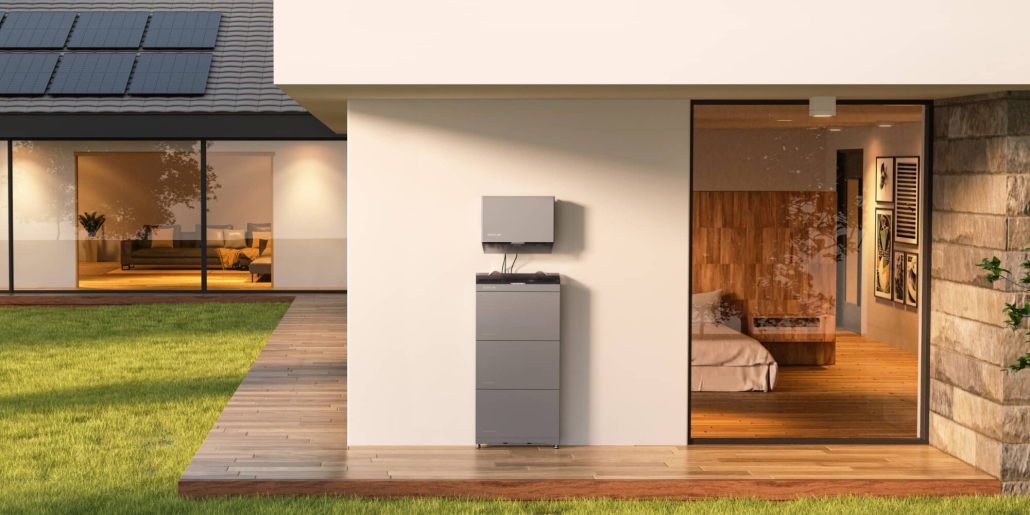
Home Energy Storage Systems: How Residential Batteries Support Modern Home Energy Solutions
As more households adopt solar power and seek greater energy resilience, home energy storage systems have become a central part of modern home energy solutions. Rather than acting as standalone devices, residential batteries work as part of an integrated system that helps homeowners store, manage, and use electricity more effectively.
This article explains how home energy storage systems work, what role they play in residential energy solutions, and how homeowners can evaluate whether storage makes sense for their household.
What Is a Home Energy Storage System?
A home energy storage system is designed to store electricity for later use, allowing households to use energy when it is most valuable rather than only when it is generated or supplied by the grid.
In residential settings, energy storage systems typically work alongside other components—such as solar panels, grid connections, and smart energy management—to support reliability, flexibility, and cost optimization.
Importantly, a home energy storage system is not just about backup power. It is a tool for active energy management, helping households control when and how electricity is used.
Why Home Energy Storage Is Becoming Essential for Homes
Managing Energy Beyond Solar Generation
Solar panels generate electricity during daylight hours, but household energy demand often peaks in the evening. Energy storage bridges this gap by capturing excess daytime generation and making it available later.
Reducing Exposure to High Electricity Rates
In regions with time-of-use pricing, electricity costs can vary significantly throughout the day. Home energy storage allows households to store lower-cost electricity and reduce reliance on the grid during peak pricing periods.
Improving Backup Power and Resilience
Power outages caused by extreme weather or grid disruptions are becoming more frequent. Energy storage systems provide immediate, silent backup power, helping households maintain essential services during outages.
How Home Energy Storage Systems Work in Residential Settings
A residential energy storage system typically operates as part of a coordinated energy flow:
- Electricity is generated on-site (often from solar) or drawn from the grid.
- Excess energy is stored in the battery rather than exported or wasted.
- Stored energy is discharged when household demand exceeds generation or when grid electricity is unavailable or expensive.
- A control system manages charging and discharging based on household priorities.
This dynamic operation transforms energy storage into a flexible resource rather than a passive reserve.
Common Use Cases for Home Energy Storage Systems
Solar Plus Storage Homes
In solar-equipped homes, energy storage maximizes self-consumption by reducing the amount of energy sent back to the grid and increasing the use of locally generated power.
Backup-Focused Households
Some households prioritize resilience. For these users, storage systems are configured to support critical loads such as lighting, refrigeration, internet connectivity, and medical equipment during outages.
Cost-Optimization-Oriented Homes
In areas with variable electricity pricing, storage systems help households lower energy bills by shifting consumption away from peak-rate periods.
Integrating Residential Battery Solutions
Home energy storage systems are most effective when they fit seamlessly into a broader home energy strategy. In practice, this means selecting battery solutions that match a household’s energy usage patterns, resilience goals, and budget.
A variety of residential energy storage products are available that cater to different needs—from basic backup support to fully integrated solar-plus-storage systems. For homeowners exploring available options, you can find examples of residential battery solutions here: https://leochlithium.us/residential/
This link leads to a curated set of storage options that align with typical residential energy scenarios. It can be a useful reference point as you evaluate how different storage technologies might fit into your home energy setup. However, remember that storage selection should be guided primarily by system requirements rather than product features alone.
Key Factors to Consider When Choosing a Home Energy Storage System
Energy Consumption Patterns
Understanding daily and seasonal energy usage is essential. Homes with high evening consumption or frequent outages often benefit the most from storage.
Required Backup Duration
Not all households need full-home backup. Many systems are designed to support essential circuits, which can significantly reduce required storage capacity.
System Scalability
Residential energy needs change over time. A scalable system allows additional storage to be added as usage grows or new energy sources are integrated.
Integration with Energy Management Systems
The effectiveness of a storage system depends on how well it integrates with energy management and monitoring tools that coordinate energy flows.
Lithium-Based Batteries in Residential Energy Storage
Lithium-based batteries have become the dominant technology for home energy storage due to their high efficiency, compact footprint, and long service life. These characteristics make them well suited for residential environments where space, safety, and reliability are critical.
As technology continues to evolve, residential storage systems are becoming more intelligent, capable of responding to real-time conditions such as pricing signals, weather forecasts, and household demand.
How Home Energy Storage Fits into Broader Home Energy Solutions
Home energy storage systems do not replace other components of home energy solutions—they connect and enhance them. By enabling energy shifting, backup functionality, and smarter energy use, storage acts as the stabilizing core of modern residential energy systems.
When combined with generation, grid access, and energy management, storage allows households to move from passive electricity consumption toward a more resilient and controlled energy model.
Is a Home Energy Storage System Right for Your Home?
A home energy storage system can provide significant benefits, but it is not essential for every household. Homes with frequent outages, high electricity rates, or a desire for greater energy independence are often the best candidates.
Evaluating local conditions, household energy usage, and long-term goals helps determine whether energy storage is a worthwhile investment.
Conclusion
Home energy storage systems play a vital role in modern home energy solutions by enabling flexibility, resilience, and smarter energy management. Rather than being a standalone upgrade, residential storage works best as part of a carefully designed system aligned with how a household actually uses energy.
For homeowners exploring energy solutions, understanding the role of storage is a critical step toward building a reliable and future-ready home energy system.