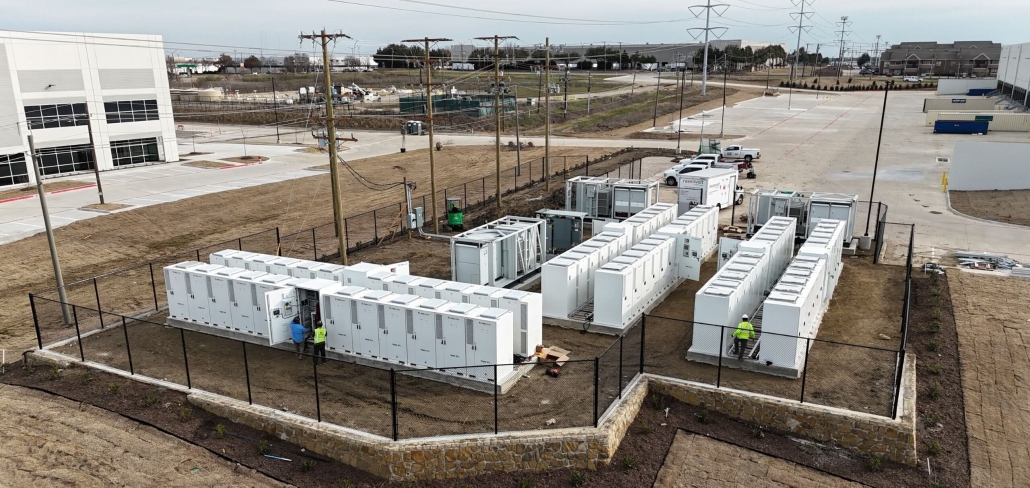
Grid-Scale Battery Storage Systems: Technology, Architecture, and Deployment for Modern Power Grids
As electricity systems transition toward renewable energy, grid-scale battery storage systems have become a critical component of modern power infrastructure. These large-scale energy storage installations allow utilities to balance supply and demand, stabilize grid frequency, and integrate variable renewable resources such as solar and wind power.
Unlike smaller commercial or residential storage systems, grid-scale battery storage projects operate at massive capacities and are designed to support regional or national electricity networks. Utilities, grid operators, and energy developers increasingly rely on these systems to maintain reliability while accelerating the transition to cleaner energy sources.
This guide explains how grid-scale battery storage systems work, their typical architecture, how projects are deployed, and why they are becoming essential for modern power grids.
What Are Grid-Scale Battery Storage Systems?
Grid-scale battery storage systems are large energy storage installations connected directly to electricity transmission or distribution networks. Their primary function is to store electricity when supply exceeds demand and release it when electricity is needed.
These systems typically operate at capacities ranging from tens of megawatts to several gigawatts, making them significantly larger than commercial or residential battery systems.
Grid-scale battery storage is commonly used for:
- Grid frequency regulation
- Renewable energy integration
- Peak demand management
- Backup power for grid reliability
- Energy arbitrage in electricity markets
Because they operate as part of critical infrastructure, these systems must meet strict reliability, safety, and performance requirements.
Why Grid-Scale Energy Storage Is Becoming Essential
Power grids around the world are undergoing rapid structural change. Three major factors are driving the growth of grid-scale battery storage.
Rapid Growth of Renewable Energy
Solar and wind power generation is expanding globally, but these resources are inherently variable. Solar output declines at sunset, while wind generation can fluctuate unpredictably.
Grid-scale batteries allow operators to store excess renewable energy and release it when production decreases, helping smooth power generation and reduce curtailment.
Increasing Grid Stability Challenges
Traditional power systems relied heavily on large fossil fuel plants that provided consistent, controllable generation. As these plants retire, maintaining grid stability becomes more complex.
Battery storage systems can respond within milliseconds, providing services such as:
- Frequency regulation
- Voltage support
- Fast reserve capacity
These capabilities make battery storage an increasingly valuable tool for grid operators.
Managing Peak Electricity Demand
Electricity demand fluctuates throughout the day. During peak demand periods, utilities may need to activate expensive peaking power plants.
Grid-scale batteries can store energy during off-peak hours and release it during peak demand, reducing reliance on costly generation resources and improving overall system efficiency.
Core Components of Grid-Scale Battery Storage Systems
Large-scale battery energy storage installations consist of several integrated subsystems working together to ensure reliable and safe operation.
Battery Modules and Racks
At the core of every system are battery cells assembled into modules and racks. These components store electrical energy and determine the overall energy capacity of the system.
Most modern grid storage installations use lithium-ion batteries, particularly lithium iron phosphate (LFP) chemistry, due to their safety profile and long cycle life.
Battery Management System (BMS)
The battery management system monitors and controls battery performance by:
- Balancing cell voltages
- Monitoring temperature
- Preventing overcharging or over-discharging
- Detecting potential safety issues
A reliable BMS is essential for maintaining battery health and ensuring long-term system reliability.
Power Conversion System (PCS)
Battery systems store electricity as direct current (DC), while power grids operate on alternating current (AC). The power conversion system performs bidirectional conversion between DC and AC electricity.
PCS equipment also manages power flow between the battery system and the grid.
Energy Management System (EMS)
The EMS acts as the control center of the entire storage system. It determines when batteries should charge or discharge based on factors such as:
- Electricity market prices
- Grid frequency signals
- Renewable generation forecasts
- Grid operator instructions
Advanced EMS platforms optimize system performance and maximize project revenue.
Thermal Management and Safety Systems
Battery performance and safety depend heavily on temperature control. Grid-scale installations typically include:
- Active cooling systems
- Fire detection and suppression systems
- Ventilation and gas monitoring
These systems ensure that batteries operate within safe temperature ranges and comply with safety regulations.
In many large projects, these subsystems are combined and optimized by a specialized battery energy storage system integrator, responsible for assembling and configuring the entire system architecture.
For a deeper explanation of how utilities select integration partners, see:
https://leochlithium.us/battery-energy-storage-system-integrator-how-utilities-and-developers-choose-the-right-bess-integration-partner/
Typical Capacity Ranges for Grid-Scale Storage
Grid-scale storage projects vary significantly in size depending on their application and the needs of the electricity network.
Common capacity ranges include:
| Project Type | Typical Power Capacity |
| Commercial storage | 5–50 MW |
| Utility-scale storage | 50–500 MW |
| Large grid storage installations | 500 MW and above |
Energy capacity is typically measured in megawatt-hours (MWh), which determines how long the system can deliver electricity at its rated power output.
For example:
A 100 MW / 400 MWh system can supply 100 MW of electricity for four hours.
Longer duration storage systems are becoming increasingly common as renewable energy penetration grows.
Common Deployment Models for Grid-Scale Battery Storage
Grid-scale storage can be deployed in several different configurations depending on project objectives and grid requirements.
Standalone Battery Storage Projects
Standalone battery installations operate independently and participate in electricity markets. They may provide services such as:
- Frequency regulation
- Capacity reserves
- Energy arbitrage
These projects are typically located near transmission substations.
Solar-Plus-Storage Projects
Battery systems are frequently paired with large solar power plants. In this configuration, excess solar generation during the day can be stored and released later when electricity demand increases.
Solar-plus-storage projects help improve renewable energy utilization and reduce curtailment.
For more insights on sourcing reliable storage batteries for solar projects, see:
https://leochlithium.us/solar-battery-supplier-how-installers-and-epc-contractors-source-reliable-lithium-energy-storage/
Grid Support Installations
Utilities may deploy battery storage systems specifically to strengthen local grid infrastructure. In these cases, batteries can:
- Reduce transmission congestion
- Delay expensive grid upgrades
- Improve reliability in high-demand regions
These installations are often strategically located near load centers or constrained transmission corridors.
How Utilities and Developers Procure Grid-Scale Storage Systems
Developing a grid-scale battery storage project typically involves several stages of procurement and system design.
Project Planning
Utilities or developers first assess grid requirements, market opportunities, and project economics.
Technology Selection
Next, project developers evaluate battery technologies, system architecture, and expected operational performance.
Integrator Selection
Specialized BESS integrators are often responsible for system integration, equipment configuration, and commissioning.
Battery Supplier Evaluation
Developers must also select reliable battery suppliers capable of delivering large volumes of battery modules while meeting safety and performance requirements.
More guidance on evaluating manufacturers can be found here:
https://leochlithium.us/battery-energy-storage-system-manufacturers-how-to-identify-reliable-partners-for-commercial-and-utility-projects/
EPC Construction and Commissioning
Engineering, procurement, and construction (EPC) contractors manage site preparation, installation, and system commissioning before the project begins commercial operation.
Challenges in Large-Scale Battery Storage Deployment
Despite rapid growth, deploying grid-scale storage systems presents several challenges.
Grid Interconnection Complexity
Connecting large battery installations to transmission networks often requires complex regulatory approvals and grid studies.
Safety and Fire Protection
Large battery systems must meet strict safety standards, including fire protection systems and advanced monitoring technology.
Supply Chain Risks
Global demand for lithium batteries continues to grow rapidly, creating potential supply chain constraints for large projects.
Long-Term System Performance
Developers must carefully evaluate battery degradation, warranty conditions, and lifecycle performance to ensure project profitability.
Addressing these challenges requires collaboration between manufacturers, integrators, utilities, and project developers.
Conclusion
Grid-scale battery storage systems are transforming how modern power grids operate. By enabling renewable integration, stabilizing grid frequency, and improving energy management, these large-scale installations have become essential infrastructure for the global energy transition.
Successful deployment of grid-scale storage projects depends on coordinated collaboration between battery manufacturers, system integrators, utilities, and project developers.
As the global energy storage industry continues to expand, cooperation across the entire energy storage value chain—from battery manufacturing to system integration and project development—will play a critical role in deploying reliable grid-scale storage infrastructure for modern power grids.