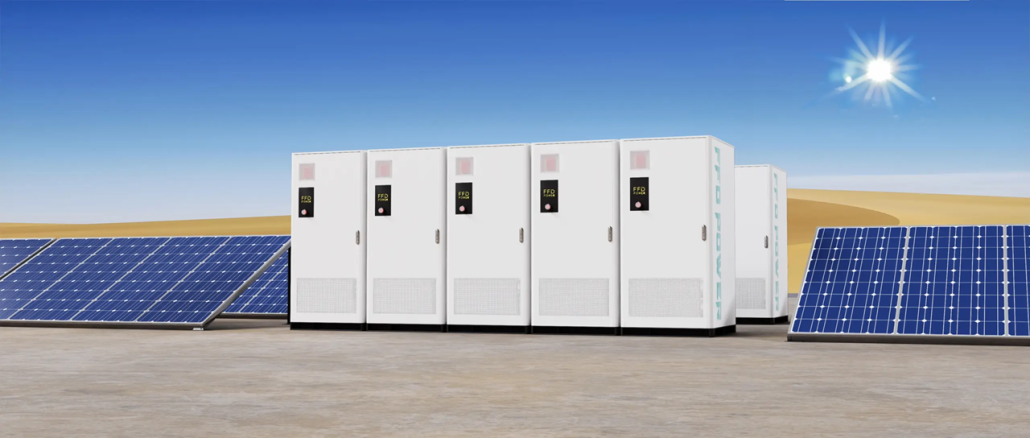
C&I BESS Wholesale: A Procurement & Project Decision Guide for Commercial & Industrial Energy Storage
What is C&I BESS Wholesale?
C&I BESS wholesale refers to bulk procurement of commercial and industrial battery energy storage systems (BESS) by EPC contractors, project developers, and energy integrators. Unlike residential systems, C&I projects typically require custom system design, integration, and long-term operational support, making supplier selection critical to project success.
Commercial and industrial users deploy storage systems to:
- Reduce peak demand and lower utility bills
- Optimize self-consumption of on-site PV
- Provide backup power for critical loads
- Stabilize overall energy costs
Many projects fail to achieve expected results—not because of the batteries themselves, but due to poor system design, mismatched applications, or unrealistic ROI expectations.
Looking to calculate project ROI and size your system accurately? Check our detailed guide here: C&I BESS ROI & Sizing Guide
Who Is Bulk Purchasing C&I BESS?
Typical C&I BESS buyers include:
- EPC contractors managing PV/storage or microgrid projects
- Project developers investing in commercial or industrial energy assets
- System integrators building custom solutions
- Industrial facility owners seeking energy cost optimization
- Regional distributors serving project-based customers
If your project involves engineering design, grid connection, or energy optimization, you are operating in a solution-driven procurement environment, not standard product purchasing.
Typical C&I BESS System Configurations (100 kWh – MWh+)
C&I energy storage systems are usually classified by capacity and application scale:
Small Commercial Systems (100–215 kWh)
- Retail stores, offices, small facilities
- Primarily for self-consumption and backup
Medium Systems (215–500 kWh)
- Factories, commercial buildings
- Support peak shaving and load shifting
Large Systems (1 MWh+)
- Industrial facilities, multi-site projects
- Integrated with PV and EMS strategies
Common delivery formats:
- Cabinet-style integrated systems
- Containerized energy storage systems
Cost Components: Key Factors Influencing Price
Major cost contributors:
- Battery cells (typically LFP)
- PCS (Power Conversion System)
- EMS (Energy Management System)
- Thermal management & safety systems
- Enclosures (cabinet or container)
- Certification (UL, IEC, grid compliance)
Most C&I BESS systems are not off-the-shelf. Pricing usually depends on system design, site conditions, and project requirements.
If you’re planning a project and want accurate quotes, you can submit your requirements via Leoch Lithium Contact Page to discuss load characteristics and receive a customized system configuration and quote.
Why System Configuration Matters More Than Hardware
In C&I projects, system design often impacts ROI more than battery specifications. Key considerations:
- PCS selection determines grid compatibility and efficiency
- EMS strategy affects revenue (peak shaving, arbitrage, backup)
- System sizing impacts utilization and payback period
A properly configured system can significantly outperform a poorly designed system, even if the hardware is similar.
Grid & Policy Considerations
In many regions, grid interconnection approvals are more complex than installation.
Key factors:
- Interconnection requirements
- Export limits / feed-in restrictions
- Local certification and compliance
- Utility approval timelines
Ignoring these factors may delay or even block project deployment.
Safety, Compliance & Risk Management
Safety is a top concern for C&I projects. Critical aspects:
- Compliance with UL9540 / IEC62619
- Advanced thermal management
- Fire protection design
- Installation environment and spacing requirements
Safety design directly affects approvals, insurance coverage, and long-term operational reliability.
Manufacturer vs. System Integrator: Who Should You Work With?
Manufacturer
Pros:
- Competitive cost
- Flexible configuration
- Direct technical communication
Considerations:
- Requires in-house engineering or integration capabilities
System Integrator
Pros:
- Turnkey solution
- Reduces in-house engineering burden
Considerations:
- Higher overall project cost
- Less configuration flexibility
Many EPCs prefer manufacturers with system integration capabilities.
Common Supplier Risks for C&I BESS Projects
Not all suppliers can meet project requirements. Typical risks:
- Low quotes but inability to deliver
- Lack of large-scale project experience
- Outsourced EMS/PCS integration issues
- Limited after-sales or technical support
Selecting the wrong supplier can lead to project delays, performance issues, or long-term operational risk.
Flexible C&I BESS Solutions for Different Project Needs
C&I systems almost always require customization. Flexibility includes:
- Expandable capacity (100 kWh – multiple MWh)
- PCS & inverter selection
- EMS strategy configuration
- Grid-tied, off-grid, or hybrid system design
- Cabinet or containerized deployment
Experienced suppliers provide branded storage systems with flexible configurations, rather than generic products.
Typical Applications
- Peak shaving and load management
- PV self-consumption optimization
- Backup power for critical loads
- Utility bill optimization
- Microgrid systems
PV-integrated projects reference:
👉 https://leochlithium.us/solar-battery-supplier-how-installers-and-epc-contractors-source-reliable-lithium-energy-storage/
Conclusion
Selecting an experienced partner and configuring the system properly is key to C&I energy storage project success.
You can submit your project requirements via Leoch Lithium Contact Page to receive a custom system solution and quote.
Looking to precisely calculate ROI and size your system for maximum project value? Check our guide here: C&I BESS ROI & Sizing Guide