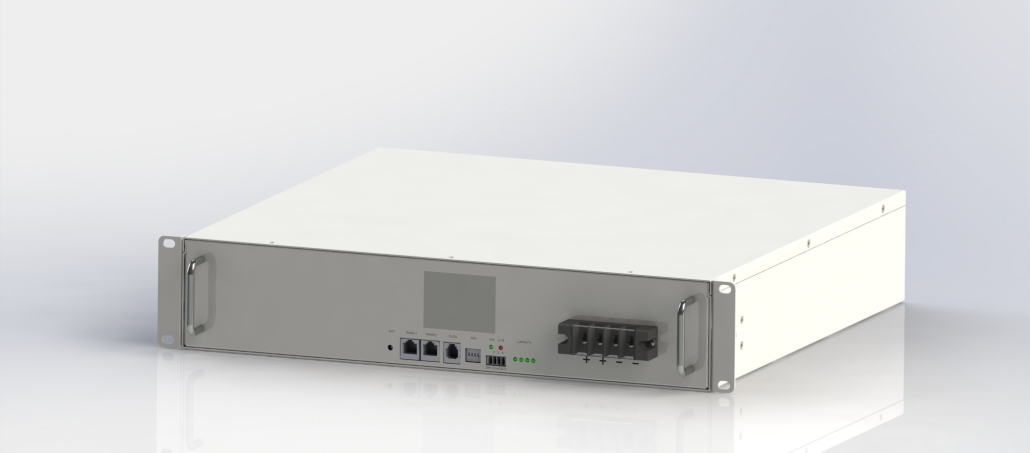
Bulk Lithium Battery Supply: A Practical Guide for Commercial and Industrial Buyers
What Is Bulk Lithium Battery Supply?
Bulk lithium battery supply refers to the large-scale procurement of lithium batteries for commercial and industrial applications, focusing on consistent quality, stable pricing, and scalable delivery rather than one-time purchases. It is commonly used in energy storage systems (BESS), solar projects, telecom infrastructure, and backup power solutions.
Why Bulk Battery Supply Matters for Commercial Buyers
For businesses, battery sourcing is not just about purchasing—it is about ensuring long-term operational stability and cost control.
Bulk procurement directly impacts:
- Project cost structure and profitability
- Supply chain reliability
- System performance consistency
- Future scalability
Unlike small-volume purchases, bulk supply requires a strategic sourcing approach.
Bulk vs Standard Purchasing: What’s the Difference?
| Factor | Standard Purchase | Bulk Supply |
| Volume | Low | High |
| Pricing | Retail-oriented | Negotiated, volume-based |
| Supply Stability | Limited | High |
| Planning | Short-term | Long-term |
| Risk Exposure | Lower per order | Higher if supplier is unreliable |
👉 Key takeaway:
Bulk supply offers better long-term value—but only if the supplier is reliable.
Key Considerations in Bulk Lithium Battery Supply
To succeed in bulk procurement, buyers must evaluate more than just price.
✔ Pricing vs Total Cost
Low unit price does not always mean lower overall cost.
Consider:
- Battery lifespan (cycle life)
- System efficiency
- Replacement and maintenance costs
👉 A slightly higher upfront cost can deliver better ROI over time.
✔ Minimum Order Quantity (MOQ)
Most suppliers define MOQ based on:
- Production efficiency
- Logistics optimization
- Inventory planning
Best practice:
- Align MOQ with project phases
- Avoid overstocking or under-ordering
✔ Supply Consistency
In bulk procurement, consistency is critical.
Check:
- Cell sourcing stability
- Batch-to-batch performance
- Quality control processes
✔ Lead Time & Delivery
Reliable delivery is essential for project execution.
Evaluate:
- Production lead times
- Shipping timelines
- Buffer inventory availability
✔ Logistics & Transportation
Bulk lithium batteries require careful logistics planning.
Key factors:
- UN38.3 compliance
- Packaging standards
- International shipping regulations
Common Risks in Bulk Battery Procurement
Bulk sourcing increases exposure to supply chain risks.
⚠ Inconsistent Product Quality
Different batches may not perform equally
⚠ Over-Reliance on a Single Supplier
Creates vulnerability to disruptions
⚠ Hidden Costs
Shipping, tariffs, and integration costs may not be transparent
⚠ Poor Forecasting
Overestimating demand can lead to excess inventory
⚠ Weak Technical Support
Bulk supply without engineering support can create integration issues
Best Practices for Bulk Lithium Battery Sourcing
To minimize risk and maximize value, follow these best practices:
✔ Standardize Battery Specifications
Use widely adopted formats such as LFP 280Ah / 314Ah cells to ensure:
- Easier procurement
- Better compatibility
- Long-term availability
✔ Work with Application-Focused Suppliers
Choose suppliers that understand:
- Energy storage systems (BESS)
- Solar integration
- Backup power requirements
✔ Plan Multi-Batch Procurement
Avoid one-time large purchases—split procurement into phases:
- Reduces risk
- Improves flexibility
- Aligns with project timelines
✔ Validate Supplier Capability
Before committing to bulk orders:
- Request samples
- Conduct pilot testing
- Verify certifications and performance data
✔ Build Long-Term Partnerships
Reliable supply comes from strong relationships—not one-off transactions.
Bulk Lithium Battery Supply Across Key Applications
Bulk procurement strategies vary by application:
Energy Storage Systems (BESS)
- Large-scale, long-term supply
- High consistency requirements
- Integration with PCS and EMS
For a deeper look at BESS battery supply, see:
👉 https://leochlithium.us/lithium-battery-supply-for-bess-projects-from-procurement-to-deployment/
Solar + Storage Projects
- Frequent cycling requirements
- Integration with PV systems
Related guide:
👉 https://leochlithium.us/solar-battery-supplier-how-installers-and-epc-contractors-source-reliable-lithium-energy-storage/
Telecom Infrastructure
- Reliable backup power
- Distributed deployment scenarios
Data Centers & UPS Systems
- High reliability and uptime
- Strict performance requirements
Learn more:
👉 https://leochlithium.us/data-center-ups-battery-selection-sizing-architecture-future-proofing-guide/
Supplier vs Manufacturer in Bulk Procurement
Many buyers consider sourcing directly from manufacturers for bulk orders.
However:
- Manufacturers focus on production efficiency
- Suppliers focus on delivery, flexibility, and application support
👉 For most commercial buyers, suppliers provide a more balanced solution.
For a detailed comparison, see:
👉 https://leochlithium.us/lithium-battery-supplier-vs-manufacturer-what-s-the-best-choice-for-energy-storage-projects/
Building a Scalable Bulk Battery Supply Strategy
A successful bulk supply strategy should include:
- Standardized battery selection
- Multi-phase procurement planning
- Reliable supplier partnerships
- Risk diversification
👉 Leading companies treat battery sourcing as a strategic supply chain function, not just a purchasing activity.
Work With a Reliable Bulk Lithium Battery Supplier
Bulk lithium battery procurement is a high-impact decision that affects cost, performance, and long-term scalability.
Choosing the right partner can help you:
- Secure stable supply
- Reduce operational risks
- Improve system performance
- Maximize ROI
👉 Looking for a reliable bulk lithium battery supplier for your projects?
Contact us here:
https://leochlithium.us/contact-us/