BESS Solar Storage: How Battery Energy Storage Unlocks the Full Value of Solar Power
Introduction: Why Solar Power Alone Is Not Enough
Solar energy has become one of the fastest-growing power sources in North America. Falling panel costs, supportive policies, and sustainability goals have driven widespread adoption across residential, commercial, and utility-scale projects.
However, solar power has an inherent limitation: it only generates electricity when the sun is available. This mismatch between energy production and actual demand creates operational, economic, and reliability challenges for solar system owners.
That is where BESS solar storage comes into play—not as an optional add-on, but as a practical solution to unlock the full value of solar energy.
What Does “BESS Solar Storage” Mean?
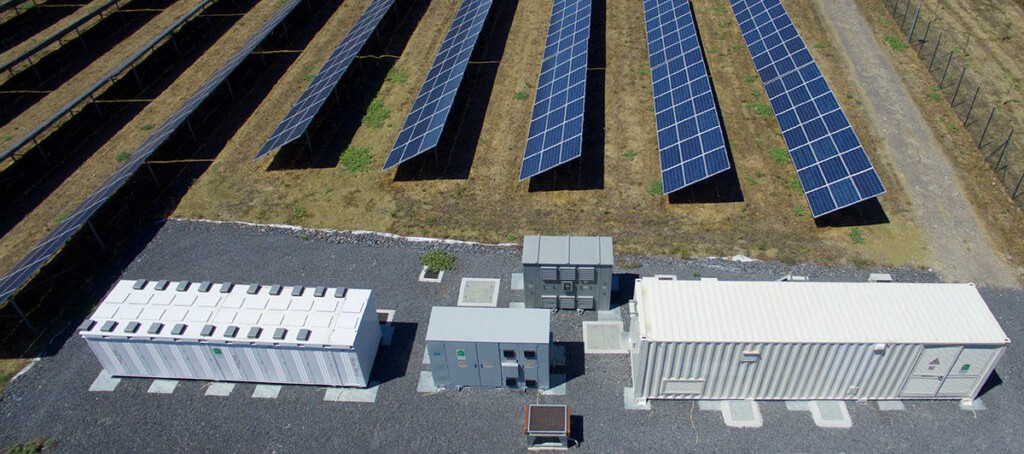
BESS solar storage refers to the integration of battery energy storage systems with solar power installations, allowing excess solar energy to be stored and used when sunlight is unavailable.
By combining solar generation with battery storage, energy systems gain greater reliability, higher self-consumption, and improved flexibility without increasing solar capacity.
In simple terms, solar produces the energy, while the battery ensures that energy is available when it is actually needed.
Core Problems in Solar Systems That BESS Solves
Solar Intermittency and Output Variability
Solar generation fluctuates constantly due to weather conditions, seasonal changes, and daily sunlight cycles. Even well-designed photovoltaic systems experience sudden drops in output from cloud cover or reduced irradiance.
Without storage, these fluctuations must be absorbed by the grid or compensated by other power sources. BESS provides a buffer that smooths solar output, allowing energy captured during peak generation periods to be released when production dips.
Solar Curtailment and Wasted Energy
In many grid-connected solar installations, excess midday generation cannot always be exported. Grid congestion, export limits, or declining feed-in tariffs often result in solar curtailment, where usable energy is lost.
Battery storage converts this excess generation into usable electricity, improving overall system efficiency and maximizing the value of installed solar capacity.
Low Self-Consumption in Grid-Tied Solar Systems
As net metering policies evolve, the economic value of exporting solar energy continues to decline. Increasing self-consumption has become a key driver of solar system performance.
BESS solar storage allows users to consume more of their own generated electricity, reducing dependence on the grid and exposure to utility rate volatility.
How BESS Solar Storage Transforms Solar System Performance
Increasing Solar Self-Consumption
Energy generated during daylight hours can be stored and used during the evening, when demand often peaks. This directly improves return on investment without expanding solar capacity.
Enabling Load Shifting Based on Solar Availability
With storage, solar systems no longer require users to adjust consumption patterns. Batteries align energy availability with real demand, enabling seamless load shifting across the day.
Improving Reliability Beyond Grid Dependence
Solar-only systems cannot provide backup power during grid outages. By contrast, BESS solar storage enables continued operation during outages, delivering a level of reliability that solar alone cannot achieve.
Common Solar + BESS Configurations
Residential Solar with Battery Storage
Residential systems focus on:
- Higher self-consumption
- Backup power during outages
- Energy independence
The design is driven by daily solar generation rather than participation in energy markets.
Commercial and Industrial Solar + BESS
Commercial solar users often deploy storage to better align generation with operational demand.
When solar-plus-storage projects evolve from simple self-consumption optimization toward broader operational efficiency goals, energy management becomes increasingly important. For readers interested in how smart commercial storage systems integrate data, control, and cost optimization, this article provides a deeper perspective:
👉 https://leochlithium.us/business-intelligence-energy-management-how-smart-commercial-storage-systems-are-transforming-cost-efficiency-and-operational-strategy/
Utility-Scale Solar Paired with Storage
At the utility level, solar is increasingly paired with co-located storage to improve dispatchability and reduce variability.
For a system-level view of how large-scale battery energy storage supports grid operations beyond solar-first use cases, the following article offers a comprehensive explanation:
👉 https://leochlithium.us/large-scale-battery-energy-storage-systems-applications-architecture-and-grid-value/
Key Design Considerations for BESS Solar Storage
Balancing Storage Capacity with Solar Output
Battery capacity should reflect daily solar generation patterns, not simply total installed PV capacity. The goal is to store the most usable portion of solar energy—not all of it.
Cycling Profiles Driven by Solar Generation
Solar-coupled storage typically follows predictable daily charge–discharge cycles. Designing around these profiles ensures stable operation and long-term performance.
Efficiency and Usable Solar Energy
Higher round-trip efficiency means more stored solar energy can actually be used. In solar-first systems, efficiency directly translates into improved system value.
When BESS Solar Storage May Not Be the Right Choice
Solar installations in regions with strong net metering, stable grids, or low electricity price volatility may see limited short-term benefits from storage. In such cases, solar-only systems can remain economically viable.
The Future of Solar-First Energy Systems
Energy systems are shifting from generation-focused models to flexibility-driven architectures. Storage is becoming the primary enabler that allows solar energy to be used when and where it is most valuable.
Conclusion: Why BESS Makes Solar Power Practical
Solar energy delivers clean power, but its value is constrained by timing.
BESS solar storage removes that constraint, transforming intermittent generation into reliable, usable energy.
As solar adoption accelerates, battery storage is no longer optional—it is what makes solar power practical.