Battery Energy Storage System Wholesale: A Practical Guide for Large-Scale and Project-Based Procurement
As battery energy storage systems (BESS) become a core component of modern power infrastructure, procurement models are evolving just as quickly. For commercial, industrial, and utility-scale projects, energy storage is rarely purchased as a single product. Instead, it is sourced as a fully integrated system—often at scale and through project-based contracts.
This guide explains what battery energy storage system wholesale really means, how it differs from retail energy storage, and how project owners, EPCs, and integrators can evaluate wholesale BESS solutions from both a technical and strategic perspective.
What Does “Battery Energy Storage System Wholesale” Actually Mean?
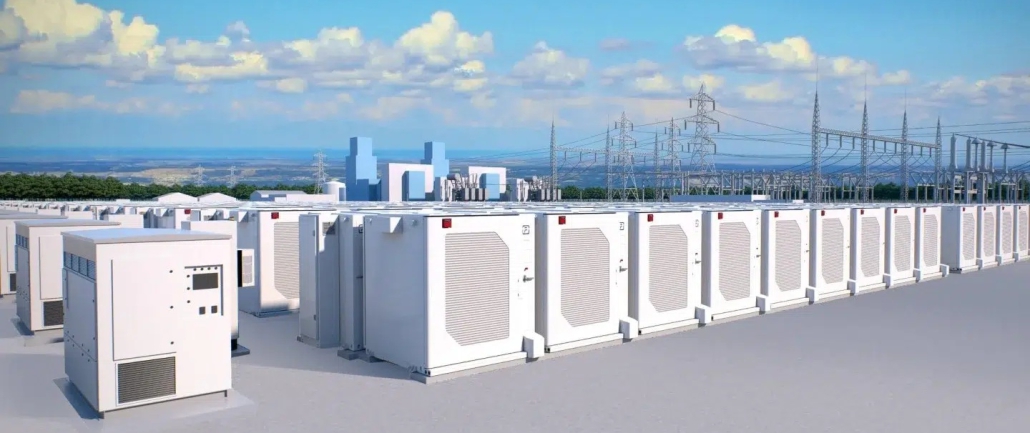
A battery energy storage system wholesale solution typically refers to the bulk procurement of fully integrated energy storage systems—including batteries, power conversion systems, thermal management, safety components, and control software—designed for commercial, industrial, or utility-scale projects rather than individual end users.
Unlike retail energy storage, wholesale BESS focuses on system-level performance, scalability, and long-term project requirements, not standalone battery units or off-the-shelf products.
Wholesale BESS vs Retail Energy Storage: Key Differences That Matter
System Scope and Integration Level
Retail energy storage usually centers on a single battery pack with basic inverters and preconfigured controls. Wholesale battery energy storage systems, by contrast, are delivered as engineered systems, typically including:
- Battery modules and racks
- Power conversion systems (PCS)
- Battery and energy management systems (BMS / EMS)
- Thermal management and fire-safety mechanisms
- Enclosures or containerized platforms
The emphasis is on end-to-end integration, not individual components.
For readers interested in how these components work together at a system level, a deeper architectural breakdown is available in BESS Storage System Explained: Architecture, Components, and When a Battery Energy Storage System Makes Sense:
https://leochlithium.us/bess-storage-system-explained-architecture-components-and-when-a-battery-energy-storage-system-makes-sense/
Project Size and Deployment Context
Retail solutions are designed for residential or small commercial use. Wholesale BESS deployments typically serve:
- Commercial facilities and industrial campuses
- Energy-intensive operations
- Utility-scale or grid-connected installations
These projects are measured in hundreds of kilowatt-hours to multiple megawatt-hours, often deployed across multiple sites.
Procurement and Delivery Model
Wholesale BESS sourcing is almost always project-based, involving:
- Customized system design
- Batch manufacturing and delivery
- Factory acceptance testing (FAT)
- On-site commissioning and system integration
This model prioritizes reliability, compliance, and lifecycle performance over simple unit pricing.
Who Typically Buys Battery Energy Storage Systems at Wholesale Scale?
EPC Contractors and System Integrators
Engineering, procurement, and construction (EPC) firms source wholesale BESS to deliver turnkey energy projects. Their priorities include system compatibility, installation efficiency, and clear responsibility boundaries across the project lifecycle.
Commercial and Industrial Energy Users
C&I buyers adopt wholesale battery energy storage systems to support:
- Peak shaving and demand charge management
- Backup power for critical operations
- Energy cost optimization and resilience
For these users, energy storage is a long-term operational asset, not a temporary solution.
Utility Companies and Grid Operators
At the grid level, wholesale BESS is deployed for:
- Frequency regulation
- Capacity support
- Renewable energy integration
Common Applications of Wholesale Battery Energy Storage Systems
Grid-Connected Utility-Scale Storage
Utility-scale BESS installations help stabilize grids by balancing supply and demand, smoothing renewable generation, and providing ancillary services.
A broader analysis of where and why large-scale storage creates value across different sectors is explored in Large-Scale Battery Energy Storage Systems: Applications, Architecture, and Grid Value:
https://leochlithium.us/large-scale-battery-energy-storage-systems-applications-architecture-and-grid-value/
Commercial and Industrial (C&I) Energy Storage
In commercial and industrial settings, wholesale BESS supports cost control, operational continuity, and power quality. System sizing and control strategies are typically tailored to each facility’s load profile.
Hybrid Energy Systems (Solar + Storage)
Wholesale battery energy storage systems are frequently deployed alongside solar or other renewable sources. In these hybrid systems, storage maximizes self-consumption, reduces curtailment, and enhances overall energy reliability.
Key Technical Considerations When Sourcing BESS at Wholesale Level
System Architecture: AC-Coupled vs DC-Coupled
Wholesale BESS architecture choices depend on project objectives. AC-coupled and DC-coupled systems each offer advantages depending on factors such as retrofit complexity, efficiency targets, and integration with existing infrastructure.
Scalability and Modularity
Large-scale projects require storage systems that can expand over time. Modular BESS designs allow capacity to grow while minimizing disruption, reducing both technical and financial risk.
Safety, Compliance, and Certifications
At wholesale scale, safety is a system-wide concern. Buyers must evaluate thermal management strategies, fire suppression design, and compliance with applicable regional standards. These factors often carry more weight than energy density alone.
OEM, ODM, or Turnkey? Understanding Wholesale Supply Models
OEM Battery Energy Storage Systems
OEM models allow project owners or brands to maintain control over specifications and system architecture while sourcing standardized platforms at scale.
ODM and Customized Solutions
ODM approaches provide flexibility, enabling systems to be tailored to specific project requirements. This model is common in complex or non-standard deployments where site conditions or regulatory requirements vary.
Turnkey BESS Solutions
Turnkey wholesale BESS solutions consolidate responsibility under a single supplier. While this can simplify project management, it also concentrates risk, making supplier evaluation especially critical.
How to Evaluate a Battery Energy Storage System Wholesale Supplier
System-Level Engineering Capability
A wholesale BESS supplier should demonstrate expertise beyond battery manufacturing, including system design, integration, and performance optimization.
Project Experience and Deployment Scale
Experience with similar project sizes and applications reduces risk. Buyers should assess whether a supplier’s track record aligns with their intended use case.
After-Sales Support and Lifecycle Services
Energy storage systems are long-term assets. Commissioning support, monitoring capabilities, and long-term service strategies are essential components of wholesale procurement decisions.
From a strategic perspective, many buyers evaluate BESS not just as hardware, but as part of a broader energy management and grid participation strategy, which is discussed further in Large-Scale Battery Energy Storage Systems: Applications, Architecture, and Grid Value:
https://leochlithium.us/large-scale-battery-energy-storage-systems-applications-architecture-and-grid-value/
Is Wholesale Battery Energy Storage Right for Your Project?
Wholesale battery energy storage systems are well-suited for projects that require scalable, engineered solutions and long-term performance. They may be less appropriate for small-scale, short-duration, or residential applications where simplicity and speed outweigh customization and system integration.
Final Thoughts: Wholesale BESS as a Strategic Infrastructure Investment
Battery energy storage system wholesale procurement is not simply a purchasing decision—it is a strategic infrastructure investment. For commercial, industrial, and utility-scale projects, success depends on system-level thinking, careful supplier evaluation, and alignment between technical design and long-term energy goals.
When approached correctly, wholesale BESS becomes a foundational element of modern energy strategy rather than a standalone piece of equipment.