Are Home Energy Solutions Worth It? A Practical Cost, Reliability, and Value Assessment for Homeowners
As interest in home energy solutions continues to grow, many homeowners reach the same critical question: are home energy solutions really worth it?
The answer depends less on technology and more on household-specific factors such as energy usage, grid reliability, and long-term priorities. This article provides a practical framework to help homeowners evaluate whether investing in home energy solutions makes sense for their situation.
What “Worth It” Really Means for Home Energy Solutions
When homeowners ask whether home energy solutions are worth it, they are rarely asking a purely financial question. In practice, value is measured across several dimensions:
- Cost and long-term savings
- Reliability and outage protection
- Comfort and lifestyle impact
- Energy independence and control
Understanding how these factors apply to your household is more important than focusing on technology alone.
Cost Considerations: Beyond the Upfront Investment
Initial System Costs
Home energy solutions typically involve higher upfront costs than traditional grid-only setups. These costs vary depending on system size, storage capacity, and level of integration.
Long-Term Energy Savings
For households facing high electricity rates or time-of-use pricing, energy solutions that include storage can reduce long-term energy expenses by shifting consumption away from peak periods.
Incentives and Policy Support
In many regions, incentives and rebates can significantly improve the economics of home energy solutions. These programs often change over time, making local research essential.
Reliability and Backup Power Value
The Cost of Power Outages
Outages can disrupt work, damage appliances, and create safety concerns. For some households, even short outages have meaningful consequences — and for installers or distributors evaluating solutions at scale, frameworks like wholesale home backup power supply help clarify how comprehensive residential backup power systems can be designed and delivered.
How Much Reliability Is Enough?
Not every household needs full-home backup. Systems designed to support essential loads can provide meaningful protection without excessive complexity.
Peace of Mind as a Value Factor
For many homeowners, the assurance that critical systems will remain powered during outages is a key part of the value equation, even if it is difficult to quantify.
Lifestyle and Energy Independence Benefits
Control Over Energy Usage
Home energy solutions allow households to make intentional decisions about when and how electricity is used, rather than reacting to utility pricing and grid conditions.
Supporting Remote Work and Home-Based Needs
As more people work from home, reliable power has become increasingly important for productivity and connectivity.
Environmental and Sustainability Goals
For households motivated by sustainability, home energy solutions support cleaner energy use and reduced reliance on fossil fuels.
When Home Energy Solutions Are Most Likely Worth It
Home energy solutions tend to deliver the greatest value for households that:
- Experience frequent or prolonged power outages
- Face high or variable electricity rates
- Use significant energy during evening hours
- Prioritize energy independence and resilience
In these cases, the benefits often extend beyond simple cost calculations.
When Home Energy Solutions May Not Be the Right Fit
Home energy solutions may offer limited value for households that:
- Have highly reliable grid service
- Face low and stable electricity prices
- Have minimal backup power needs
- Are unlikely to remain in the home long term
In such scenarios, the investment may not align with household priorities.
Evaluating Value Over Time
Home energy solutions are long-term investments. Their value often increases over time as energy prices rise, grid reliability changes, and household energy needs evolve.
Rather than asking whether a system pays for itself immediately, homeowners benefit from evaluating how it supports their future energy needs and lifestyle goals.
How This Decision Fits Into a Broader Home Energy Strategy
Deciding whether home energy solutions are worth it is not an isolated choice. It is part of a broader conversation about how a household wants to interact with energy—passively consuming it or actively managing it.
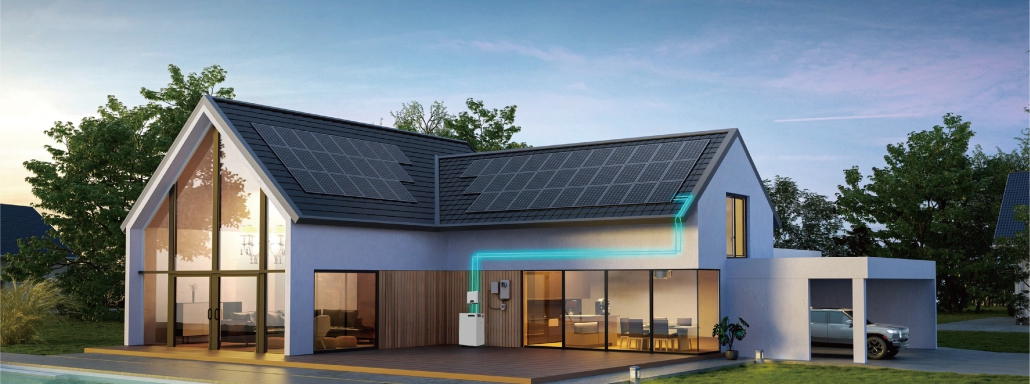
For many homeowners, this decision becomes clearer after understanding how generation, storage, and backup systems work together as an integrated solution.
Conclusion
Home energy solutions are worth it for some households and unnecessary for others. Their true value lies in how well they align with energy usage patterns, reliability needs, and long-term goals.
By focusing on practical considerations rather than technology hype, homeowners can make informed decisions that support both their lifestyle and energy future.